EMR Exam Prep
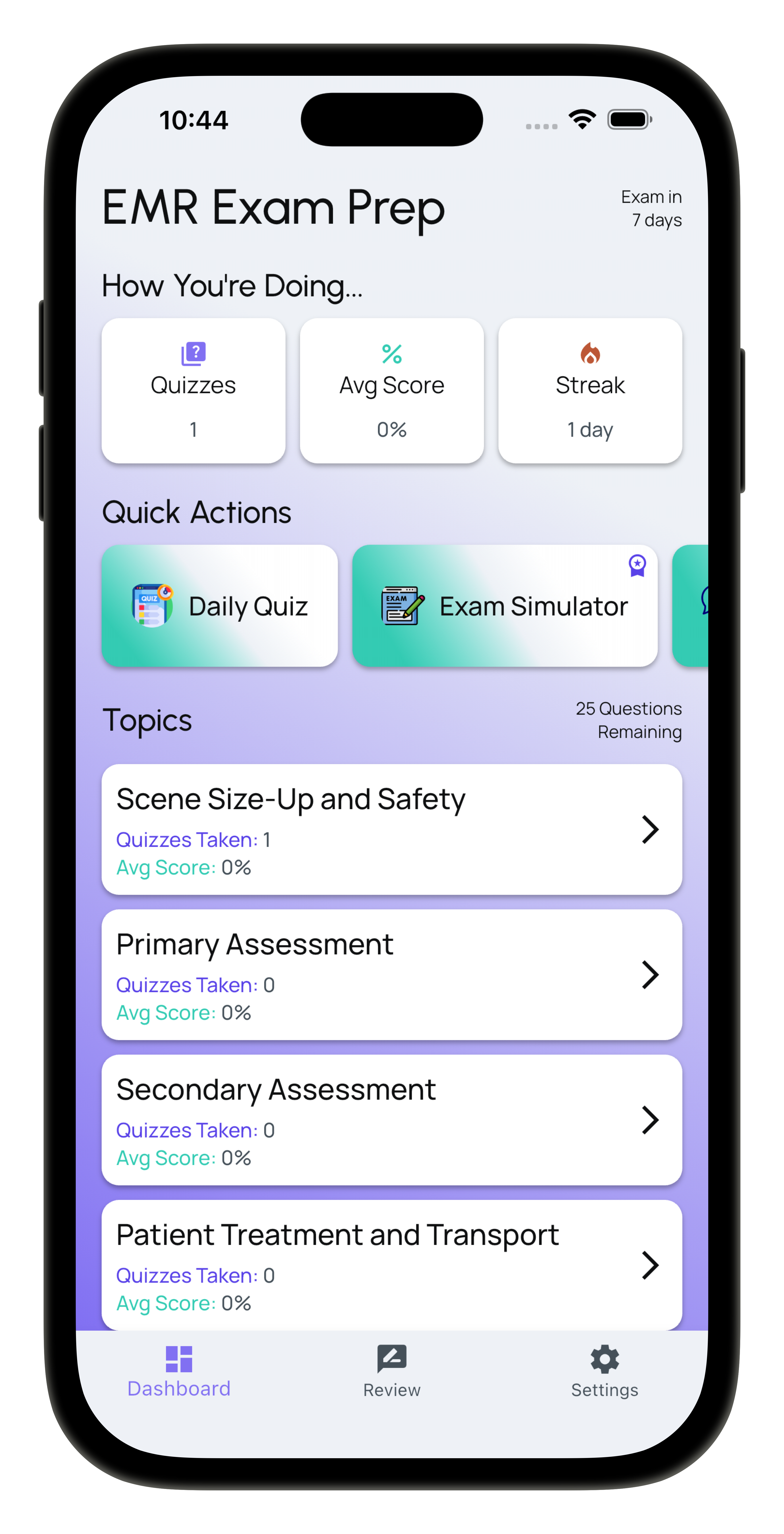
Embarking on a journey in emergency medical response can be both exhilarating and intimidating. As an aspiring Emergency Medical Responder (EMR), confidence is key to performing effectively in high-pressure situations. This blog post will guide you through essential emergency medical concepts and skills, practical study tips, real-world applications, career guidance, and safety considerations to help you build the confidence you need to succeed in your training and beyond.
Understanding Basic Emergency Medical Concepts and Skills
Before diving into the nuances of emergency medical response, it’s crucial to grasp the fundamental concepts and skills that will form the foundation of your training. Here are the essentials every EMR must know:
1. Basic Life Support (BLS)
BLS is a critical component of emergency medical response. It includes:
- CPR (Cardiopulmonary Resuscitation): Learn the techniques for performing chest compressions and rescue breaths. Remember: push hard and fast in the center of the chest at a rate of 100-120 compressions per minute.
- Use of AED (Automated External Defibrillator): Familiarize yourself with the AED’s operation. These devices are designed to deliver an electric shock to restore a normal heart rhythm in cases of sudden cardiac arrest.
2. First Aid Skills
First aid is about providing immediate care until professional help arrives. Key skills include:
- Wound care: Understand how to clean and dress wounds to prevent infection.
- Splinting: Learn how to stabilize fractured limbs.
- Managing shock: Recognize the signs of shock and the appropriate steps to take.
3. Patient Assessment
Developing strong assessment skills is vital. This involves:
- Scene safety: Always assess the environment for hazards before approaching a patient.
- Primary assessment: Quickly evaluate the patient’s airway, breathing, circulation, and responsiveness.
- Secondary assessment: Conduct a thorough examination to identify additional injuries or medical conditions.
Practical Training and Study Tips
Building confidence comes through practice and preparation. Here are actionable tips to enhance your training:
1. Engage in Hands-On Training
Participate actively in your training sessions. Practical drills and simulations will help reinforce your skills. Don’t hesitate to practice:
- CPR and AED use regularly on manikins.
- Wound care techniques on practice materials.
2. Utilize Study Resources
Leverage study materials and practice questions from EMR Exam Prep. These resources are designed to help you understand the concepts effectively and prepare you for the certification exam. Here are a few tips:
- Set a study schedule: Dedicate specific times each week to review material and take practice quizzes.
- Join study groups: Collaborate with fellow students to discuss challenging topics and quiz each other.
3. Simulate Real-World Scenarios
Create scenarios that mimic real-life emergencies. This can be done with a group of fellow trainees or even through role-playing exercises. For example:
- Take turns acting as the patient and the responder in various emergency situations, such as a cardiac arrest, trauma, or allergic reaction.
Real-World Application Examples
Understanding how to apply your skills in real-world scenarios will boost your confidence. Here are a few examples:
1. Responding to a Cardiac Arrest
Imagine you’re at a community event, and someone collapses. You quickly assess the scene for safety, check for responsiveness, and call for help. You start CPR, remembering the correct compression depth and rate. After a bystander brings an AED, you confidently attach it and follow the prompts. Your training kicks in, and you remain calm under pressure, knowing you’re making a difference.
2. Handling a Trauma Incident
Consider a car accident where you need to provide first aid. You check for hazards before approaching, then conduct a primary assessment. You find a patient with a bleeding leg. You apply direct pressure to the wound while maintaining communication with the patient to keep them calm. This scenario illustrates the importance of quick thinking and effective communication, both of which are skills you can develop through training.
Career Guidance for New EMRs
As you progress through your training, consider these career tips:
1. Volunteer Experience
Seek out volunteer opportunities with local EMS services or community first aid teams. This hands-on experience is invaluable for building confidence and skills.
2. Continuing Education
Emergency medicine is an ever-evolving field. After your initial certification, pursue additional training and certifications, such as Advanced First Aid, CPR Instructor, or specialized courses like Wilderness First Responder.
3. Networking
Connect with other EMS professionals through social media, forums, and local events. Learning from experienced responders can provide insights into the field and help you navigate your career path.
Safety Considerations and Best Practices
Safety should always be your top priority, both for yourself and your patients. Here are some essential practices:
- Personal Protective Equipment (PPE): Always use appropriate PPE, such as gloves and masks, to protect yourself and prevent cross-contamination.
- Scene Safety: Always assess the scene before providing care to avoid becoming a victim yourself.
- Communication: Communicate effectively with your team and the patient. Clear communication can prevent misunderstandings and enhance patient care.
Conclusion
Building confidence as an Emergency Medical Responder takes time, practice, and dedication. By mastering basic emergency medical concepts, engaging in hands-on training, and applying your skills in real-world scenarios, you’ll be well on your way to becoming a capable and confident responder. Remember, every EMR was once a beginner, just like you. Embrace the journey, make use of resources like EMR Exam Prep, and take pride in the life-saving skills you are developing. Your commitment to helping others is commendable, and each step you take brings you closer to making a difference in your community.
Starting your EMR certification journey? Try EMR Exam Prep for practice questions and study materials designed to help you succeed as an Emergency Medical Responder.