Promotion Ready
In today’s fast-paced military environment, strong writing skills are more essential than ever. Whether you’re preparing an award recommendation, drafting a counseling statement, or composing a memorandum, the ability to communicate effectively in writing can significantly impact your career. For soldiers aiming for promotion, mastering military writing is not just an advantage—it’s a necessity. This blog post will provide practical advice, actionable tips, and insights to help you develop your military writing skills, ensuring that you stand out in promotion boards and advance your military career.
Understanding the Importance of Military Writing
Military writing is a unique form of communication that demands clarity, precision, and adherence to established formats and regulations. Strong writing skills can enhance your credibility, showcase your professionalism, and demonstrate your ability to convey critical information succinctly.
Why Writing Matters for Promotion Boards
Promotion boards evaluate not only your technical abilities and leadership skills but also your communication competencies. Well-written documents can showcase your attention to detail, ability to follow regulations, and leadership potential. Consider this: a poorly constructed memorandum can reflect a lack of professionalism, while a well-crafted one can highlight your capability to handle responsibilities at higher ranks.
Practical Tips for Developing Strong Military Writing Skills
1. Familiarize Yourself with Military Writing Standards
The Army has specific guidelines for military writing that ensure consistency and clarity. Familiarize yourself with Army Regulation 25-50, “Preparing and Managing Correspondence.” Understanding these guidelines will help you format your documents appropriately and reduce errors. Here’s how you can start:
- Study Examples: Review examples of well-written documents available in the Army Publishing Directorate. Analyze what makes them effective.
- Practice Formats: Create templates for various documents you frequently use, such as awards and counseling statements, to ensure you adhere to the proper formats.
2. Focus on Clarity and Conciseness
Military writing values brevity and clarity. When writing, aim to be clear and to the point. Avoid jargon unless necessary, and eliminate unnecessary words. Here’s how to achieve this:
- Use the “Bottom Line Up Front” (BLUF): This technique helps you present your main point at the beginning of your writing. For example, if you are writing a recommendation for an award, start with the purpose of the memo before providing details.
- Revise Ruthlessly: After drafting your document, revisit it to cut out superfluous information. Aim for clarity without sacrificing necessary details.
3. Develop a Strong Command of Grammar and Punctuation
No matter how compelling your ideas are, poor grammar and punctuation can undermine your credibility. Make it a habit to proofread your documents and consider using resources to refine your skills:
- Utilize Grammar Tools: Software like Grammarly can help you catch errors and improve your writing style. However, always follow military standards for writing, as these tools may not fully adhere to them.
- Engage in Writing Workshops: Many units offer professional development opportunities. Participating in writing workshops can help you refine your skills and receive feedback from experienced writers.
Applying Military Writing Skills: Practical Scenarios
Scenario 1: Writing an Award Recommendation
Imagine you are tasked with writing an award recommendation for a fellow soldier. Here’s a step-by-step approach:
- Gather Information: Collect all relevant details, including achievements, statistics, and examples of leadership.
- Draft the Recommendation: Start with a compelling introduction, stating the award and the nominee’s qualifications. Use bullet points to highlight key achievements, ensuring each point is clear and concise.
- Revise and Seek Feedback: After drafting, seek feedback from peers or mentors. Their insights can help you improve clarity and impact.
Scenario 2: Counseling Statements
When writing a counseling statement, it’s crucial to be both direct and constructive. Here’s how to navigate this:
- Be Objective: Focus on behavior and performance, avoiding emotional language.
- Use the A-B-C Method: Describe the Action taken, the Behavior observed, and the Consequences of that behavior. This structured approach provides clarity and fosters understanding.
Leadership Insights on Writing
As a leader, your writing reflects your character and influences your soldiers. Here are some insights:
- Lead by Example: Show your soldiers the importance of effective communication by demonstrating it in your written documents.
- Encourage Feedback: Create an environment where soldiers feel comfortable sharing their writing. Provide constructive feedback to help them grow.
Career Development Strategies
Developing your military writing skills not only aids in promotion board success but also enhances your overall career trajectory. Here’s how:
- Network with Others: Share your writing with peers in different units or branches. This can expose you to diverse writing styles and techniques.
- Seek Mentorship: Connect with senior NCOs or officers who can provide guidance on effective writing and its importance in leadership roles.
How Promotion Ready Can Support Your Advancement
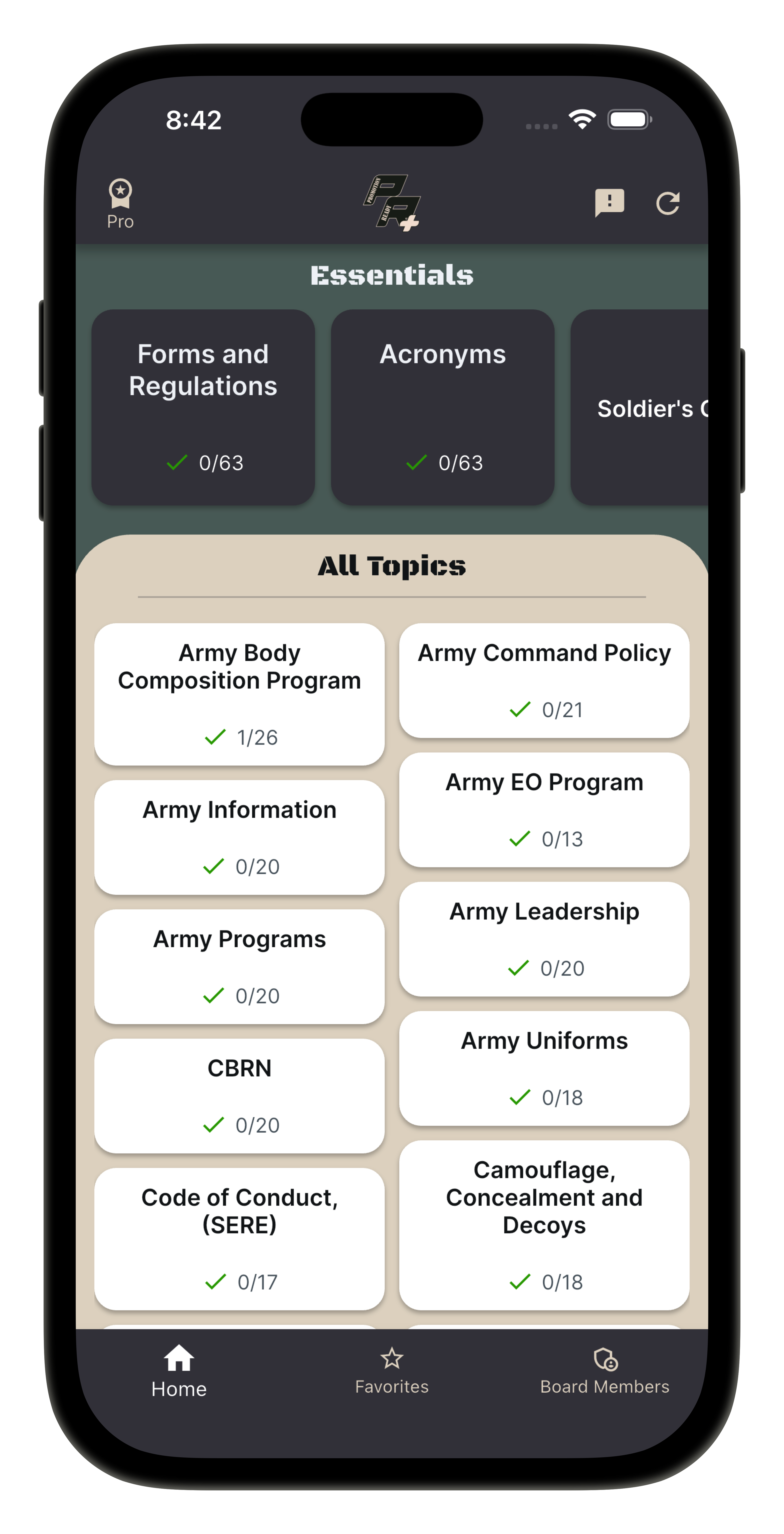
As you embark on your journey to improve your military writing skills, consider utilizing resources like Promotion Ready. Our app offers expertly crafted practice questions and board simulations that can help you prepare not only for writing tasks but also for the overall promotion board experience. By honing your writing skills with the help of our resources, you’ll be better equipped to present your accomplishments and readiness for promotion.
Conclusion: Take Action Today
Strong military writing skills are essential for career advancement and success in promotion boards. By familiarizing yourself with military writing standards, focusing on clarity and conciseness, and applying these skills in practical scenarios, you can enhance your communication capabilities. Invest in your professional development by participating in workshops, seeking mentorship, and utilizing resources like Promotion Ready to ensure you are well-prepared for your next career milestone.
Clear Takeaways:
- Familiarize yourself with Army writing regulations.
- Practice clarity and conciseness in all written communications.
- Seek feedback from peers and leaders to improve your writing.
- Utilize resources like Promotion Ready for comprehensive support in your career advancement.
By taking these steps, you will not only improve your writing skills but also position yourself for success in the competitive landscape of Army promotions. Start writing your way to success today!
Ready to excel in your next promotion board? Promotion Ready provides hundreds of expert-crafted practice questions, realistic board simulations, and comprehensive study guides designed specifically for Army personnel advancing their careers.