EMT Exam Prep 2025
In the high-stakes world of emergency medical services (EMS), effective communication is not just a skill; it’s a lifeline. As EMT candidates and emergency responders, you are regularly faced with dynamic and often chaotic situations that require rapid decision-making and clear information exchange. Understanding how to communicate effectively can greatly impact patient outcomes, team dynamics, and overall scene management. In this blog post, we will explore the essential communication skills necessary for successful EMS practice, supported by practical tips and strategies to enhance your abilities as you prepare for your EMT certification.
The Importance of Communication in EMS
Communication in EMS goes beyond simple conversation; it encompasses everything from verbal exchanges with patients and family members to non-verbal cues with colleagues. Efficient communication can lead to better patient assessments, smoother operations during emergencies, and improved teamwork among first responders. According to the National Registry of Emergency Medical Technicians (NREMT), proficient communication is integral to the roles and responsibilities outlined in the EMT curriculum.
Key Communication Skills for EMTs
1. Active Listening
Active listening is crucial for gathering information and understanding patient needs. This involves not only hearing the words spoken but also interpreting the context, emotions, and non-verbal signals.
- Practical Tips:
- Maintain eye contact to show engagement.
- Use verbal nods like “I see” or “Go on” to encourage the speaker.
- Avoid interrupting; let the patient finish their thoughts before responding.
- Paraphrase or summarize what you’ve heard to confirm understanding.
2. Clear and Concise Messaging
In emergency situations, time is of the essence, and clear communication can prevent misunderstandings. Whether you are giving a report to an incoming unit or instructing a bystander, clarity is vital.
- Practical Tips:
- Use simple language and avoid jargon unless you are certain your audience understands it.
- Be direct and to the point; prioritize essential information.
- Use the SBAR technique (Situation, Background, Assessment, Recommendation) for structured communication during handoffs.
3. Non-Verbal Communication
Your body language, facial expressions, and even tone of voice can significantly influence how your message is received. Non-verbal cues often convey more than words alone.
- Practical Tips:
- Be aware of your own body language; maintain an open posture to appear approachable.
- Observe the non-verbal cues of patients and colleagues. For instance, a patient’s anxious demeanor may indicate pain or distress.
- Use appropriate tone and volume; a calm, steady voice can help reassure patients in crisis.
4. Empathy and Emotional Intelligence
Empathy is the ability to understand and share the feelings of others. As an EMT, showing empathy can foster trust and improve patient cooperation.
- Practical Tips:
- Acknowledge the patient’s feelings and fears. Simple statements like “I understand this is difficult for you” can go a long way.
- Practice emotional regulation; remain calm and composed, especially in high-pressure situations.
- Reflect on your own emotional responses to enhance your emotional intelligence.
Building Communication Skills: Study Strategies and Practice
As you prepare for your EMT certification, consider incorporating these study strategies to enhance your communication skills:
-
Role-Playing Exercises: Engage in role-playing scenarios with classmates to practice communication in various emergency situations. This can help you become more comfortable and confident in your verbal exchanges.
-
Simulation Training: Participate in simulation training sessions. These controlled environments allow you to practice both technical skills and communication under pressure.
-
Feedback and Reflection: Seek feedback from instructors or peers on your communication style. Reflect on your interactions to identify areas for improvement.
-
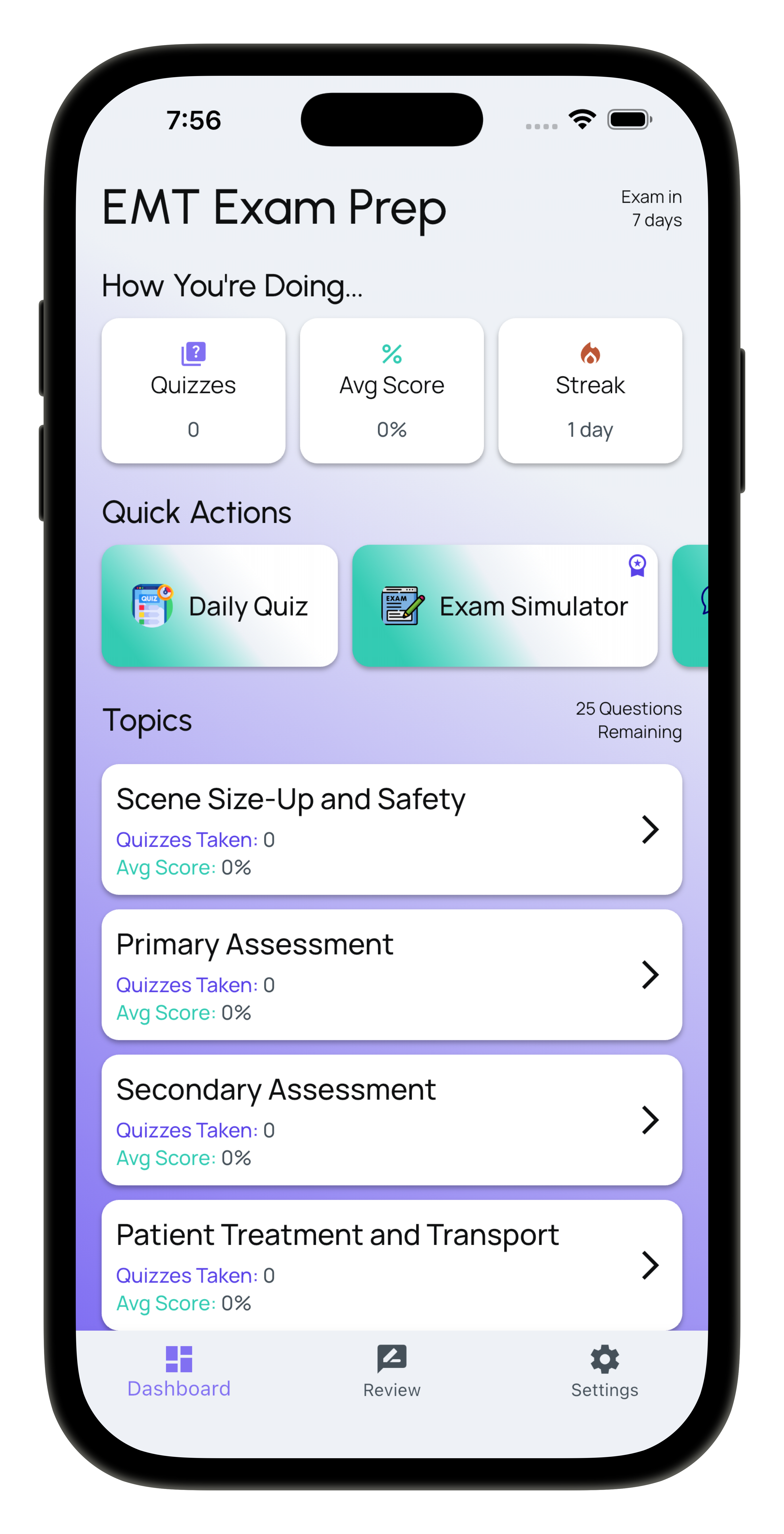
Dedicated Study Resources: Use the EMT Exam Prep mobile app, which includes practice questions and scenarios related to communication. This will not only help you grasp essential concepts but also familiarize you with NREMT standards.
Conclusion: Communication as a Cornerstone of EMT Success
Mastering communication skills is a fundamental component of being an effective emergency medical professional. As you prepare for your EMT certification, prioritize the development of these skills through practice, reflection, and ongoing education. Remember that every interaction is an opportunity to make a difference in the lives of patients and colleagues alike. By honing your communication abilities, you will not only enhance your chances of success on the NREMT exam but also become a more competent and compassionate EMT. Leverage resources like the EMT Exam Prep app to support your journey, and approach each day with the intention to communicate effectively and empathetically.
Ready to become a certified EMT? Try EMT Exam Prep 2025 for comprehensive NREMT-style practice questions with detailed explanations covering all essential certification content areas.