EMR Exam Prep
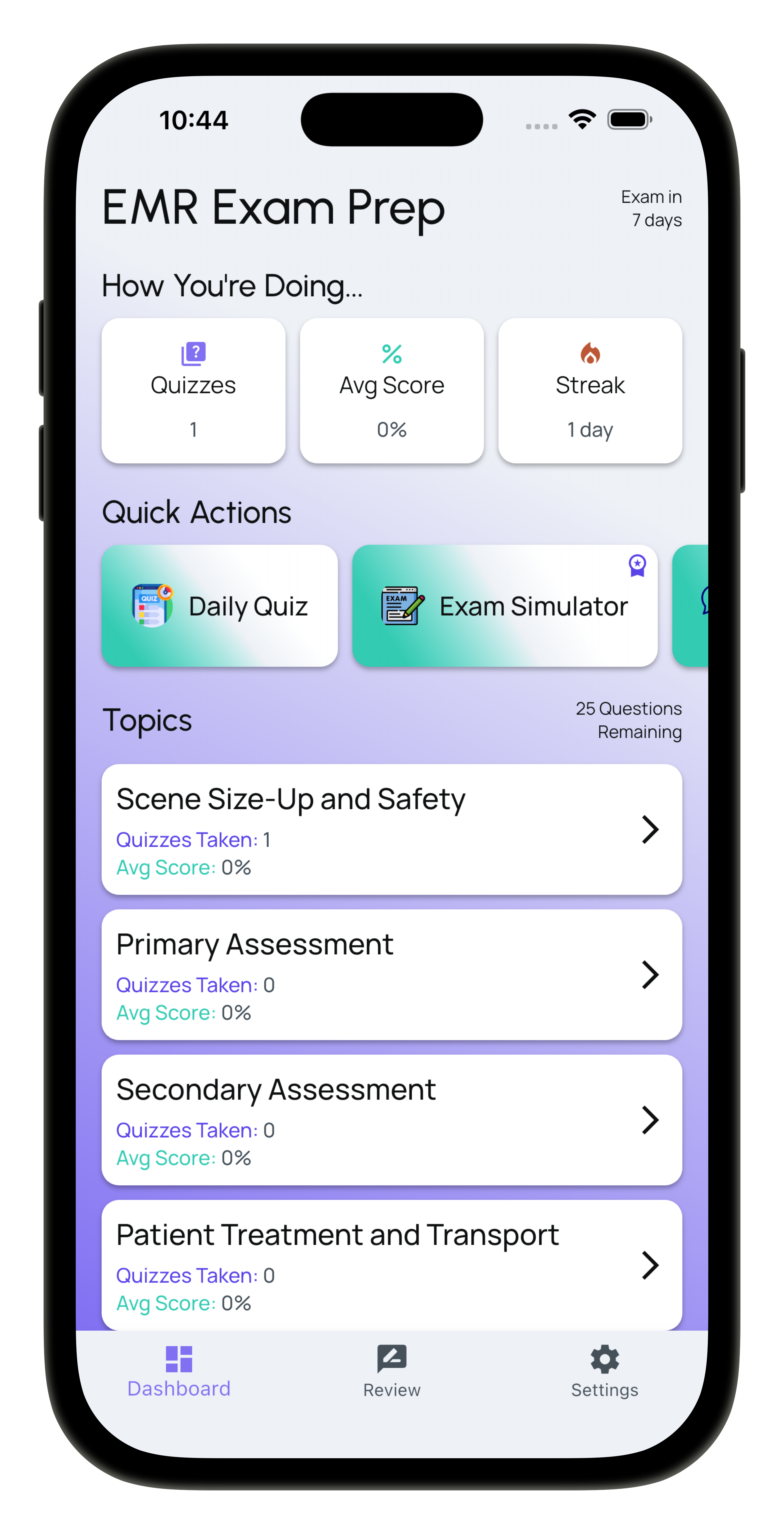
Embarking on a journey to become an Emergency Medical Responder (EMR) is both exciting and rewarding. As an aspiring EMR, you will gain essential skills that can make a difference in emergency situations. This blog post will guide you through the certification requirements, basic emergency medical concepts, practical training tips, real-world applications, and career pathways to help you succeed in your training.
Understanding EMR Certification Requirements
Before diving into your training, it’s crucial to understand the certification requirements in your region. While these can vary, most programs typically include the following components:
-
Age Requirement: Most EMR programs require participants to be at least 18 years old, although some may allow younger candidates with parental consent.
-
Basic Education: A high school diploma or GED is often required. Basic literacy and comprehension skills are essential for understanding medical terminology and protocols.
-
Training Course: Completing a state-approved EMR training course is necessary. These courses usually cover topics like medical emergencies, trauma care, patient assessment, and CPR.
-
Certification Exam: After completing the training course, candidates must pass a certification exam that tests their knowledge and skills.
-
Background Check: Many states require a criminal background check, as EMRs will be working closely with patients in emergency situations.
-
Continuing Education: Once certified, EMRs may need to complete continuing education units (CEUs) to maintain their certification and stay updated on best practices.
Basic Emergency Medical Concepts and Skills
As an EMR, you will be trained to assess and manage a variety of emergency situations. Here are some fundamental concepts and skills that you will learn:
1. Patient Assessment
Understanding how to perform a thorough patient assessment is critical. This includes checking the patient’s responsiveness, airway, breathing, and circulation (ABCs).
2. Basic Life Support (BLS)
BLS skills such as CPR and the use of an Automated External Defibrillator (AED) are essential for EMRs. Knowing when and how to initiate these life-saving techniques can be the difference between life and death.
3. First Aid Skills
You will learn various first aid skills, including wound care, splinting fractures, managing bleeding, and recognizing shock. Being able to provide immediate care is a vital part of your role as an EMR.
4. Communication Skills
Effective communication with patients, bystanders, and emergency services is crucial. You will need to relay information clearly and calmly, ensuring a smooth transition of care.
Practical Training and Study Tips
Here are some actionable tips to help you succeed in your training and certification process:
1. Utilize Study Resources
Make use of apps and study materials specifically designed for EMR certification, such as EMR Exam Prep. These resources provide practice questions and comprehensive study guides to reinforce your knowledge.
2. Engage in Hands-On Practice
Participate in hands-on training sessions and simulations. Practicing skills like CPR and patient assessment in a controlled environment will build your confidence and competence.
3. Form Study Groups
Collaborate with fellow students to form study groups. Sharing knowledge and quizzing each other on key concepts can enhance your understanding and retention of material.
4. Take Practice Exams
Use practice exams to familiarize yourself with the format and types of questions you will face on the certification test. This will also help identify areas where you may need additional study.
Real-World Application Examples
Understanding how to apply your training in real-world scenarios is essential for EMRs. Here are a few examples:
Scenario 1: Cardiac Arrest
Imagine you arrive at a scene where someone is unresponsive. You quickly assess the patient’s ABCs and determine they are not breathing. You initiate CPR immediately and instruct a bystander to call 911 and retrieve an AED. Your quick actions can significantly improve the patient’s chance of survival.
Scenario 2: Traumatic Injury
In a situation where a person has fallen and sustained a visible fracture, your training in first aid comes into play. You assess the injury, provide necessary first aid, and stabilize the patient while waiting for emergency services to arrive.
Career Guidance for New EMRs
Once you have achieved your EMR certification, various career pathways are available:
-
Volunteer Opportunities: Many rural EMS services and community organizations are seeking volunteer EMRs. This is a great way to gain experience while serving your community.
-
Entry-Level Positions: Some hospitals and clinics hire EMRs for support roles, allowing you to gain valuable experience in a healthcare setting.
-
Advanced Training: Consider furthering your education and skills by pursuing advanced certifications, such as Emergency Medical Technician (EMT) or Paramedic, which can open more career opportunities.
-
Specialized Roles: With experience, EMRs can specialize in areas such as wilderness medicine, disaster response, or community health education, expanding your impact within the field.
Safety Considerations and Best Practices
As you embark on your EMR journey, always prioritize safety. Here are some best practices to follow:
-
Scene Safety: Before approaching any scene, ensure it is safe for you and your team. Look for hazards that could pose a risk.
-
Personal Protective Equipment (PPE): Always wear appropriate PPE, such as gloves and masks, to protect yourself and your patients from potential infections.
-
Follow Protocols: Adhere to established protocols and guidelines. This ensures that you provide care in a consistent and effective manner.
-
Stay Calm Under Pressure: Developing the ability to remain calm in high-stress situations is crucial. Practice mindfulness techniques to help manage anxiety during emergencies.
Conclusion
Becoming an Emergency Medical Responder is a fulfilling path that enables you to make a significant impact in the lives of others. By understanding certification requirements, mastering basic concepts and skills, and applying your knowledge in real-world scenarios, you can set yourself up for success. Remember, resources like EMR Exam Prep are here to support you through your training journey. Embrace the challenge, and know that every step you take brings you closer to being a vital part of your community’s emergency response team. Good luck, and stay safe!
Starting your EMR certification journey? Try EMR Exam Prep for practice questions and study materials designed to help you succeed as an Emergency Medical Responder.