Am I Good? - Simple Budgeting
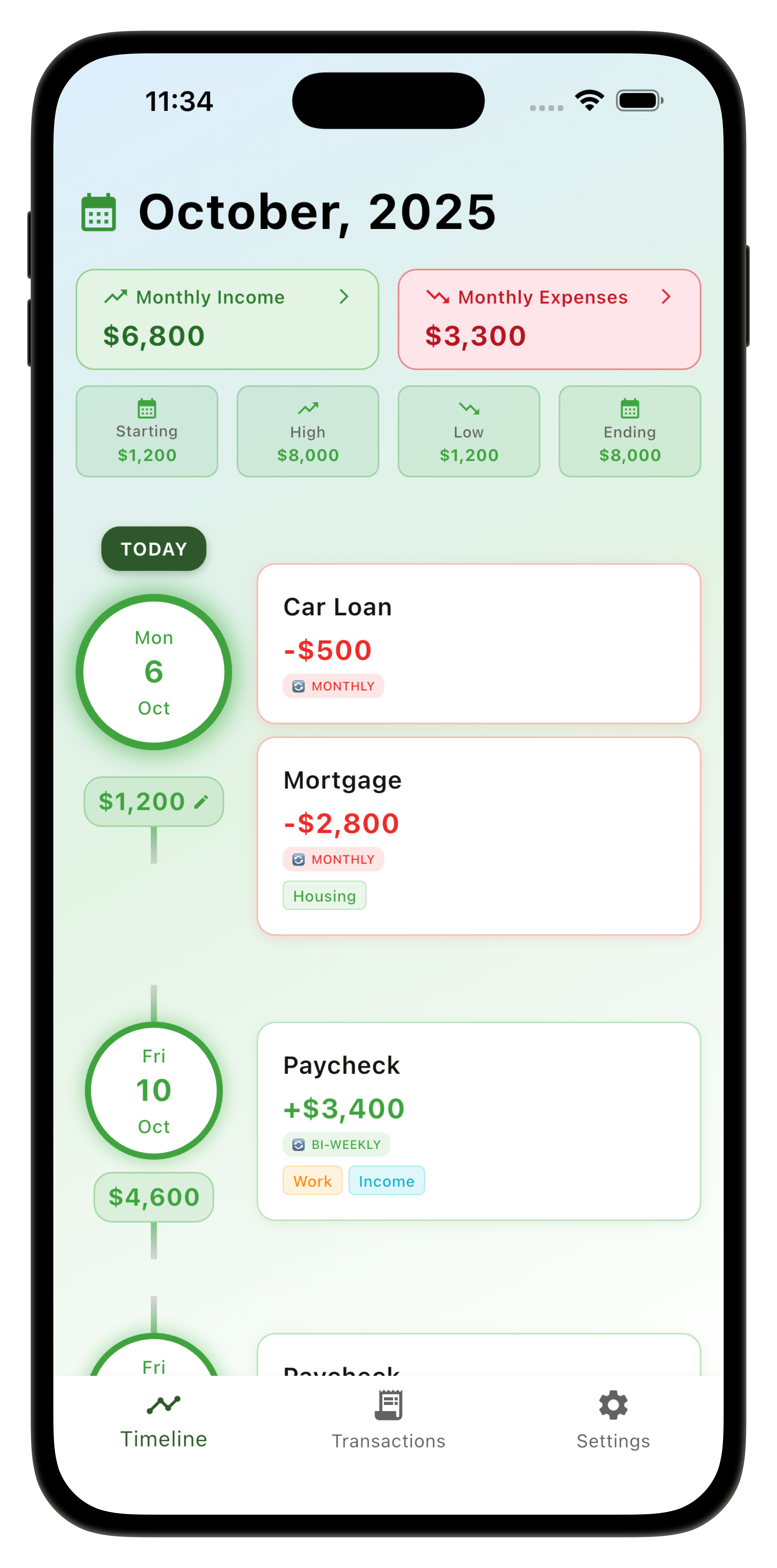
Military life comes with unique challenges, especially when it comes to managing finances while frequently relocating. The good news is that budgeting doesn’t have to be overwhelming. By embracing simplicity and focusing on privacy, you can create a financial plan that works for you, no matter where you are stationed. In this post, we’ll share practical strategies for budgeting that fit your lifestyle, maintain your financial privacy, and reduce the stress that often comes with managing money.
Practical Financial Strategies for Military Families
1. Create a Portable Budget
When you move frequently, a portable budget is essential. Start by outlining your monthly income and fixed expenses, like rent, utilities, and groceries. Use a simple app like Am I Good that requires no accounts or data sharing, allowing you to track income and expenses without the overhead of complex software.
Tip: Keep a digital or physical copy of your budget that you can easily access during a move. This way, you can adapt it to your new location without starting from scratch.
2. Embrace the Envelope System
The envelope system is a straightforward budgeting technique that involves allocating cash for different spending categories. While digital tracking is great, having cash on hand can help you stick to your budget, especially during those initial weeks in a new place.
How it works:
- Divide your cash into envelopes labeled for specific expenses (e.g., groceries, gas, entertainment).
- Once an envelope is empty, you can’t spend any more in that category until the next month.
This method not only simplifies budgeting but also provides a tactile way to manage your funds, helping to maintain financial privacy since you’re not relying on digital transactions that could be tracked.
3. Build a Flexible Emergency Fund
Frequent relocations can come with unexpected costs, so having a flexible emergency fund is crucial. Aim to save at least three to six months’ worth of expenses and keep this fund in a separate savings account that you don’t touch unless absolutely necessary.
Tip: Automate your savings by setting up a monthly transfer to your emergency fund. This creates a habit without requiring constant thought or effort on your part.
Maintaining Financial Privacy
1. Use Secure Tools
When managing finances, privacy is paramount. Choose budgeting tools that do not require personal information or account linking, like Am I Good. This ensures your financial data remains confidential and secure.
2. Limit Sharing of Financial Information
Be mindful about whom you share your financial situation with, especially in new communities. While it’s great to make friends, keeping your financial details private can safeguard against unwanted advice or pressure to spend.
Tip: If you do need to discuss finances with a trusted friend or advisor, focus on general strategies rather than specific numbers. This helps maintain your privacy while still allowing you to seek guidance.
Simple Budgeting Techniques and Mindset Shifts
1. Shift Your Mindset to Simplicity
Budgeting doesn’t have to be complicated. Embrace a mindset that prioritizes simplicity. Instead of focusing on every single expense, concentrate on major spending categories. This reduces overwhelm and keeps your budgeting process manageable.
Example: Instead of tracking every coffee purchase, focus on your monthly spending on dining out and create a limit that works for you.
2. Set Realistic Goals
Setting achievable financial goals is essential for maintaining motivation. Instead of lofty ambitions, set small, attainable targets like saving an extra $50 a month or reducing your grocery bill by 10%. Celebrate these small wins to keep your spirits high.
Tip: Use a visual tracker, like a chart or a simple spreadsheet, to see your progress. This can make your goals feel more tangible and rewarding.
Stress-Reduction Approaches to Money Management
1. Establish a Monthly Check-In
Set aside time each month to review your budget and expenses. This consistent practice allows you to assess your financial health without the stress of last-minute scrambles. You can adjust your budget based on any changes you experience due to relocation.
Tip: Make this check-in a family affair. Involve your spouse and kids in discussions about finances to reinforce the importance of budgeting and create a team atmosphere.
2. Practice Mindful Spending
In the hustle of military life, it’s easy to let spending get out of hand. Practice mindful spending by asking yourself a few simple questions before making a purchase:
- Do I really need this?
- How will it affect my budget?
- Can I wait 24 hours before deciding?
This simple practice can significantly reduce impulse spending and help you stay aligned with your financial goals.
Real-World Example
Consider a military family that has just relocated to a new base. They are keen on sticking to their budget while also exploring their new surroundings. They decide to use the envelope system for dining out, allocating a set amount each month. When the envelope is empty, they opt for home-cooked meals and family game nights instead.
By keeping their entertainment budget separate and simple, they not only save money but also strengthen family bonds through shared experiences. Plus, they maintain financial privacy by not relying on apps that track their every move.
Conclusion
Budgeting for military families and frequent relocations doesn’t have to feel daunting. By implementing practical strategies, embracing simplicity, and prioritizing financial privacy, you can create a budget that works for your unique situation. Remember, the goal is to foster sustainable financial habits that empower you and your family. With tools like Am I Good, you can easily manage your finances without sacrificing your privacy, making money management accessible and stress-free. So take a deep breath, embrace these strategies, and feel confident in your financial future, no matter where your next adventure leads you.
Ready for simple, private budgeting? Try Am I Good? and track your income and expenses effortlessly—no accounts, no data sharing, just straightforward financial awareness.