EMT Exam Prep 2025
In the high-stakes world of emergency medical services (EMS), effective communication is not just a soft skill; it is an essential component of patient care and team dynamics. As an EMT candidate or emergency responder, the ability to convey information clearly and efficiently can significantly impact patient outcomes, teamwork, and the overall effectiveness of emergency response. This blog post delves into the critical communication skills needed in the EMS field, offering practical tips and strategies to help you excel as an EMT and succeed in your NREMT certification.
The Importance of Communication in EMS
Communication serves multiple purposes in emergency medical situations:
- Patient Assessment: Clear communication allows EMTs to gather vital information quickly from patients or bystanders, aiding in accurate assessments and timely interventions.
- Team Coordination: Effective communication among team members ensures that everyone is on the same page, which is vital during high-pressure scenarios where every second counts.
- Public Interaction: EMTs often find themselves interacting with the public, law enforcement, and other healthcare professionals, making clear communication essential for collaboration and patient advocacy.
Key Communication Skills for EMTs
1. Active Listening
Active listening is the cornerstone of effective communication. It involves not just hearing words but understanding the underlying message. Here are some strategies to enhance your active listening skills:
- Maintain Eye Contact: This shows the speaker that you are engaged and encourages open communication.
- Paraphrase: Repeat back what you’ve heard to confirm understanding. For example, if a patient reports chest pain, you might say, “So you’re experiencing sharp pain in your chest that started about 20 minutes ago?”
- Ask Open-Ended Questions: Encourage more detailed responses from patients. Instead of asking, “Are you in pain?” you might ask, “Can you describe the pain you’re feeling?”
2. Clear and Concise Communication
In emergency situations, time is of the essence. Being clear and concise helps ensure that critical information is conveyed quickly. Here are some tips for achieving clarity in your communication:
- Use Simple Language: Avoid medical jargon when speaking with patients or bystanders. Use terms that are easy to understand.
- Be Direct: State your needs clearly. For example, instead of saying, “Can you help me with this?” say, “I need you to call 911.”
- Prioritize Information: Present the most critical information first, especially when communicating with other healthcare providers or dispatch.
3. Non-Verbal Communication
Non-verbal cues can significantly impact how your message is received. Pay attention to:
- Body Language: Your posture, gestures, and facial expressions can convey confidence and empathy or, conversely, discomfort and disinterest. Stand tall, use open gestures, and maintain a calm facial expression.
- Tone of Voice: The tone can convey urgency, reassurance, or authority. Practice modulating your tone to fit the situation—calm and soothing when comforting a patient, assertive when directing a team.
- Proximity: Maintain an appropriate distance from patients and bystanders. Too close may feel invasive, while too far can create a barrier.
Building Communication Skills Through Practice
Role-Playing Scenarios
To enhance your communication skills, engage in role-playing exercises with fellow EMT students. Simulating scenarios—such as patient interactions, team briefings, or inter-agency communications—can help you practice and refine your skills in a safe environment.
Utilize Technology
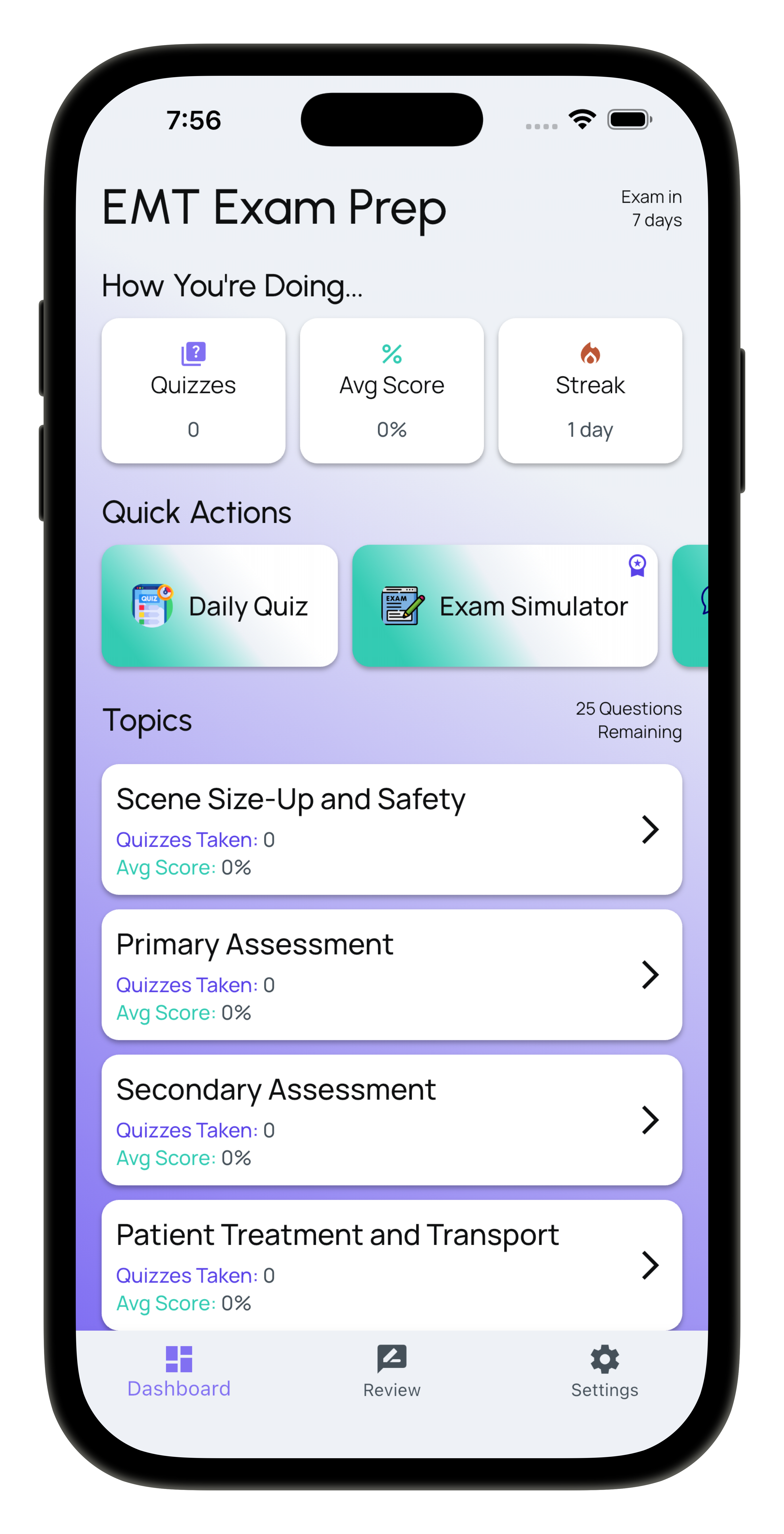
Leverage the EMT Exam Prep mobile app, which offers practice questions and simulations tailored to NREMT standards. By engaging with realistic scenarios, you can practice your communication skills in conjunction with clinical knowledge, preparing you for both your exam and real-world situations.
Seek Feedback
After practicing your communication skills, seek constructive feedback from peers or instructors. Understanding your strengths and areas for improvement can guide your development.
Practical Takeaways for Success
- Practice Active Listening: Engage with peers and patients, reflecting on their words to enhance your understanding.
- Simplify Your Language: Always aim for clarity, especially during high-pressure situations.
- Be Aware of Non-Verbal Signals: Both yours and others’—they can greatly influence interactions.
- Engage in Role-Playing: Create realistic scenarios to practice communication skills with colleagues.
- Utilize EMT Exam Prep Resources: Make the most of the app to prepare for both the exam and your future career.
Conclusion
As you prepare for your NREMT certification and embark on your career as an EMT, prioritize the development of your communication skills. These skills are not just vital for passing the exam; they are crucial for your effectiveness as an emergency medical professional. By mastering communication, you enhance your ability to advocate for patients, collaborate with your team, and ultimately improve patient outcomes. Remember, clear communication is a key component of patient safety and professional development. Embrace it as part of your journey in EMS, and you will be well on your way to success.
Ready to become a certified EMT? Try EMT Exam Prep 2025 for comprehensive NREMT-style practice questions with detailed explanations covering all essential certification content areas.