Am I Good? - Simple Budgeting
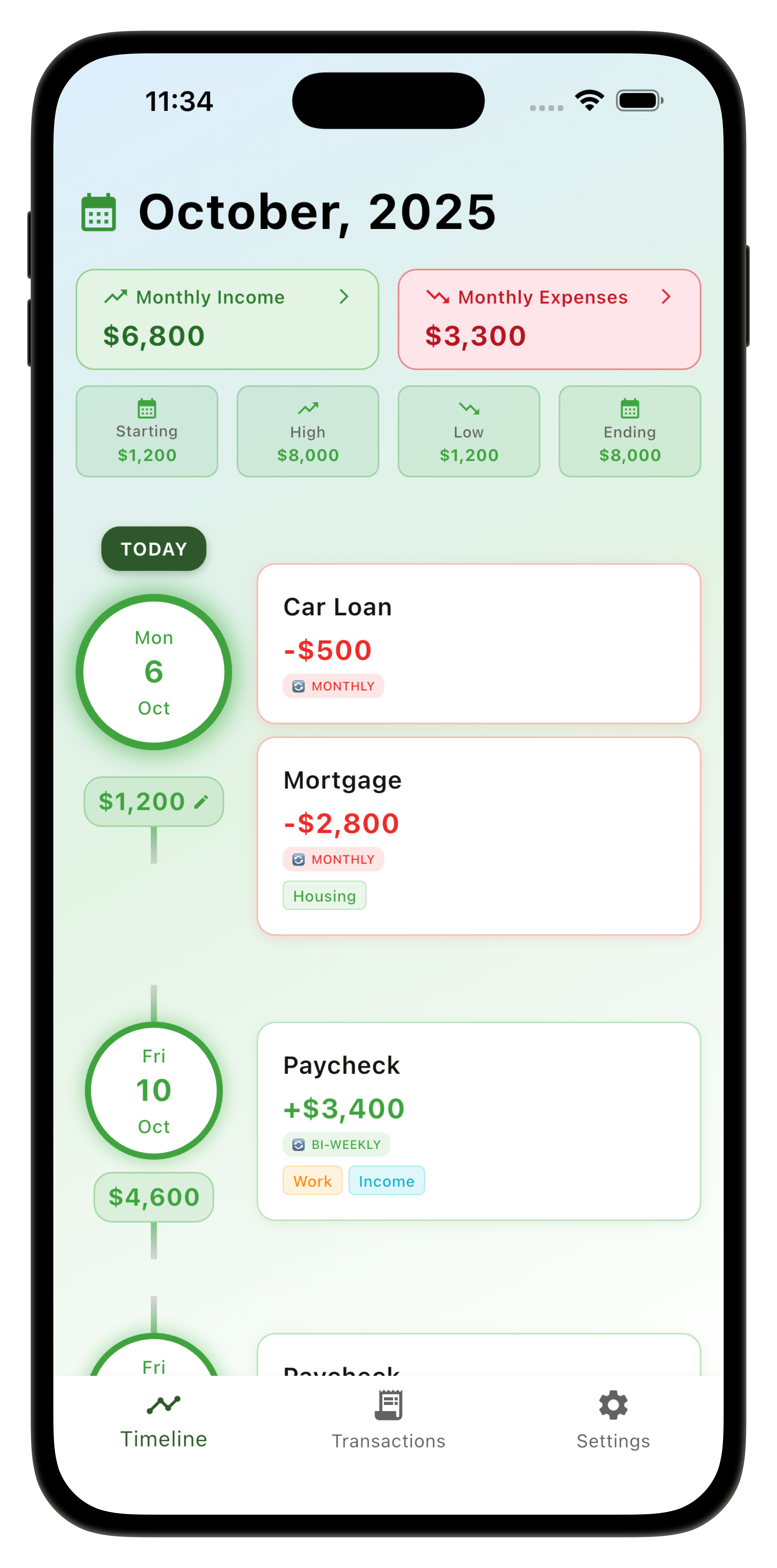
In today’s fast-paced world, managing your finances can feel overwhelming. With a myriad of budgeting apps, financial jargon, and complex strategies out there, it’s easy to lose sight of what truly matters: understanding your money and ensuring it aligns with your values. At Am I Good, we believe in the power of simplicity and privacy when it comes to financial management. This post will explore practical, easy-to-implement strategies for financial literacy, all while maintaining your privacy and peace of mind.
Practical Financial Strategies for Everyday Life
1. Track Your Income and Expenses Simply
The foundation of financial literacy is knowing where your money comes from and where it goes. You don’t need fancy software or spreadsheets to do this. Start by jotting down your income sources and tracking your expenses in a notebook or a simple app like Am I Good. Set aside a few minutes each week to review your spending. This will help you identify patterns and areas where you can cut back without feeling deprived.
Tip: Use a simple template: List your income at the top, followed by fixed expenses (rent, utilities) and variable expenses (groceries, entertainment). This visual can make it easier to see where your money is going.
2. Implement the 50/30/20 Rule
One of the simplest budgeting techniques is the 50/30/20 rule, which divides your after-tax income into three categories:
- 50% Needs: Essential expenses like housing, food, and utilities.
- 30% Wants: Discretionary spending like dining out and hobbies.
- 20% Savings: For future goals, retirement, or debt repayment.
This method is straightforward and provides a clear framework for budgeting without overwhelming complexity. Adjust the percentages based on your lifestyle, but keeping it simple helps make budgeting feel less daunting.
Tips for Maintaining Financial Privacy
1. Choose Privacy-Focused Tools
When it comes to managing your finances, privacy is paramount. Look for tools that do not require personal information or data sharing. Am I Good, for example, allows you to budget without creating an account or sharing sensitive data. This way, you can focus on your financial well-being without compromising your privacy.
2. Be Mindful of Public Wi-Fi
If you’re using online tools, avoid accessing financial information over public Wi-Fi networks. Instead, use a secure, private connection or wait until you’re on a trusted network. This simple step can protect your financial data from prying eyes.
Simple Budgeting Techniques and Mindset Shifts
1. Shift from Scarcity to Abundance
A common pitfall in financial management is the mindset of scarcity, where you focus on what you lack. Instead, try to adopt an abundance mindset by recognizing the resources you do have. Celebrate small victories, like saving a little extra this month or sticking to your budget. This shift can reduce stress and create a more positive relationship with money.
2. Use Cash for Discretionary Spending
Consider using cash for discretionary spending, like dining out or entertainment. Withdraw a set amount at the beginning of the week and once it’s gone, it’s gone. This technique not only helps you stick to your budget but also makes budgeting feel more tangible. Plus, it feels good to physically handle your money and see how it’s being spent.
Real-World Examples That Resonate
Imagine Sarah, a busy military spouse who has moved multiple times in the last few years. Managing her finances felt overwhelming with each new location. By using the Am I Good app, she could easily track her income and expenses without the added stress of complex financial software. Sarah found that using the 50/30/20 rule gave her clarity, helping her allocate funds for savings while still enjoying her new community.
Then there’s Mike, who struggled with impulse spending. After he shifted his mindset to abundance and started using cash for discretionary expenses, he found he was more mindful about his purchases. He began to enjoy the process of saving for things he truly valued, like family outings or vacations.
Stress-Reduction Approaches to Money Management
1. Set Aside “Financial Check-In” Time
Scheduling regular check-ins with your finances can help alleviate stress. Choose a specific time each week or month to review your budget, track your spending, and adjust as necessary. Making this a routine can lessen anxiety around money and create a sense of control.
2. Practice Gratitude for Your Financial Journey
Take a moment to acknowledge where you are financially and express gratitude for what you have. This practice not only fosters a positive mindset but can also motivate you to continue making progress. Whether it’s appreciating your job, your home, or your savings, gratitude can be a powerful tool in your financial wellness journey.
Conclusion: Embrace Simplicity and Privacy in Your Financial Journey
Financial literacy doesn’t have to be complicated or stressful. By adopting simple strategies and maintaining your privacy, you can cultivate a healthy relationship with your finances. Remember, the goal is not perfection but progress. Take small steps and celebrate your achievements along the way.
At Am I Good, we champion simple, privacy-focused budgeting that empowers you to take control of your finances without feeling overwhelmed. Start your journey to financial wellness today, and discover how easy it can be to manage your money with clarity and confidence.
Ready for simple, private budgeting? Try Am I Good? and track your income and expenses effortlessly—no accounts, no data sharing, just straightforward financial awareness.