EMT Exam Prep 2025
As an EMT candidate, mastering patient assessment is crucial to providing effective care in emergency situations. Patient assessment involves the systematic evaluation of a patient’s condition to determine the appropriate treatment and intervention. In this blog post, we will explore the components of patient assessment, the importance of a structured approach, and practical tips to enhance your assessment skills. By the end, you will have actionable insights that will not only aid in your studies but will also prepare you for real-world emergencies.
The Importance of Patient Assessment
In emergency medical services, the ability to quickly and accurately assess a patient can make the difference between life and death. A thorough patient assessment allows EMTs to identify life-threatening conditions, prioritize interventions, and communicate effectively with other healthcare professionals. Furthermore, understanding the assessment process is integral to passing the NREMT certification exam.
Components of Patient Assessment
Patient assessment can be broken down into several key components, often referred to as the “ABCDE” approach. This structured method helps EMTs systematically evaluate patients and ensures that critical elements are not overlooked.
- A - Airway
- Assess the airway to determine if it is clear or obstructed. Look for signs of respiratory distress, such as labored breathing or stridor.
- Ensure that the patient can talk; if they cannot, consider potential airway obstruction.
- Use appropriate techniques to secure the airway if necessary, such as the head-tilt-chin-lift or jaw-thrust maneuver.
- B - Breathing
- Evaluate the quality of the patient’s breathing. Observe for chest rise and fall, and listen for abnormal lung sounds such as wheezing or crackles.
- Assess the rate, depth, and effort of breathing. Use pulse oximetry to monitor oxygen saturation levels.
- Provide supplemental oxygen or assist ventilations if the patient is hypoxic or in respiratory distress.
- C - Circulation
- Check the patient’s pulse for rate, rhythm, and quality. Assess for any signs of shock, such as altered mental status, cool and clammy skin, or hypotension.
- Control any external bleeding by applying direct pressure, and elevate the affected limb if indicated.
- Consider using a cardiac monitor if available to assess the patient’s heart rhythm.
- D - Disability
- Perform a quick neurological assessment using the AVPU scale (Alert, Verbal, Pain, Unresponsive) to evaluate the patient’s level of consciousness.
- Check pupil size and reaction to light, and assess for any motor function deficits.
- Document findings and consider possible causes for altered mental status, such as hypoglycemia or intoxication.
- E - Exposure
- Expose the patient as necessary to identify any hidden injuries. Maintain the patient’s dignity and keep them warm to prevent hypothermia.
- Perform a thorough visual inspection of the body, checking for any signs of trauma, rashes, or other abnormalities.
Practical Tips for Effective Patient Assessment
-
Practice Scenarios: Engage in simulation training or mock scenarios to practice your assessment skills. This hands-on experience will help you apply theoretical knowledge in a controlled environment, preparing you for real-life situations.
-
Utilize Checklists: Create or use existing assessment checklists to ensure that you systematically cover all elements of the ABCDE approach. This is particularly useful during high-stress situations where it is easy to overlook critical components.
-
Communicate Effectively: Develop your communication skills to gather information from the patient, bystanders, or family members. Use open-ended questions to encourage the patient to share more details about their condition.
-
Stay Current: Regularly review NREMT guidelines and protocols, as well as any updates in emergency medicine practices. This will ensure that your knowledge remains relevant and aligned with certification standards.
Conclusion: Preparing for EMT Certification Success
Mastering patient assessment is a foundational skill for EMT candidates and emergency responders. By understanding and practicing the ABCDE approach, you can enhance your ability to provide effective care in emergencies. Remember, thorough patient assessment not only improves patient outcomes but also plays a crucial role in your success on the NREMT certification exam.
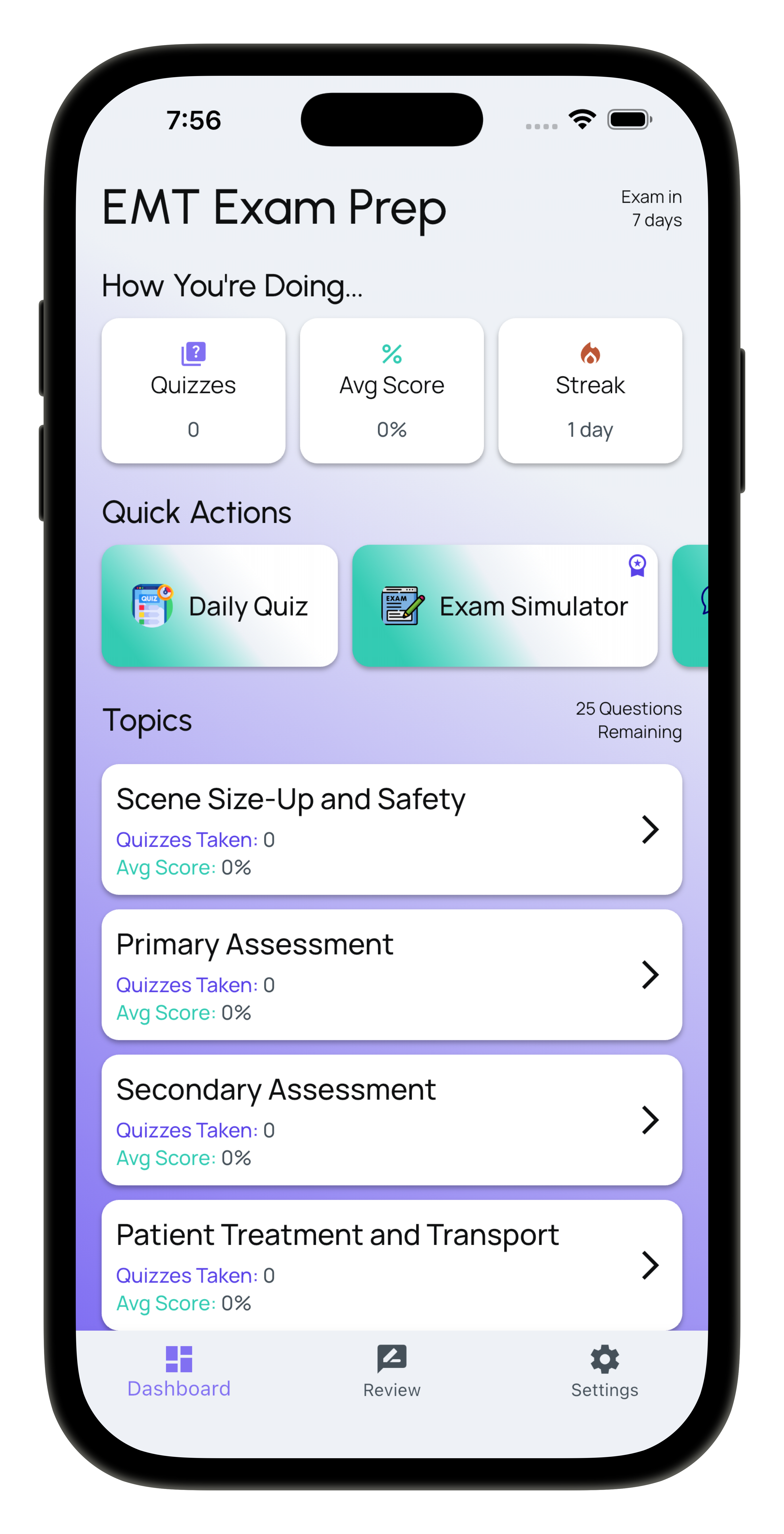
As you prepare for your EMT certification, consider utilizing the EMT Exam Prep mobile app to access NREMT-style practice questions and detailed explanations. This resource can help solidify your understanding of patient assessment and other essential EMT concepts, ultimately leading to a successful certification journey. Stay focused, practice regularly, and remember that every assessment is an opportunity to learn and improve your skills in emergency medical services.
Ready to become a certified EMT? Try EMT Exam Prep 2025 for comprehensive NREMT-style practice questions with detailed explanations covering all essential certification content areas.