Am I Good? - Simple Budgeting
Financial stress can feel like a heavy weight on your shoulders, but it doesn’t have to be that way. With simple strategies and a focus on privacy, you can take control of your finances without feeling overwhelmed. In this post, we’ll explore practical tips for managing your money, maintaining your privacy, and shifting your mindset towards a more relaxed relationship with your finances. Let’s dive in!
Embrace Simplicity: Practical Financial Strategies
-
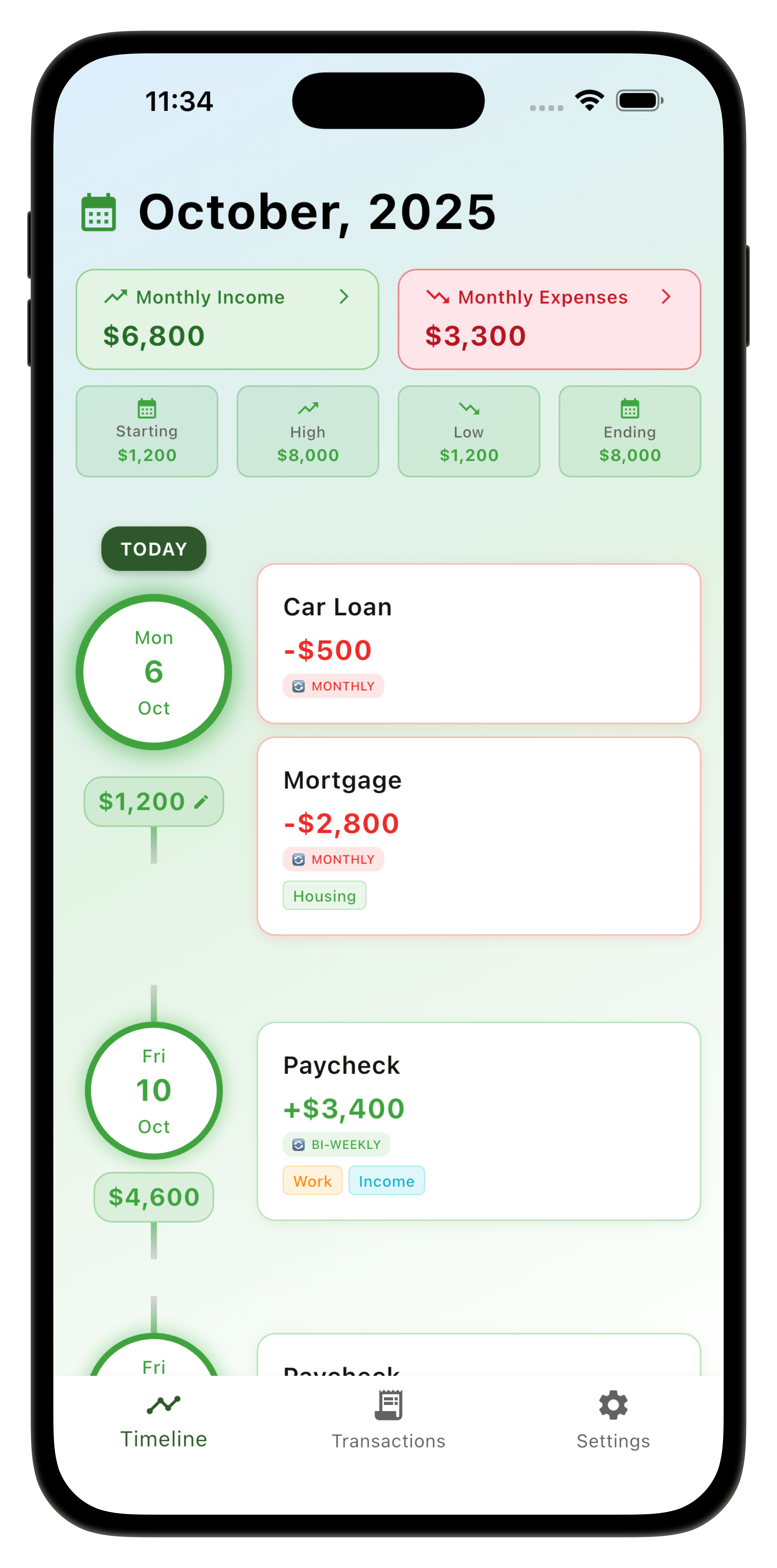
Start with a Clear Picture of Your Finances Begin your journey by taking stock of your income and expenses. Use a simple tool like the Am I Good app to manually track your income and expenses without the complexity of traditional budgeting software. This can be as easy as jotting down your earnings and spending in a notebook or on a simple spreadsheet. The goal here is clarity, not complexity.
- Create a Basic Budget
A budget doesn’t have to be elaborate. Start with a straightforward approach:
- List Your Income: Write down all sources of income, including your salary, side gigs, or any passive income.
- Categorize Your Expenses: Identify essential expenses (rent, utilities, groceries) and discretionary spending (dining out, entertainment).
- Allocate Your Money: Divide your income among these categories, prioritizing needs over wants. A simple 50/30/20 rule can work wonders—allocate 50% to needs, 30% to wants, and 20% to savings.
- Automate Savings Set up a separate savings account and automate transfers each month. You can start small—consider saving 10% of your income. Automating this process reduces the temptation to spend what you should be saving, making it easier to build your financial cushion without added stress.
Maintain Financial Privacy
In an age where data privacy is often compromised, it’s essential to keep your financial information secure. Here’s how:
-
Choose Tools Wisely When selecting financial tools, prioritize those that emphasize privacy. The Am I Good app doesn’t require accounts or data sharing, allowing you to maintain control over your financial information. Avoid apps that ask for unnecessary personal details.
-
Keep Records Private Store your financial documents in a secure place, whether digitally (using encrypted storage) or physically (in a locked drawer). Limit sharing your financial situation with others to only those you trust completely.
-
Use Cash for Discretionary Spending If you’re worried about tracking every penny, consider using cash for discretionary expenses. Not only does this help you stick to your budget, but it also minimizes the digital footprint of your spending habits.
Simple Budgeting Techniques and Mindset Shifts
-
Adopt a “No-Spend” Challenge Consider implementing a “no-spend” challenge for a week or a month. Focus on living off what you already have and see how it feels. This can highlight unnecessary spending habits and help you appreciate your current resources.
-
Practice Gratitude Shift your mindset by acknowledging what you have rather than focusing on what you lack. Keeping a gratitude journal can help you appreciate your financial situation, reducing stress related to money.
-
Set Realistic Goals Instead of aiming for unrealistic financial targets, set achievable goals. For instance, if you want to save for a vacation, break it down into small milestones—like saving a specific amount each month—rather than aiming for the total all at once.
Real-World Examples that Resonate
Imagine Sarah, a military spouse who frequently moves due to her partner’s service. She felt overwhelmed by budgeting apps that required extensive setup and data sharing. After discovering the Am I Good app, she started tracking her income and expenses simply and privately. By focusing on essential expenses and automating her savings, she felt a sense of control over her finances that she hadn’t experienced before.
Another example is Mike, who was struggling with credit card debt. He took the “no-spend” challenge for a month, only buying necessities. Not only did he save money, but he also realized how much he was spending on non-essentials. This challenge helped him shift his mindset toward mindful spending and led to a significant reduction in his debt.
Stress-Reduction Approaches to Money Management
-
Practice Mindfulness Incorporate mindfulness into your financial routine. Take a few minutes each week to reflect on your financial goals, your spending habits, and how you feel about your financial situation. This can help you stay grounded and reduce anxiety.
-
Celebrate Small Wins Every time you stick to your budget or reach a savings goal, celebrate! Treat yourself to a small reward, like a favorite snack or a relaxing activity. Acknowledging your progress can significantly boost your motivation.
-
Seek Support If financial stress becomes overwhelming, consider talking to a trusted friend or family member. You don’t have to navigate it alone. Sharing your experiences can provide new insights and reduce feelings of isolation.
Conclusion
Overcoming financial stress doesn’t have to be complicated. By embracing simplicity and maintaining privacy in your financial management, you can create a sustainable approach that works for you. Remember, even small changes can lead to significant improvements in your financial wellness. With the right mindset and straightforward strategies, you’ll be well on your way to a more relaxed relationship with your finances.
So take a deep breath, and let’s start this journey together—because managing your money can be as easy as you make it!
Ready for simple, private budgeting? Try Am I Good? and track your income and expenses effortlessly—no accounts, no data sharing, just straightforward financial awareness.