EMR Exam Prep
Embarking on the journey to become an Emergency Medical Responder (EMR) is both exciting and daunting. As you step into this critical role, the importance of confidence cannot be overstated. Confidence not only improves your performance but also enhances your ability to provide effective care in high-stress situations. In this blog post, we will explore basic emergency medical concepts, practical training tips, real-world applications, and career guidance to help you build your confidence as an EMR. Let’s get started!
Understanding Basic Emergency Medical Concepts and Skills
Before you can build confidence in emergency medical response, it’s essential to have a firm grasp on the basic concepts and skills required in the field. Here are some foundational areas to focus on:
1. Basic Life Support (BLS)
- CPR (Cardiopulmonary Resuscitation): Understanding the steps for adult, child, and infant CPR is crucial. Familiarize yourself with the compression-to-breath ratio and the importance of early defibrillation.
- Choking Relief: Learn the Heimlich maneuver and back blows for conscious choking victims. Knowing how to relieve choking can save lives.
2. First Aid Skills
- Wound Management: Know how to clean and dress wounds, apply pressure to control bleeding, and recognize signs of infection.
- Assessment Skills: Develop your ability to assess a patient’s condition quickly and accurately. This includes checking for responsiveness, airway patency, breathing, and circulation.
3. Understanding Medical Terminology
Familiarize yourself with common medical terms. This knowledge will not only enhance your communication with fellow responders but will also instill confidence as you describe a patient’s condition to healthcare professionals.
Practical Training and Study Tips
Building confidence requires practice and preparation. Here are some actionable tips to help you effectively study and train:
1. Utilize Simulation Training
- Engage in simulation exercises that mimic real-life emergency scenarios. This hands-on approach helps you apply theoretical knowledge and develop muscle memory, making you more comfortable when responding to actual emergencies.
2. Form Study Groups
- Collaborate with fellow EMR students to review materials and practice skills together. Teaching others what you have learned can reinforce your own knowledge and boost your confidence.
3. Use EMR Exam Prep Resources
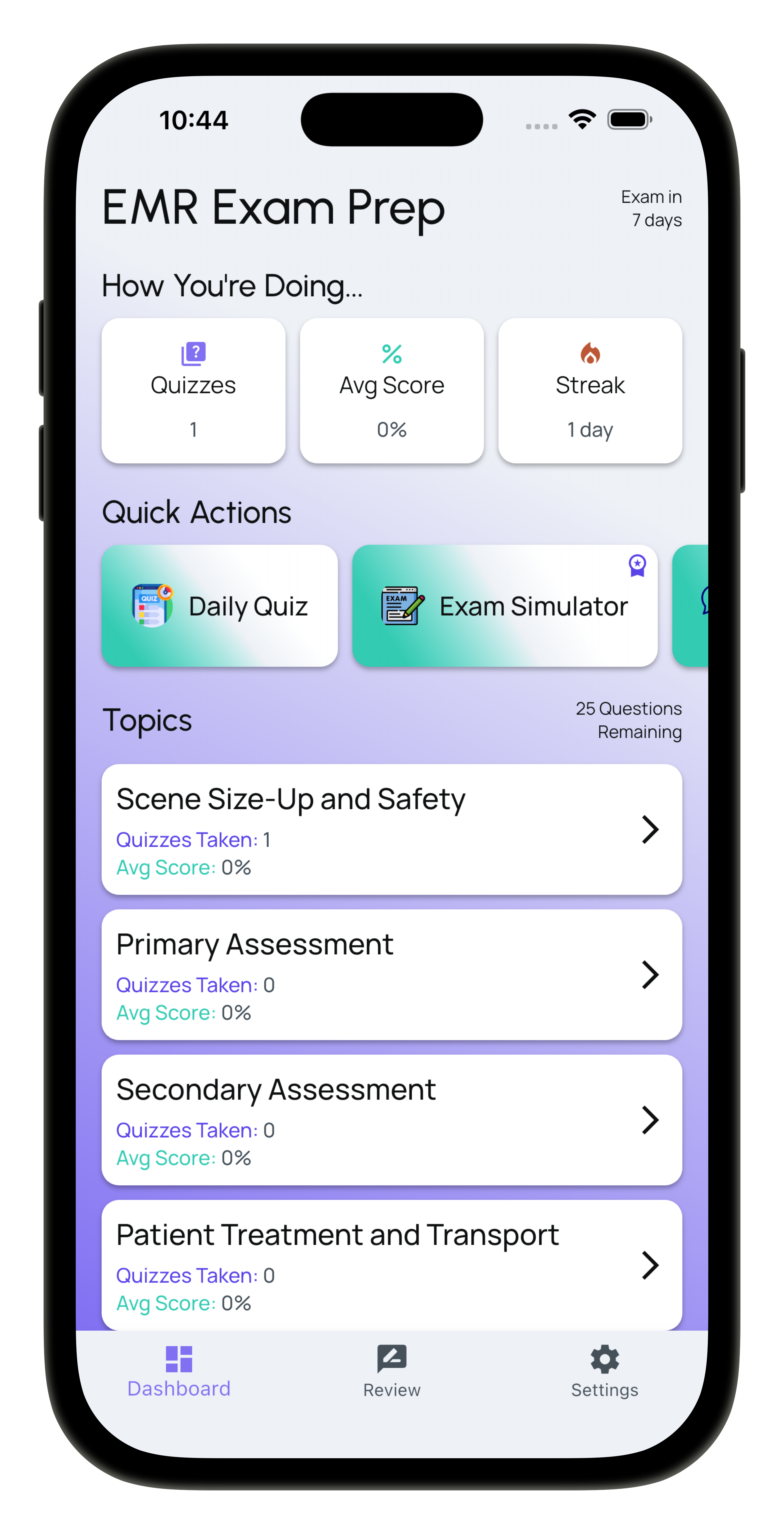
- Leverage the EMR Exam Prep app for practice questions and study materials tailored specifically for EMR certification. Regularly testing your knowledge can help identify areas that need more focus and build your test-taking confidence.
4. Establish a Routine
- Create a consistent study schedule that includes time for reviewing concepts, practicing skills, and self-assessment. Regular practice will deepen your understanding and reinforce your skills.
Real-World Application Examples
Understanding theoretical concepts is essential, but seeing them in action can make a significant difference in your confidence. Here are some real-world scenarios to consider:
1. Responding to a Cardiac Arrest
Imagine you arrive at the scene of a cardiac arrest. Your training kicks in: you assess the situation, call for help, and begin CPR. Each step you practiced in training becomes second nature. The more you visualize these scenarios, the more prepared you will feel in real-life situations.
2. Dealing with a Choking Child
Picture yourself at a family gathering when a child begins to choke. Your training on how to respond to choking enables you to remain calm and act quickly, providing the necessary relief. Your confidence in this situation stems from your preparation and knowledge.
Career Guidance for New EMRs
As you build your confidence, consider the opportunities available to you in the EMS field:
1. Volunteer Opportunities
- Many rural EMS services and community organizations welcome volunteers. Gaining experience through volunteering will not only help you develop skills but also build your confidence in a supportive environment.
2. Continued Education
- Pursue additional certifications, such as Advanced First Aid or CPR Instructor courses, to expand your knowledge and skill set. Continuous learning will enhance your confidence and prepare you for future challenges.
3. Networking
- Connect with experienced EMRs or mentors in your community. Learning from their experiences can provide valuable insights and encouragement as you navigate your EMS career.
Safety Considerations and Best Practices
Safety should always be your top priority. Here are key considerations to keep in mind:
1. Personal Safety
- Always assess the scene for potential hazards before entering. Your safety is paramount; you cannot help others if you become a victim.
2. Follow Protocols
- Adhere to established protocols and guidelines in your training. Familiarizing yourself with these procedures will enhance your confidence in your ability to respond effectively.
3. Communicate Clearly
- Clear communication with your team can prevent errors and enhance patient care. Practice using concise, accurate language when describing a patient’s condition or requesting assistance.
Conclusion: Embrace Your Journey
Building confidence as an Emergency Medical Responder takes time, practice, and dedication. By mastering basic skills, engaging in practical training, and applying your knowledge to real-world scenarios, you will grow more self-assured in your abilities. Remember, it’s perfectly normal to feel nervous at first—every experienced responder was once in your shoes. Leverage resources like EMR Exam Prep to support your study efforts, and don’t hesitate to seek guidance from mentors along the way. Embrace this journey; you are on the path to making a significant difference in the lives of others. Good luck!
Starting your EMR certification journey? Try EMR Exam Prep for practice questions and study materials designed to help you succeed as an Emergency Medical Responder.