EMT Exam Prep 2025
In the fast-paced world of emergency medical services, understanding pharmacology is crucial for EMT candidates. The ability to accurately administer medications and comprehend their effects can significantly impact patient outcomes. As you prepare for your EMT certification, mastering pharmacology will not only enhance your knowledge but also boost your confidence in the field. This blog post will explore essential pharmacology concepts that every EMT student should know, practical study strategies, and actionable insights to help you succeed in your certification exam.
Understanding Pharmacology in EMS
Pharmacology is the study of drugs, their actions, and the effects they have on the body. For EMTs, familiarity with pharmacology is vital, as you will encounter various medications in the field. Understanding the different classifications of drugs, their mechanisms of action, side effects, and contraindications is essential for patient safety and effective treatment.
Common Drug Classifications
-
Analgesics
These medications are used to relieve pain. Common examples include acetaminophen and non-steroidal anti-inflammatory drugs (NSAIDs) like ibuprofen. Understanding their uses, dosages, and potential side effects is crucial for administering pain relief effectively. -
Antipyretics
Antipyretics are used to reduce fever. Acetaminophen and aspirin fall under this category. EMTs must be aware of the age restrictions and contraindications associated with these medications, especially in pediatric patients. -
Antihistamines
These drugs counteract allergic reactions. Familiarity with medications such as diphenhydramine (Benadryl) can help EMTs manage allergic reactions and anaphylaxis effectively. -
Bronchodilators
Used primarily in respiratory emergencies, bronchodilators like albuterol open airways in patients with conditions such as asthma or chronic obstructive pulmonary disease (COPD). Knowing when and how to use these medications can be life-saving. -
Cardiovascular Medications
EMTs often encounter patients with cardiovascular issues, making it essential to understand medications like nitroglycerin and aspirin. These drugs are crucial in managing chest pain and suspected myocardial infarctions.
The Pharmacokinetics and Pharmacodynamics of Medications
Understanding how medications work in the body is a key component of pharmacology. This involves two main concepts: pharmacokinetics and pharmacodynamics.
-
Pharmacokinetics refers to the absorption, distribution, metabolism, and excretion of drugs. Knowing how quickly a medication takes effect and how it is eliminated from the body can help in determining when to administer additional doses or how to manage potential side effects.
-
Pharmacodynamics involves understanding how drugs affect the body. This includes their mechanisms of action, therapeutic effects, and side effects. For instance, knowing that opioids can cause respiratory depression is critical for patient safety.
Administering Medications in the Field
As an EMT, you will be responsible for administering medications in various emergency situations. Here are some practical tips to keep in mind:
-
Follow Protocols
Always adhere to your local protocols and the National Registry of Emergency Medical Technicians (NREMT) guidelines when administering medications. This ensures that you provide care that is both safe and effective. -
Double-Check Dosages
Before administering any medication, double-check the dosage and route of administration. A small error in dosage can have significant consequences. -
Communicate with the Patient
Always inform the patient about the medication you are administering, its purpose, and any potential side effects. This not only helps to alleviate anxiety but also promotes patient cooperation. -
Monitor Patient Responses
After administering medication, closely monitor the patient for any adverse reactions or changes in their condition. Being vigilant can allow for timely interventions if complications arise.
Study Strategies for Pharmacology
Studying pharmacology can be daunting, but with the right strategies, you can master the material effectively. Here are some actionable study tips:
-
Use Flashcards
Create flashcards for different drug classes, including their indications, dosages, and side effects. This active recall method can enhance retention and recall. -
Practice with NREMT-Style Questions
Utilize the EMT Exam Prep mobile app, which includes NREMT-style practice questions focused on pharmacology. This will help you familiarize yourself with the exam format and identify areas that need improvement. -
Group Study Sessions
Consider forming a study group with your classmates. Discussing pharmacology topics and quizzing each other can reinforce your knowledge and provide different perspectives on the material. -
Clinical Case Studies
Review clinical case studies that involve medication administration. Understanding how pharmacology applies in real-world scenarios can enhance your critical thinking skills and prepare you for practical applications.
Conclusion: Empowering Your EMT Journey Through Pharmacology
Mastering pharmacology is an essential step in your preparation for EMT certification. A solid understanding of medications and their proper administration not only promotes patient safety but also empowers you as a healthcare provider. By integrating effective study strategies and utilizing resources like the EMT Exam Prep mobile app, you can enhance your pharmacological knowledge and boost your confidence in the field.
As you embark on your journey to becoming a certified EMT, remember that pharmacology is a critical skill that will serve you well in your career. Stay dedicated, practice diligently, and you will be well on your way to success in your EMT certification exam and beyond.
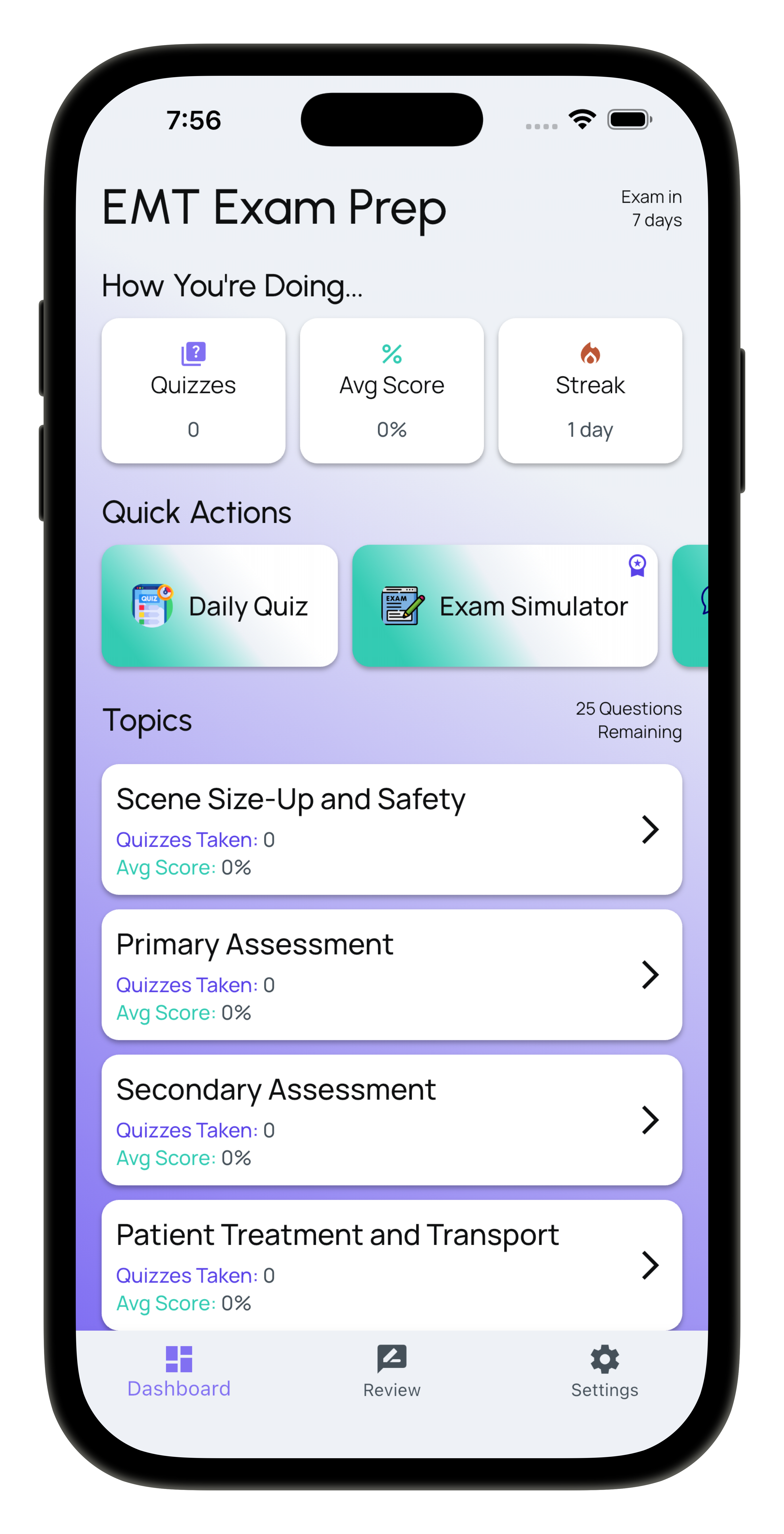
Ready to become a certified EMT? Try EMT Exam Prep 2025 for comprehensive NREMT-style practice questions with detailed explanations covering all essential certification content areas.