Am I Good? - Simple Budgeting
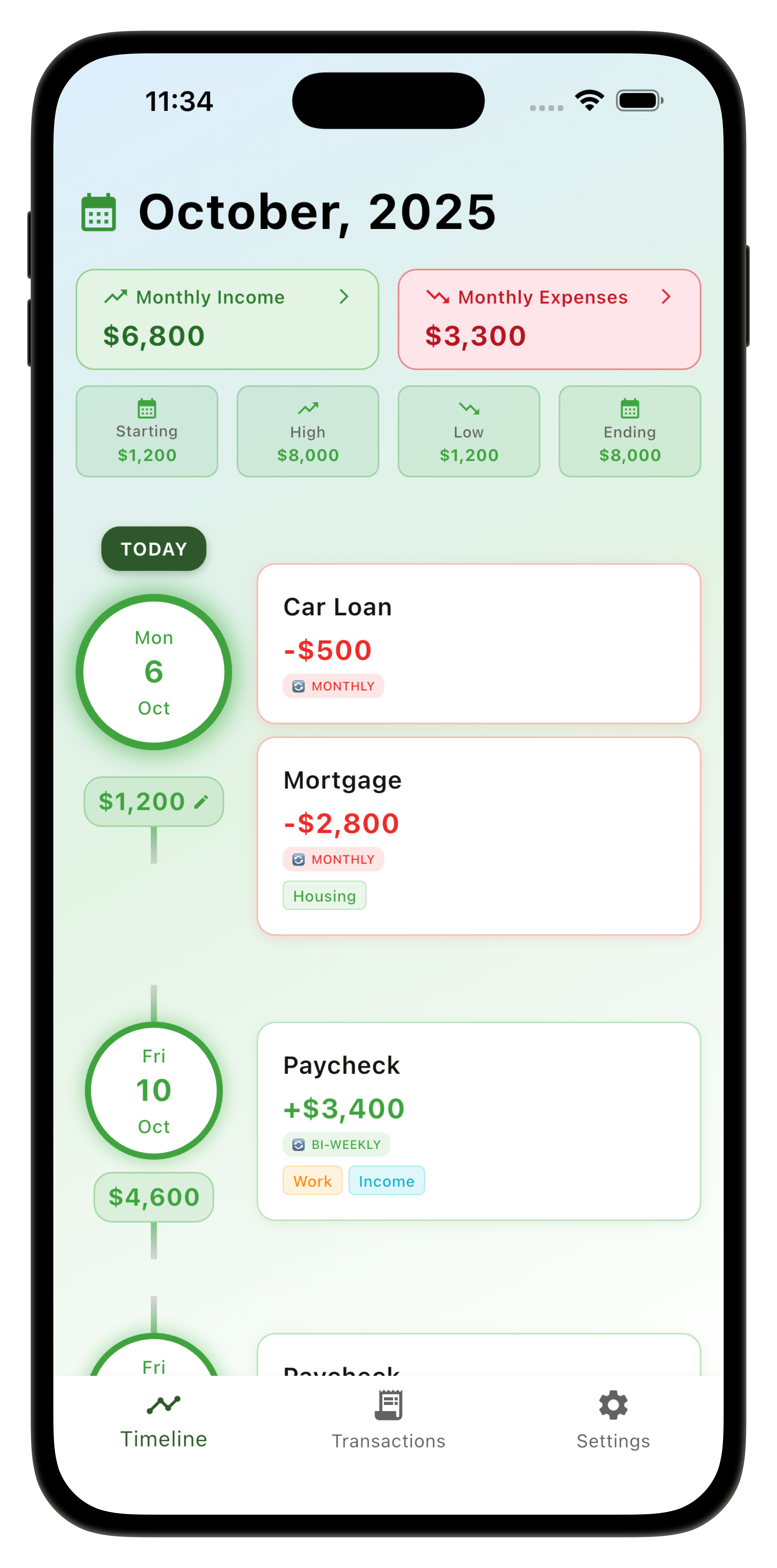
Managing your finances shouldn’t feel like a daunting task; it should be a pathway to peace of mind and financial freedom. At Am I Good, we believe in the power of simplicity and privacy in budgeting. This blog post will walk you through sustainable budgeting practices that can lead to long-term success while keeping your financial data secure. Let’s dive in!
Embrace the 50/30/20 Rule
One of the easiest budgeting techniques to implement is the 50/30/20 rule. This straightforward method divides your after-tax income into three categories:
- 50% Needs: Allocate half of your income to essential expenses like housing, food, utilities, and transportation.
- 30% Wants: Set aside 30% for discretionary spending, such as entertainment, dining out, or hobbies.
- 20% Savings: Use the remaining 20% for savings and debt repayment.
This simple framework helps you visualize your spending and ensures you balance your needs, wants, and savings without the complexity of more advanced budgeting methods. It’s a great starting point for anyone looking to manage their finances without feeling overwhelmed.
Start Small with Savings Goals
Setting savings goals can feel intimidating, but it doesn’t have to be. Begin with small, achievable objectives. For example, you might aim to save $100 each month for an emergency fund or a specific purchase. Here’s how to break it down:
- Identify Your Goal: What are you saving for? An emergency fund, vacation, or new appliance?
- Set a Deadline: Define a timeline for your goal. When do you want to reach it?
- Break It Down: Divide the total amount by the number of months until your deadline. This gives you a manageable monthly savings target.
By setting small, measurable goals, you can gradually build your savings without feeling pressure. Remember, every little bit counts!
Track Your Spending Privately
One of the most significant advantages of using a privacy-focused budgeting app like Am I Good is that you can track your spending without fear of data breaches or unwanted sharing. Here’s how to maintain your financial privacy while keeping tabs on your expenses:
- Manual Entry: Rather than linking bank accounts, manually enter your income and expenses. This method keeps your financial data entirely within your control.
- Use Cash or Debit: When possible, use cash or a debit card for purchases. This minimizes the digital footprint of your spending habits.
- Regular Reviews: Set aside time each week to review your spending. This helps you stay aware of where your money is going without needing complex reports.
Mindset Shifts for Financial Wellness
Sometimes, the biggest barriers to effective budgeting are our mindsets. Here are a few shifts to consider:
- From Scarcity to Abundance: Instead of viewing budgeting as a restriction, think of it as a tool for freedom. When you budget, you’re prioritizing what matters most to you.
- Progress Over Perfection: Understand that budgeting is a journey, not a destination. It’s okay to have ups and downs. Focus on making progress rather than achieving perfection.
- Celebrate Small Wins: Each time you stick to your budget or reach a savings goal, take a moment to celebrate. This positive reinforcement will help you stay motivated.
Real-World Examples
Let’s explore how real-life individuals have implemented sustainable budgeting practices with success:
-
Maria, a Military Spouse: After moving frequently, Maria found traditional budgeting apps overwhelming. She adopted the 50/30/20 rule and began tracking her expenses manually. By focusing on her needs and setting small savings goals for each move, she felt more in control of her finances.
-
Josh, a Recent Grad: Josh struggled to save after college due to student loans and living expenses. He started using Am I Good to track his spending privately. By gradually increasing his savings target, he built an emergency fund while paying off debt, all without the stress of complex financial tools.
Stress-Reduction Approaches to Money Management
Managing your finances can be stressful, but there are simple strategies to reduce that anxiety:
-
Set Regular Check-Ins: Schedule weekly or monthly check-ins to review your budget and spending. This routine will help you stay on top of your finances and alleviate last-minute panic about bills or expenses.
-
Mindfulness Practices: Incorporate mindfulness techniques, such as meditation or deep breathing, when thinking about your finances. This can help ease anxiety and promote a more positive outlook on your budgeting efforts.
-
Seek Support: Share your financial goals with a trusted friend or family member. Having someone to talk to can provide accountability and encouragement.
Conclusion
Sustainable budgeting practices don’t have to be complex or invasive. With straightforward strategies like the 50/30/20 rule, small savings goals, and a focus on maintaining financial privacy, you can achieve long-term financial success with ease. Remember, budgeting is not just about managing money; it’s about creating a life you love while respecting your privacy.
Take the first step toward financial wellness today—embrace simplicity, prioritize your privacy, and start your journey to sustainable budgeting with confidence!
Ready for simple, private budgeting? Try Am I Good? and track your income and expenses effortlessly—no accounts, no data sharing, just straightforward financial awareness.