EMR Exam Prep
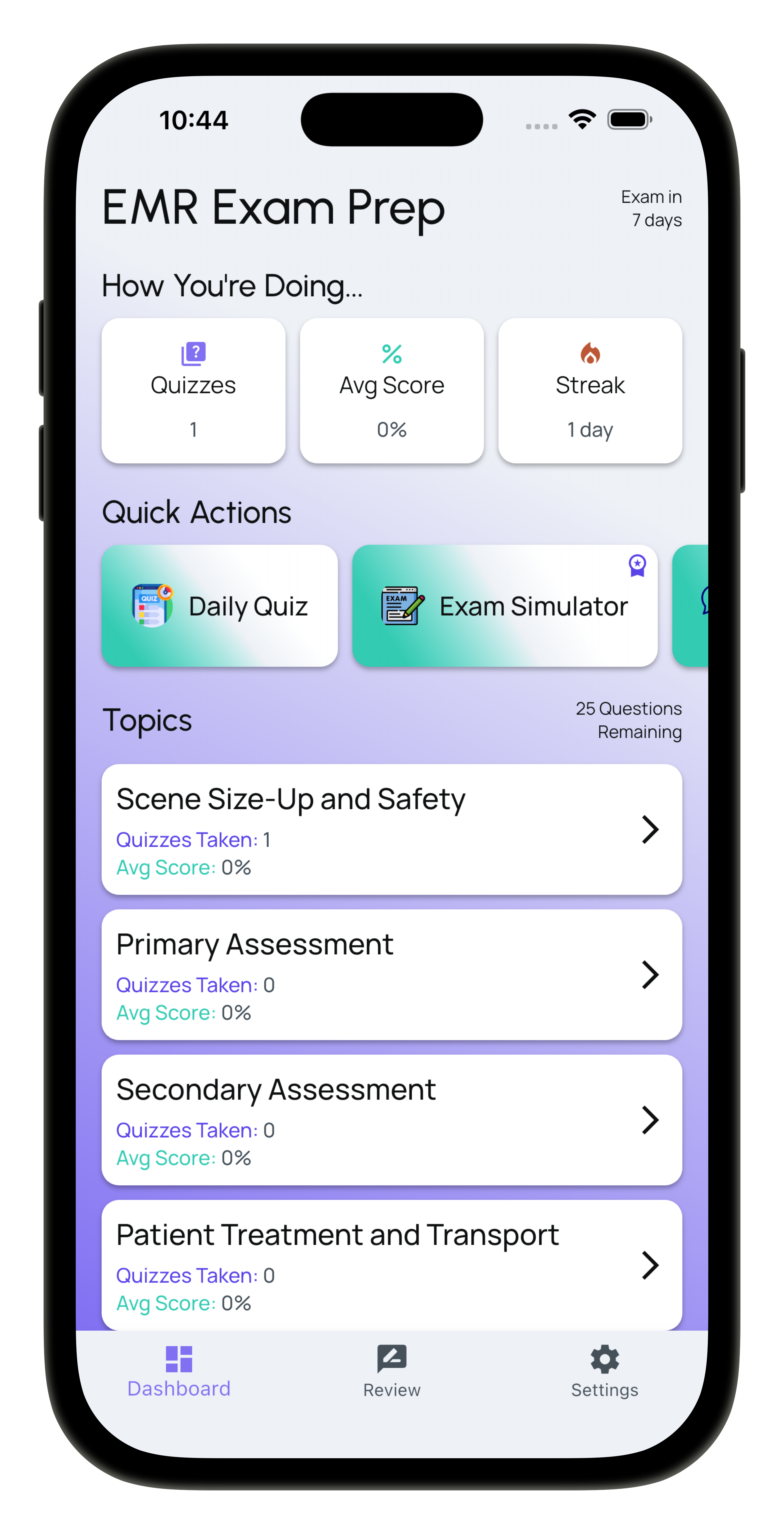
Embarking on a journey as an Emergency Medical Responder (EMR) is both exciting and challenging, especially in rural settings where resources can be limited. As aspiring EMRs, it’s crucial to understand the unique hurdles you may face and how to effectively overcome them. This blog post will arm you with essential emergency medical concepts, practical training tips, real-world applications, and career guidance to ensure your success in this rewarding profession.
Understanding Basic Emergency Medical Concepts and Skills
Before you can tackle the challenges of rural emergency medical response, it’s vital to master the foundational skills and concepts of emergency medicine. Here are some key areas to focus on:
1. Basic Life Support (BLS)
BLS is the cornerstone of emergency medical response. It includes:
-
Cardiopulmonary Resuscitation (CPR): Knowing how to perform CPR on adults, children, and infants is essential. Practice chest compressions and rescue breaths frequently to develop muscle memory.
-
Automated External Defibrillator (AED) Usage: Familiarize yourself with AED machines and their functions. Practice scenarios where you may need to use an AED during cardiac emergencies.
2. First Aid Skills
Basic first aid skills are critical in rural environments where emergency services may take longer to arrive. Key first aid skills include:
-
Wound Care: Learn to clean and dress wounds appropriately to prevent infection.
-
Splinting Techniques: Understand how to immobilize fractures and dislocations using improvised materials.
-
Basic Assessment: Conducting a primary survey (ABC - Airway, Breathing, Circulation) can help you quickly identify life-threatening conditions.
Practical Training and Study Tips
As you prepare for your EMR certification, effective study and training techniques are essential. Here are some actionable tips:
1. Use EMR Exam Prep Resources
Take advantage of the EMR Exam Prep app, which offers a wide range of practice questions and study materials tailored for EMR certification. Regularly practice with these resources to reinforce your knowledge and identify areas that need improvement.
2. Engage in Hands-on Practice
Theory is important, but hands-on practice is where you truly learn. Participate in simulations and practice scenarios with your peers or instructors. This helps you gain confidence and refine your skills in a supportive environment.
3. Form Study Groups
Collaborate with fellow EMR students to create study groups. This not only helps in sharing knowledge but also provides a platform to discuss challenging concepts and practice skills together.
4. Focus on Real-Life Scenarios
Incorporate real-world scenarios into your training. For instance, simulate a rural accident scene where you need to assess multiple patients. This will prepare you for the complexities of actual emergencies.
Real-World Application Examples
Understanding how to apply your training in real-world situations is crucial. Here are a couple of examples:
1. Responding to a Vehicle Accident
Imagine you arrive at the scene of a vehicle accident in a rural area. The first step is to ensure your safety and the safety of others. Wear appropriate personal protective equipment (PPE) and evaluate the situation.
- Perform a primary assessment on the involved individuals.
- Control any severe bleeding using direct pressure or a tourniquet if necessary.
- If someone is unconscious and not breathing, initiate CPR and use an AED as needed.
2. Managing a Medical Emergency
In a rural setting, you might encounter someone experiencing a medical emergency, such as a heart attack. Time is of the essence, so:
- Quickly assess the patient’s symptoms.
- Provide oxygen if available and positioned the patient comfortably.
- Prepare to administer aspirin if indicated and you have been trained to do so.
- Contact nearby EMS services to provide additional support.
Career Guidance for New EMRs
As you move forward in your EMR career, here are some tips to consider:
1. Stay Informed
Emergency medicine is a constantly evolving field. Stay updated on the latest protocols, guidelines, and technologies. Attend workshops, webinars, or local training sessions to enhance your skills.
2. Network with Other Professionals
Connect with experienced EMS professionals and mentors who can offer guidance and support. Join local EMS organizations or online forums to expand your network.
3. Explore Further Educational Opportunities
Consider pursuing additional certifications or training in specialized areas, such as wilderness medicine or advanced first aid. These skills can be particularly valuable in rural settings.
Safety Considerations and Best Practices
Safety should always be your top priority as an EMR. Here are some best practices to keep in mind:
1. Scene Safety First
Always assess the scene for hazards before approaching. Ensure that it is safe for you and your team to provide care.
2. Maintain Personal Health
Your ability to care for others depends on your health. Ensure you are physically fit, mentally prepared, and able to perform your duties effectively.
3. Follow Protocols
Adhere strictly to established protocols and guidelines. This not only ensures the best outcomes for patients but also protects you legally and ethically.
4. Document Thoroughly
Accurate documentation is critical in EMS. Record all relevant information about the incident, assessment, and care provided. This documentation may be essential for ongoing patient care and legal purposes.
Conclusion
Your journey as an Emergency Medical Responder in a rural setting may present unique challenges, but with the right knowledge, skills, and preparation, you can make a meaningful impact in your community. Remember, the EMR Exam Prep app is here to support you throughout your training with valuable resources and practice materials. Stay committed to learning, practice consistently, and embrace the rewarding experience of serving as an EMR. Your dedication can truly save lives!
Starting your EMR certification journey? Try EMR Exam Prep for practice questions and study materials designed to help you succeed as an Emergency Medical Responder.