EMT Exam Prep 2025
Cardiovascular emergencies are among the most critical situations an EMT may encounter in the field. These emergencies can range from acute myocardial infarctions (heart attacks) to severe arrhythmias and cardiac arrest. Recognizing the signs and symptoms of cardiovascular distress and applying appropriate treatment protocols can significantly impact patient outcomes. This blog post will delve into the recognition and treatment of these emergencies, providing essential information for EMT candidates and emergency responders.
Understanding Cardiovascular Emergencies
Cardiovascular emergencies are medical crises that involve the heart and blood vessels, often leading to inadequate blood flow to vital organs. As an EMT, your role is to quickly assess the situation, provide immediate care, and facilitate transport to advanced medical facilities. Knowing the common types of cardiovascular emergencies is crucial for effective intervention.
Common Types of Cardiovascular Emergencies
-
Acute Myocardial Infarction (AMI): Often referred to as a heart attack, AMI occurs when blood flow to a part of the heart muscle is blocked. Common symptoms include chest pain, shortness of breath, sweating, and nausea.
-
Congestive Heart Failure (CHF): CHF occurs when the heart is unable to pump blood effectively, leading to fluid buildup in the lungs and other tissues. Symptoms may include dyspnea, edema, and fatigue.
-
Cardiac Arrest: This life-threatening condition occurs when the heart stops beating effectively, leading to a cessation of blood flow. Recognizable signs include unresponsiveness and absence of normal breathing.
-
Arrhythmias: These are irregular heartbeats that can lead to ineffective pumping of blood. Some arrhythmias can be life-threatening, requiring immediate intervention.
Recognition of Cardiovascular Emergencies
Timely recognition of cardiovascular emergencies is vital for effective intervention. EMTs should be aware of the typical signs and symptoms associated with these conditions.
Key Signs and Symptoms
- Chest Pain: Often described as pressure, squeezing, or a sharp pain. It may radiate to the arms, neck, jaw, or back.
- Shortness of Breath: Difficulty breathing, especially during exertion or while lying flat, can indicate heart failure or an impending heart attack.
- Sweating: Diaphoresis, or excessive sweating, can occur even in the absence of physical exertion.
- Nausea/Vomiting: Patients may experience gastrointestinal distress, which can accompany cardiovascular issues.
- Altered Mental Status: Confusion or unresponsiveness can suggest inadequate blood flow to the brain.
Assessment Techniques
When assessing a patient for possible cardiovascular emergencies, EMTs should perform the following:
- Obtain a Patient History: Ask about the onset and nature of symptoms, medical history, and any medications the patient may be taking.
- Conduct a Physical Examination: Check vital signs, including blood pressure, heart rate, respiratory rate, and oxygen saturation.
- Use the OPQRST Method: This mnemonic helps assess pain:
- O: Onset
- P: Provocation/Palliation
- Q: Quality
- R: Region/Radiation
- S: Severity
- T: Time
Treatment Protocols for Cardiovascular Emergencies
Once a cardiovascular emergency is recognized, prompt treatment is essential. EMTs should adhere to established protocols while ensuring patient safety.
Initial Interventions
- Administer Oxygen: Providing supplemental oxygen can help improve tissue perfusion, especially in patients with respiratory distress or hypoxia.
- Positioning: Place the patient in a position of comfort, often sitting up or leaning forward, to ease breathing.
- Monitor Vital Signs: Continuous monitoring of vital signs is crucial to assess the patient’s response to treatment.
Specific Treatments
- For Acute Myocardial Infarction:
- Administer aspirin (if not contraindicated) to help thin the blood and reduce clot formation.
- Prepare for potential advanced interventions such as nitroglycerin administration, if the patient’s blood pressure allows.
- For Congestive Heart Failure:
- Administer diuretics if protocol allows and the patient presents with signs of fluid overload.
- Position the patient to promote respiratory comfort.
- For Cardiac Arrest:
- Immediately initiate CPR and activate the emergency response system.
- Use an Automated External Defibrillator (AED) as soon as available.
Practical Takeaways for EMT Students
- Know Your Protocols: Familiarize yourself with your local protocols for managing cardiovascular emergencies. Review the NREMT guidelines to ensure your knowledge aligns with current standards.
- Practice Your Skills: Regularly practice assessment and treatment skills in training scenarios to build confidence and competence.
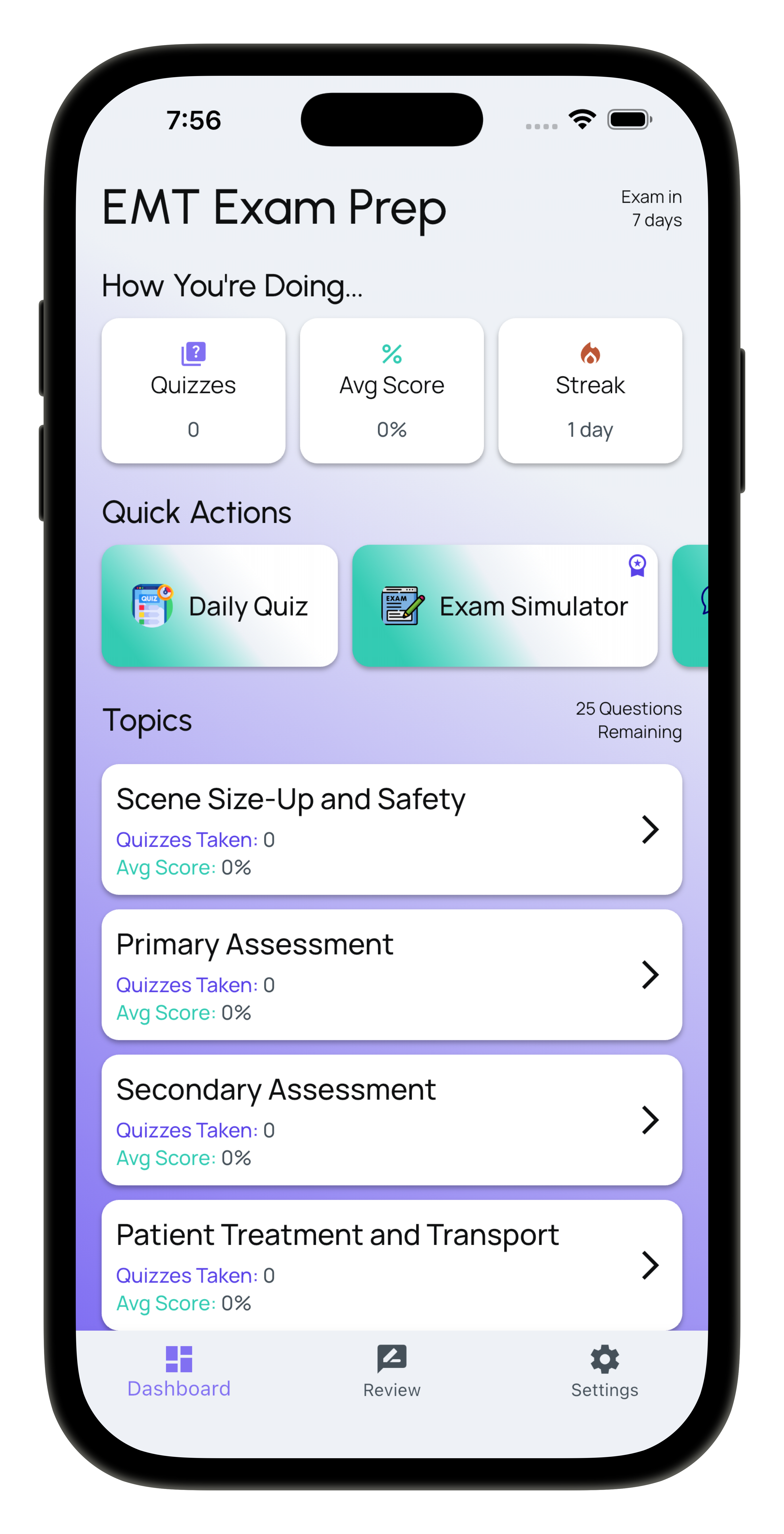
- Utilize Study Resources: Leverage tools such as the EMT Exam Prep mobile app, which offers NREMT-style practice questions and detailed explanations to reinforce your understanding of cardiovascular emergencies.
Conclusion
Cardiovascular emergencies require swift recognition and intervention to reduce morbidity and mortality. As an EMT candidate, mastering the signs, symptoms, and treatment protocols will enhance your ability to provide effective care in the field. By utilizing resources like the EMT Exam Prep mobile app, you can strengthen your knowledge and skills, ultimately paving the way for success in your EMT certification journey. Remember, every second counts in emergencies; your preparedness can make all the difference in saving a life.
Ready to become a certified EMT? Try EMT Exam Prep 2025 for comprehensive NREMT-style practice questions with detailed explanations covering all essential certification content areas.