EMR Exam Prep
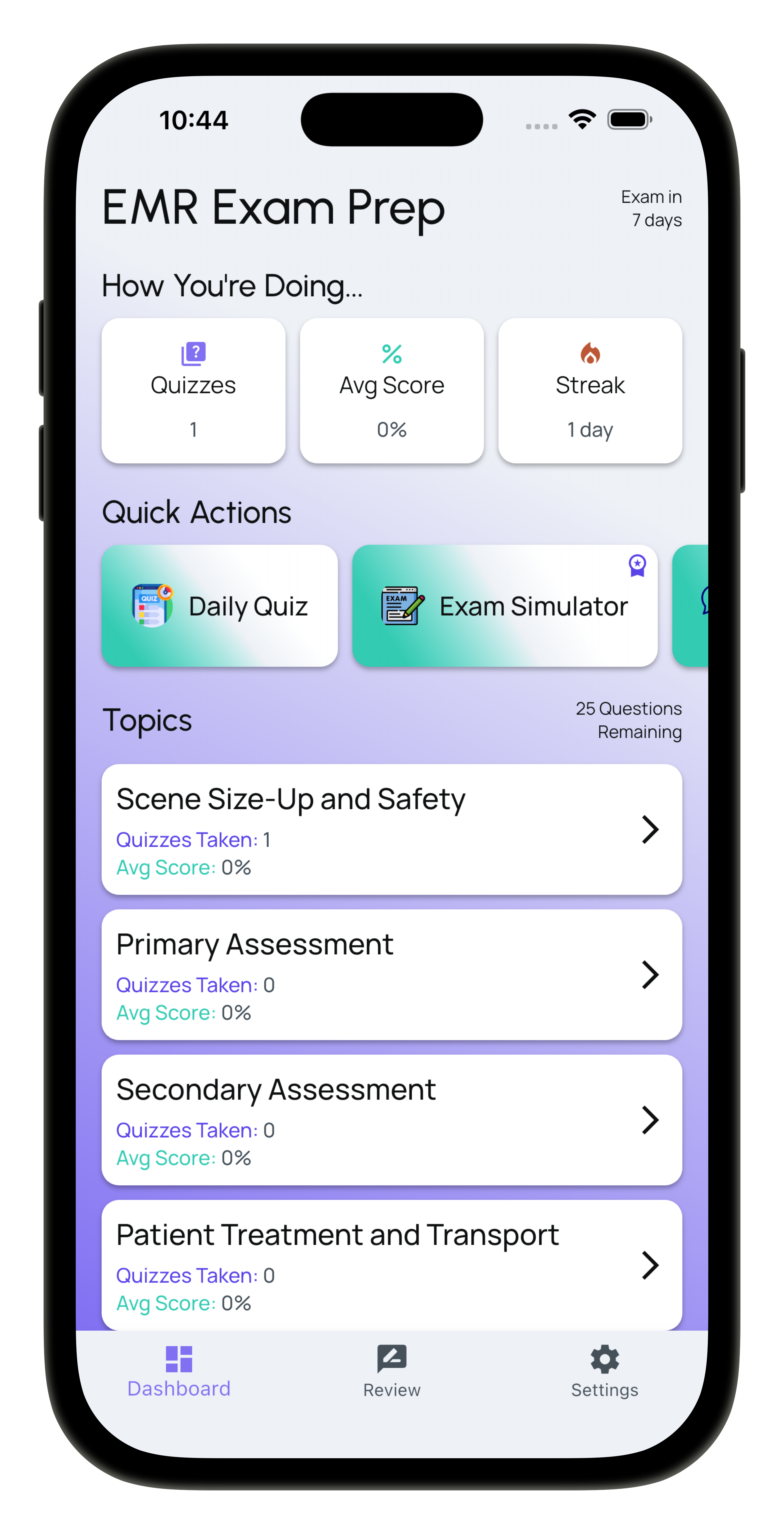
Emergency Medical Responders (EMRs) play a crucial role in the healthcare system, especially in rural areas where access to advanced medical care can be limited. As an aspiring EMR or new responder, understanding the unique challenges of rural emergency response and mastering fundamental skills will prepare you for success in your training and future career. In this blog post, we will explore basic emergency medical concepts, practical training tips, real-world applications, career guidance, and essential safety considerations.
Understanding Basic Emergency Medical Concepts and Skills
Before you can effectively respond to emergencies, it’s vital to have a solid grounding in basic emergency medical concepts. Here are some key areas to focus on:
1. Basic Life Support (BLS)
- CPR and AED Use: Mastering cardiopulmonary resuscitation (CPR) and the use of an Automated External Defibrillator (AED) is essential. Practice these skills regularly during training sessions and simulations to ensure you can perform them quickly and confidently in real-life scenarios.
- Airway Management: Understanding the anatomy of the airway and learning techniques for clearing obstructions is critical. Familiarize yourself with the head-tilt/chin-lift and jaw-thrust maneuvers.
2. First Aid Skills
- Wound Care and Bandaging: Know how to clean and dress wounds properly. Practice applying different types of bandages, including pressure dressings for bleeding control.
- Splinting Techniques: Familiarize yourself with how to immobilize broken bones or dislocations. Use everyday items to practice creating splints in various scenarios.
3. Patient Assessment
- Primary and Secondary Assessments: Learn how to quickly assess a patient’s airway, breathing, circulation, and overall condition. Develop a methodical approach to gather vital signs and identify critical injuries or illnesses.
Practical Training and Study Tips
As you embark on your training journey, consider these actionable tips to enhance your learning and retention:
1. Utilize EMR Exam Prep Resources
- Take advantage of practice questions and study materials available through EMR Exam Prep. Regularly engage with quizzes and flashcards to reinforce your knowledge and identify areas needing improvement.
2. Participate in Hands-On Training
- Attend local training sessions or workshops to gain practical experience. Simulated emergency scenarios can provide valuable insights into real-life situations you may face in the field.
3. Form Study Groups
- Collaborating with peers can enhance your understanding of complex topics. Share insights, quiz one another, and discuss real-life scenarios to deepen your learning experience.
4. Review Case Studies
- Analyze case studies related to rural emergency responses. Understanding how experienced responders handled various emergencies can offer valuable lessons and strategies.
Real-World Application Examples
Rural areas present unique challenges for EMRs, and the ability to think critically and adapt is essential. Here are some examples of how to apply your training in the field:
1. Responding to a Car Accident in a Remote Location
- In rural areas, emergency responders may face longer transport times. Upon arrival, prioritize assessing the scene for safety, and use your BLS skills to stabilize patients until advanced care arrives.
2. Handling a Cardiac Emergency at a Community Event
- Be prepared for unexpected medical emergencies at local gatherings. Initiate CPR and use an AED as soon as possible. Communicate with bystanders to call for additional help while you provide care.
3. Dealing with Environmental Injuries
- Rural responders may encounter patients suffering from heatstroke or hypothermia. Recognize the signs early and implement appropriate first aid measures, such as active cooling or warming techniques.
Career Guidance for New EMRs
Starting your career as an EMR can be both exciting and daunting. Here are some tips to help you navigate your journey:
1. Seek Mentorship
- Connect with experienced EMRs or paramedics in your community. They can provide invaluable insights, share their experiences, and guide you as you transition from training to real-life responses.
2. Consider Specialized Training
- Explore additional training opportunities, such as wilderness medicine courses or advanced first aid certifications. These can enhance your skill set and make you a more valuable asset in rural settings.
3. Stay Informed
- Keep up with advancements in emergency medicine and best practices. Subscribe to relevant journals, attend workshops, and engage in continuing education to ensure you remain knowledgeable and effective.
Safety Considerations and Best Practices
Safety is paramount in emergency medical response. Here are some best practices to keep in mind:
1. Personal Safety First
- Always assess the scene for dangers before approaching a patient. Wear appropriate personal protective equipment (PPE) and ensure that you are safe to provide care.
2. Follow Protocols
- Adhere to established protocols and guidelines. This not only ensures the safety of you and your patient but also helps maintain a standard of care within your team.
3. Communication is Key
- Clear communication with your team and dispatch is vital. Use concise language to relay important information and ensure everyone is aware of their roles during an emergency response.
4. Document Your Actions
- Keep accurate records of your assessments and treatments. This documentation can be crucial for legal reasons and for ensuring continuity of care once advanced EMS arrives.
Conclusion
The journey to becoming an Emergency Medical Responder can be challenging, especially in rural areas where resources may be limited. However, with the right training, knowledge, and mindset, you can overcome these challenges and make a meaningful impact in your community. Utilize EMR Exam Prep as a valuable resource throughout your training, and remember that every skill you learn today prepares you for the real-life scenarios you will encounter tomorrow. Stay safe, stay informed, and embrace your role as a vital part of the emergency medical response team!
Starting your EMR certification journey? Try EMR Exam Prep for practice questions and study materials designed to help you succeed as an Emergency Medical Responder.