Am I Good? - Simple Budgeting
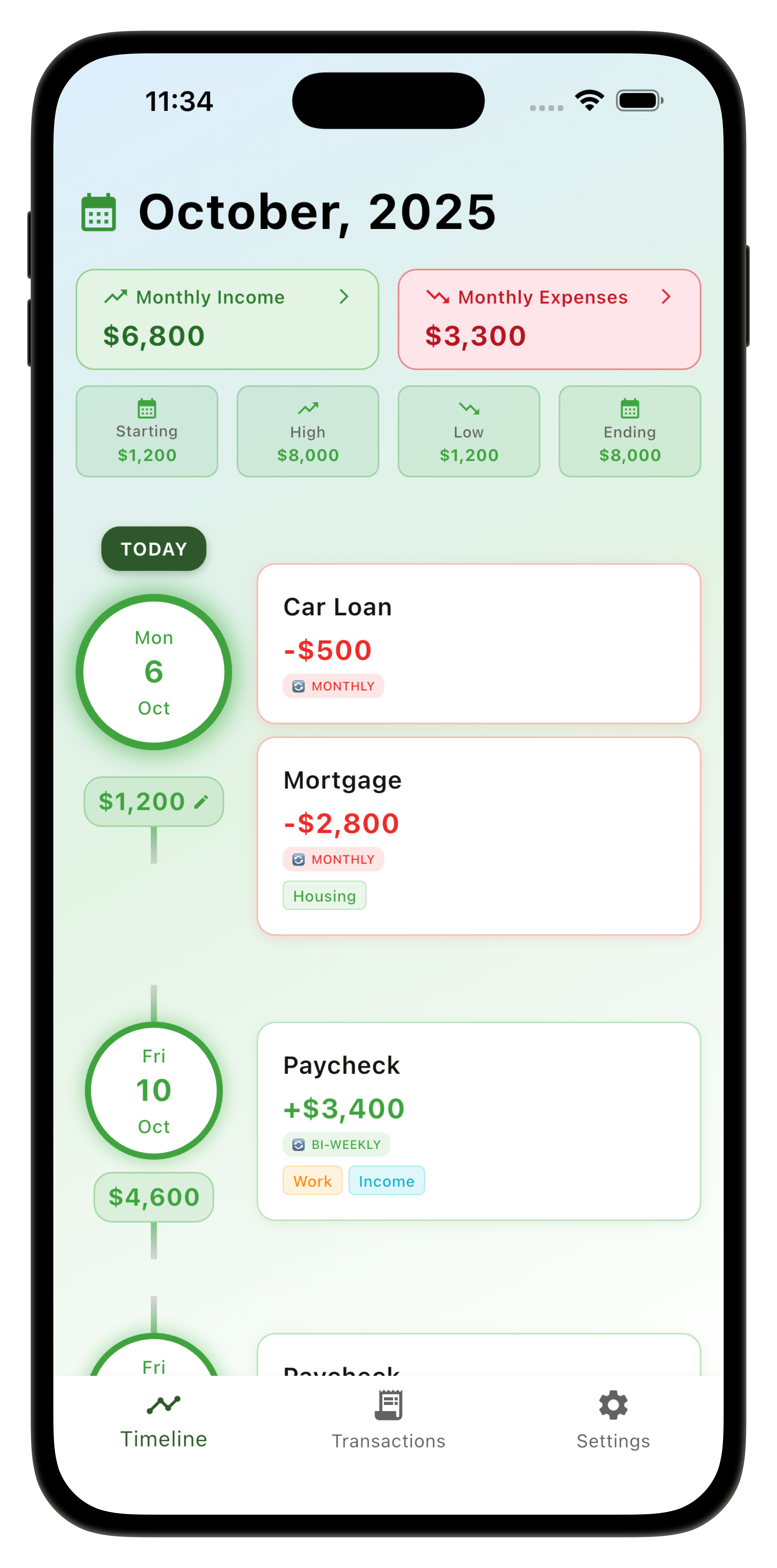
In today’s digital age, maintaining financial privacy and data security is more important than ever. With countless budgeting apps and online banking services, it’s easy to feel overwhelmed by the potential risks to your personal information. But fear not—managing your finances can be straightforward and stress-free, especially when you prioritize privacy. In this blog post, we’ll explore practical strategies for budgeting, tips for safeguarding your financial information, and simple mindset shifts that can help you take control of your financial wellness without compromising your privacy.
Why Financial Privacy Matters
Financial privacy is about protecting your personal information from unauthorized access. When you share your financial data online, you open yourself up to potential risks such as identity theft, fraud, and unwanted solicitations. By keeping your financial information private, you not only safeguard your assets but also gain peace of mind.
Moreover, prioritizing privacy means you can focus on building a financial future that aligns with your values, free from external pressures or judgments. This is where Am I Good comes in—offering a budgeting tool that respects your privacy and helps you track your income and expenses without the complications of data sharing.
Practical and Easy-to-Implement Financial Strategies
1. Start with a Simple Budget
Creating a budget doesn’t have to be complicated. Start by tracking your income and expenses for a month. Note down every source of income and categorize your expenses into fixed (rent, utilities) and variable (groceries, entertainment). This will give you a clear picture of where your money is going.
Actionable Tip: Use a simple spreadsheet or a notepad to jot down these figures. You can also use the Am I Good app to keep it even simpler—no accounts or data sharing required!
2. The 50/30/20 Rule
One straightforward budgeting method is the 50/30/20 rule. Allocate 50% of your income to needs (housing, food), 30% to wants (dining out, entertainment), and 20% to savings or debt repayment. This flexible approach allows you to prioritize your spending while ensuring you are saving for the future.
3. Automate Your Savings
One of the simplest ways to ensure you’re saving is to automate your savings. Set up a direct deposit from your paycheck into a savings account. This way, you won’t even miss the money, and it keeps your savings separate from your spending account, reducing the temptation to dip into those funds.
Tips for Maintaining Financial Privacy
1. Use Strong Passwords and Two-Factor Authentication
Make sure your financial accounts are protected with strong, unique passwords. Use a combination of letters, numbers, and symbols, and change your passwords regularly. Additionally, enable two-factor authentication wherever possible for an added layer of security.
2. Be Selective with Apps
When choosing financial applications, opt for those that prioritize your privacy, like Am I Good. Avoid apps that require sensitive personal information or share your data with third parties. Always check the privacy policy to see how your data will be used.
3. Limit Sharing on Social Media
Be cautious about sharing financial milestones or struggles on social media. While it’s natural to celebrate achievements, oversharing can make you vulnerable to scams or unwanted solicitations. Keep your financial information private, and share only with trusted friends or family.
Simple Budgeting Techniques and Mindset Shifts
1. Embrace a “Needs vs. Wants” Mindset
Adopting a “needs vs. wants” mindset can help clarify your spending. Before making a purchase, ask yourself if it’s something you truly need or just a fleeting desire. This simple practice can significantly reduce impulsive spending.
2. Reflect on Your Financial Goals
Take time to reflect on what you want to achieve financially. Whether it’s saving for a home, paying off debt, or building an emergency fund, having clear goals can motivate you to stick to your budget. Write down your goals and revisit them regularly to stay focused.
3. Celebrate Small Wins
Recognizing and celebrating small financial victories can boost your confidence and motivation. Whether it’s sticking to your budget for a month or saving a specific amount, take time to acknowledge your progress. This positive reinforcement can help you develop sustainable financial habits.
Real-World Examples to Resonate With You
Consider Sarah, a military spouse who often moves due to her partner’s deployments. She found budgeting overwhelming with traditional apps that required constant updates and account linking. By switching to Am I Good, she was able to track her income and expenses effortlessly without compromising her privacy. Now, Sarah feels in control of her finances and can focus on her family without the stress of complex budgeting.
Or think about Mike, a recent college graduate drowning in student debt. He started using the 50/30/20 rule and found that by cutting back on dining out and entertainment, he could make significant payments toward his loans. With a simple budget in place, Mike is on track to pay off his debt faster while still enjoying life.
Stress-Reduction Approaches to Money Management
1. Set Aside “Me Time” for Financial Review
Schedule regular times to review your budget and financial goals. Whether it’s once a week or once a month, make it a stress-free session. Grab your favorite beverage, find a comfortable spot, and take a relaxed approach to assessing your finances.
2. Practice Mindfulness
Incorporate mindfulness practices to reduce stress around money management. Take a few moments to breathe deeply and visualize your financial goals. This can help shift your mindset from one of anxiety to one of empowerment.
3. Seek Support
If managing finances feels overwhelming, don’t hesitate to reach out for support. Whether it’s a trusted friend or a financial advisor, talking about your financial concerns can alleviate stress and provide you with new perspectives.
Conclusion
Prioritizing financial privacy and data security doesn’t have to be complicated. By implementing simple budgeting techniques, adopting a privacy-first mindset, and using tools that respect your data, you can take control of your finances without the stress. Remember, financial wellness is a journey, and every small step you take brings you closer to your goals. Embrace simplicity, protect your privacy, and enjoy the peace of mind that comes with thoughtful financial management. With Am I Good, you’re not just budgeting; you’re building a secure financial future—one simple step at a time.
Ready for simple, private budgeting? Try Am I Good? and track your income and expenses effortlessly—no accounts, no data sharing, just straightforward financial awareness.