EMT Exam Prep 2025
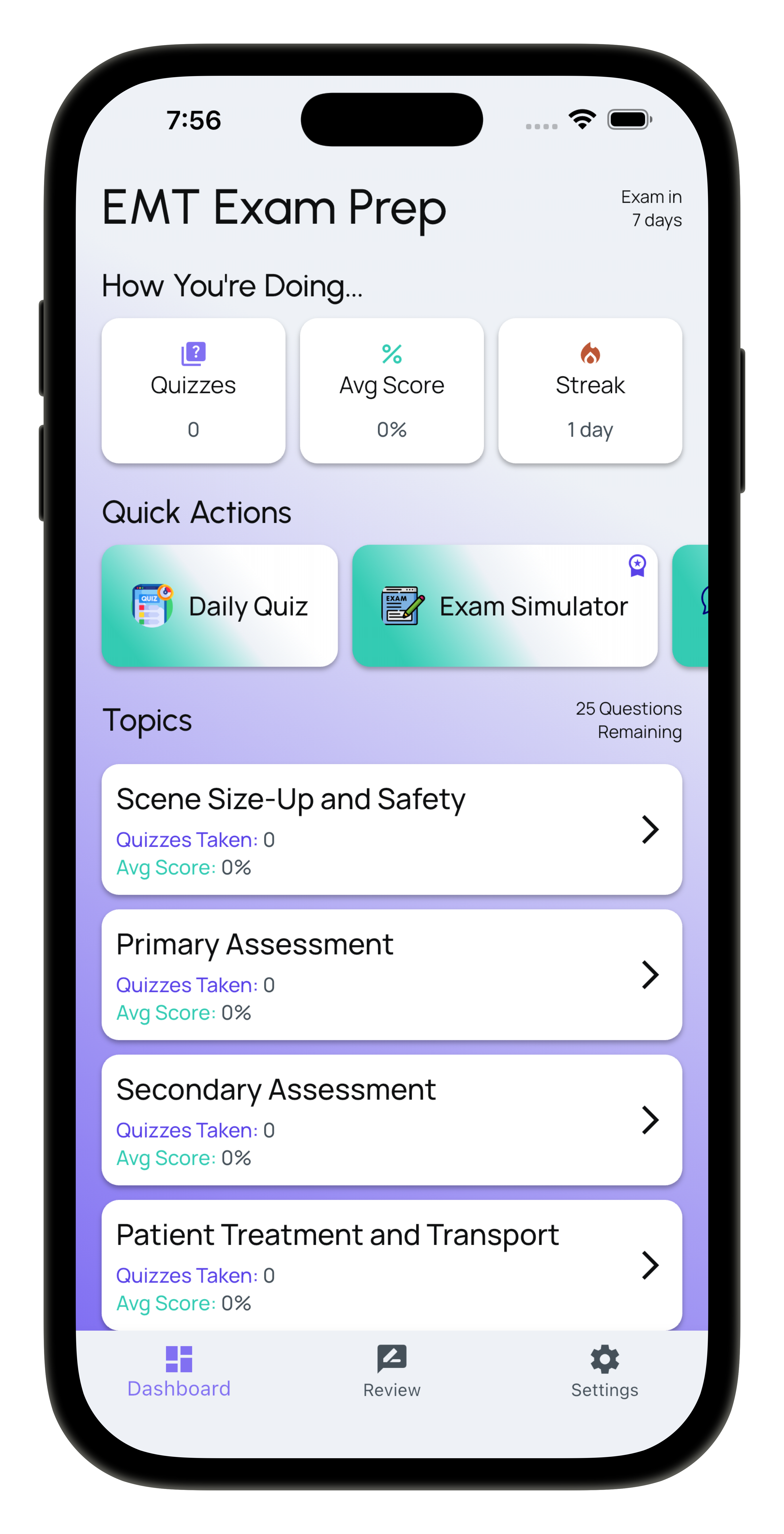
Time management is an essential skill for EMT candidates and emergency responders alike. Whether you’re preparing for the National Registry of Emergency Medical Technicians (NREMT) exam or responding to a life-threatening emergency, the ability to efficiently manage your time can significantly impact outcomes. This blog post will provide you with practical strategies for effective time management during your EMT studies and real-life scenarios in the field, ensuring you are well-prepared for both the exam and your future career in emergency medical services.
Understanding the Importance of Time Management
Time management is not just about keeping a schedule; it’s about prioritizing tasks and making informed decisions under pressure. In the context of EMT certification and emergency response, effective time management can lead to improved patient care, better exam performance, and enhanced professional development.
When you manage your time well, you can ensure that critical tasks are completed efficiently, whether it’s studying for the NREMT exam or administering care to a patient. In both scenarios, the stakes are high, and the ability to act decisively can make all the difference.
Time Management Strategies for NREMT Exam Preparation
1. Create a Study Schedule
Establishing a structured study schedule can help you stay organized and focused. Start by breaking down your study materials into manageable sections based on the NREMT content outline. Allocate specific times in your week for studying each section, and stick to your schedule as closely as possible.
Practical Tip: Use tools like calendars or study apps, including EMT Exam Prep, which can help you track your progress and keep you accountable. Set reminders for study sessions and break down larger topics into smaller, more manageable tasks.
2. Prioritize High-Yield Content
Not all topics carry the same weight on the NREMT exam. Use practice questions and assessments to identify areas where you need improvement. Focus your study efforts on high-yield content areas, such as airway management, trauma assessment, and pharmacology.
Practical Tip: Allocate more time to challenging topics while maintaining a review of areas you feel confident in. The EMT Exam Prep app provides NREMT-style questions that highlight these areas, helping you identify where to concentrate your study efforts.
3. Practice Time Management with Mock Exams
Simulate the exam environment by taking timed practice tests. This will not only familiarize you with the format of the NREMT exam but also enhance your ability to manage your time under pressure.
Practical Tip: When taking practice tests, set a timer for the total exam duration and adhere to it strictly. Review your answers afterward to understand why you got questions wrong and how you can improve your speed and accuracy in the future.
Time Management in Real Emergency Scenarios
1. Assess the Situation Quickly
In a real emergency, the first step is to rapidly assess the situation. This includes evaluating the scene for safety, identifying the mechanism of injury, and determining the number of patients. A swift assessment allows you to prioritize care effectively.
Practical Tip: Use the “scene size-up” and “primary assessment” protocols to quickly gather information. Remember to look for life-threatening conditions first, such as airway obstruction, severe bleeding, or unresponsiveness.
2. Utilize the ABCs of Patient Care
Once you have assessed the situation, prioritize your interventions using the ABCs (Airway, Breathing, Circulation). This systematic approach allows you to address the most critical issues first, ensuring that time is not wasted on less critical tasks.
Practical Tip: In a multi-casualty incident, triage becomes essential. Familiarize yourself with the START (Simple Triage and Rapid Treatment) triage system to quickly categorize patients based on their need for immediate care.
3. Delegate Tasks When Appropriate
In emergencies, you may find yourself in a position where you cannot do everything alone. Delegating tasks to other responders or bystanders can greatly improve efficiency and ensure that critical tasks are being managed simultaneously.
Practical Tip: Clearly communicate your needs when delegating. For example, instruct a bystander to call for additional help or ask a fellow responder to control bleeding while you manage the airway of a patient.
Practical Takeaways
- Set a Study Schedule: Create a structured study plan for your NREMT preparation to stay organized and accountable.
- Prioritize Content: Focus on high-yield topics and areas where you need improvement.
- Practice Under Pressure: Take timed practice exams to enhance your test-taking skills and time management.
- Assess Quickly in Emergencies: Use systematic assessments to prioritize patient needs effectively.
- Delegate Wisely: Learn to delegate tasks during emergencies to improve overall response times.
Conclusion
Mastering time management is crucial for both EMT exam success and effective emergency response. By implementing structured study schedules, prioritizing key content, and practicing under exam conditions, you can improve your performance on the NREMT exam. Similarly, in real emergencies, being able to assess situations quickly, prioritize care, and delegate effectively can lead to better patient outcomes.
The EMT Exam Prep app is designed to support you in your journey, providing you with the tools to enhance your study habits and prepare you for the challenges of emergency medical services. Remember, time management is not just a skill; it’s a critical component of your success as an EMT. Embrace it, practice it, and watch your confidence and competence grow.
Ready to become a certified EMT? Try EMT Exam Prep 2025 for comprehensive NREMT-style practice questions with detailed explanations covering all essential certification content areas.