Am I Good? - Simple Budgeting
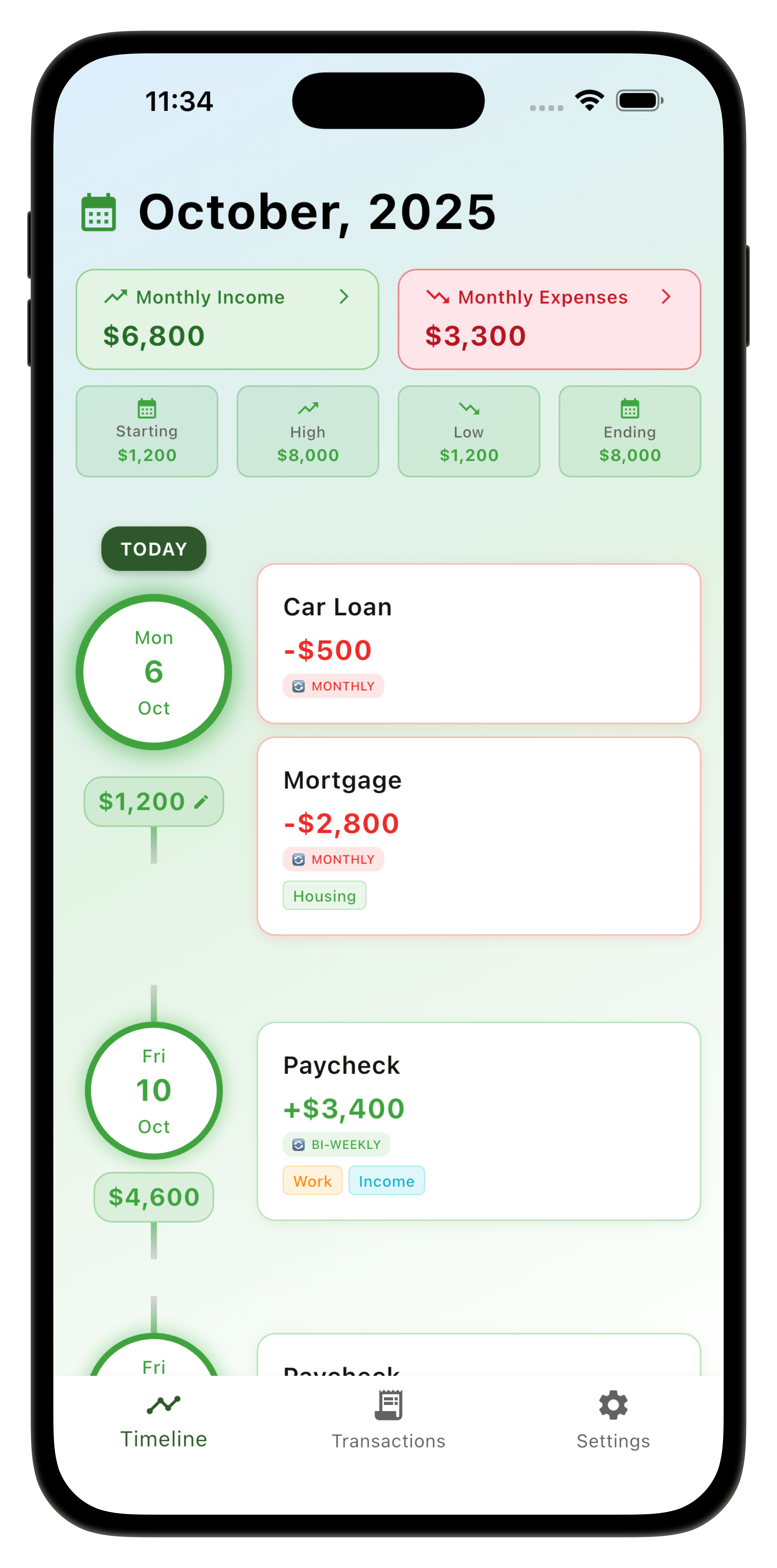
In today’s fast-paced world, financial stress can feel like an unavoidable part of life. Bills pile up, unexpected expenses arise, and all the while, our financial goals can seem just out of reach. But what if I told you that overcoming financial stress doesn’t have to be complicated? With simple, actionable strategies, you can take control of your finances while maintaining your privacy. Let’s explore how to manage your money with ease, all while adopting a mindset that prioritizes simplicity.
Practical Strategies for Financial Wellness
1. Create a Simple Budget
Budgeting doesn’t have to be a burdensome chore filled with spreadsheets and complex calculations. Start with a straightforward approach:
-
List Your Income: Write down all sources of income you receive each month. This could include your salary, side gigs, or any other income streams.
-
Track Your Expenses: Keep a log of your monthly expenses. Use categories like “Housing,” “Groceries,” “Utilities,” and “Entertainment.” You can jot these down in a notebook or use a simple app like Am I Good to keep your financial data private.
-
Set a Monthly Limit: Once you know your income and expenses, decide how much you want to allocate to each category. Remember, it’s about moderation and setting realistic limits.
2. Use the 50/30/20 Rule
The 50/30/20 rule is a popular budgeting technique that simplifies your financial planning even further. Here’s how it works:
-
50% for Needs: Allocate half of your income to essential expenses, such as rent, utilities, groceries, and transportation.
-
30% for Wants: Set aside 30% for discretionary spending, which can include dining out, hobbies, and entertainment.
-
20% for Savings: Finally, dedicate 20% to savings or paying off debt. This could mean setting up an emergency fund or contributing to retirement.
By following this simple structure, you can ease the stress of financial management and create a clearer path toward your goals.
Tips for Maintaining Financial Privacy
In a world where data breaches are all too common, protecting your financial information is paramount. Here are some effective ways to maintain your privacy while managing your finances:
1. Use Cash When Possible
Using cash helps you avoid sharing sensitive information with banks or apps. It also allows you to physically see your spending, making you more mindful of your purchases.
2. Avoid Linking Accounts
When using budgeting apps, consider those that don’t require linking your bank accounts. Am I Good lets you manually track your income and expenses without needing to input sensitive login information, keeping your financial data safe.
3. Regularly Review Privacy Settings
If you do use online tools, always review their privacy policies and settings. Make sure you know how your data is being used and ensure you’re comfortable with it.
Mindset Shifts for Financial Success
Changing your mindset around money can have a profound impact on your financial stress. Here are a few shifts to consider:
1. Focus on Progress, Not Perfection
Financial wellness is not a destination but a journey. Celebrate the small victories, whether it’s sticking to your budget for a month or paying off a small debt. Each step forward counts!
2. Embrace Minimalism
Consider adopting a minimalist approach to your finances. This means reducing unnecessary expenses and focusing on what truly adds value to your life. Less clutter in your financial life can lead to less stress overall.
3. Practice Gratitude
Regularly reflecting on what you’re thankful for can shift your focus away from financial woes. This can help you appreciate your current situation and encourage a more positive outlook on your financial journey.
Real-World Examples
Let’s look at how a couple of real-world scenarios can illustrate these principles:
Example 1: A Military Family on the Move
Meet the Thompsons, a military family that frequently relocates. Financial stress was common as they adjusted to new living costs and employment situations. By adopting the 50/30/20 rule, they created a flexible budget that allowed them to allocate funds for both necessities and fun family outings, all while maintaining a robust savings plan. Using cash for everyday expenses helped them avoid the stress of overspending in new environments.
Example 2: A Young Professional
Sarah, a recent college graduate, struggled with managing her student loans and monthly expenses. After discovering Am I Good, she started manually tracking her income and expenses. By simplifying her budgeting process, she could see where her money was going and cut back on unnecessary subscriptions. Over time, she built an emergency fund that provided her with peace of mind, reducing her overall financial stress.
Stress-Reduction Approaches to Money Management
Incorporating stress-reduction techniques can further enhance your financial experience. Here are a few to consider:
1. Mindfulness and Meditation
Taking a few minutes each day to practice mindfulness or meditation can help reduce anxiety around finances. Focus on your breathing and visualize your financial goals.
2. Set a Regular “Money Date”
Make it a routine to check in with your finances weekly or monthly. Set aside a specific time to review your budget, track expenses, and celebrate your progress. Treat it as a date with yourself, where you can reflect on your financial journey without judgment.
3. Seek Support
Don’t hesitate to talk about your financial worries with trusted friends or family. Sharing your concerns can lighten the load, and you might even gain valuable insights from their experiences.
Conclusion
Overcoming financial stress doesn’t have to be an uphill battle. By embracing simple budgeting techniques, maintaining your privacy, and adopting a positive mindset, you can take charge of your financial well-being. Remember, the journey to financial wellness is a marathon, not a sprint. So take a deep breath, implement these straightforward solutions, and enjoy the process of building a financially secure future, all while keeping your data safe and sound. You’ve got this!
Ready for simple, private budgeting? Try Am I Good? and track your income and expenses effortlessly—no accounts, no data sharing, just straightforward financial awareness.