EMR Exam Prep
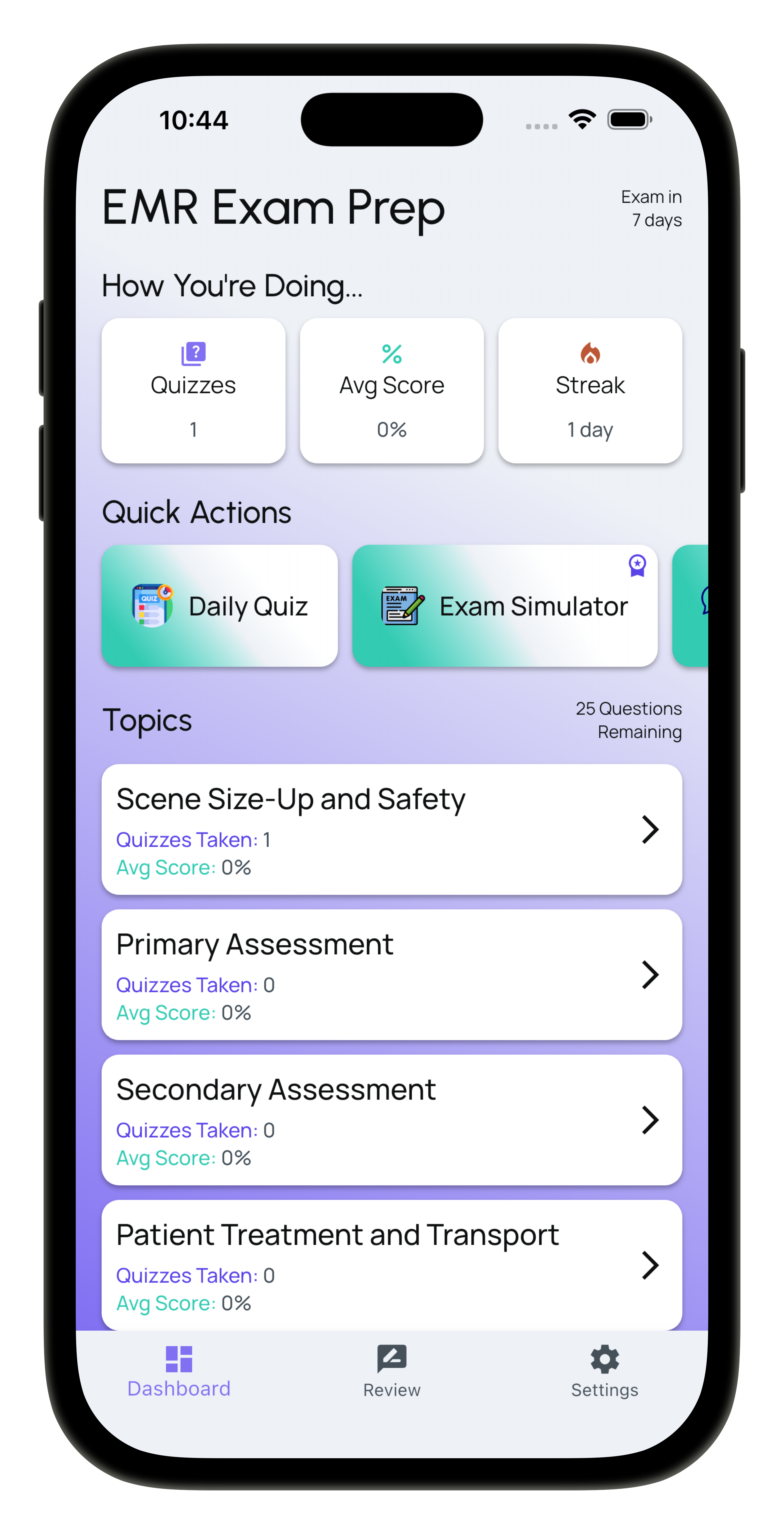
Becoming an Emergency Medical Responder (EMR) is not just a stepping stone into the world of emergency medical services; it’s an opportunity to make a significant impact in your community. Engaging in volunteer EMR programs can provide valuable hands-on experience while allowing you to serve those in need. In this blog post, we’ll explore basic emergency medical concepts and skills, share practical training and study tips, provide real-world application examples, offer career guidance, and emphasize safety considerations and best practices. Let’s dive in!
Understanding Basic Emergency Medical Concepts and Skills
As an aspiring EMR, your training will cover essential concepts and skills that form the foundation of emergency medical care. Here are some key areas to focus on:
1. Basic Life Support (BLS)
- CPR Techniques: Learn the proper methods for performing cardiopulmonary resuscitation (CPR) on adults, children, and infants. This includes chest compressions and rescue breaths.
- Use of AEDs: Familiarize yourself with Automated External Defibrillators (AEDs) and their importance in treating sudden cardiac arrest.
2. First Aid Skills
- Wound Care: Understand how to clean and dress wounds to prevent infection.
- Choking Relief: Learn how to perform the Heimlich maneuver and other techniques for assisting choking victims.
- Managing Shock: Recognize the signs of shock and the immediate steps you can take to stabilize a patient.
3. Patient Assessment
- Primary Assessment: Learn how to quickly assess a patient’s airway, breathing, and circulation.
- Secondary Assessment: Understand how to conduct a thorough examination and gather vital information about the patient’s condition.
Mastering these skills is crucial for anyone entering the field of emergency medical services. Use your EMR Exam Prep training app to practice these concepts with quizzes and scenarios that simulate real-life situations.
Practical Training and Study Tips
Success as an EMR hinges not just on understanding theoretical concepts, but also on developing practical skills. Here are some actionable study tips to enhance your training:
1. Hands-On Practice
- Participate in Simulations: Engage in training sessions that mimic real emergency scenarios. This will help you apply your knowledge under pressure.
- Join Study Groups: Collaborate with fellow students to practice skills and quiz each other on key concepts.
2. Use Study Resources Wisely
- Leverage the EMR Exam Prep App: Utilize practice questions and flashcards to reinforce your learning. Make a habit of reviewing materials regularly, focusing on areas where you feel less confident.
- Create Visual Aids: Draw diagrams or charts for complex skills, like the steps for CPR or the anatomy of the human body.
3. Seek Feedback
- Work with Instructors: Don’t hesitate to ask your instructors for feedback on your techniques. Constructive criticism can help you improve more quickly.
Real-World Application Examples
Volunteering as an EMR provides opportunities to apply your skills in real-world settings. Here are a few scenarios you might encounter:
1. Community Events
- Sporting Events: As an EMR volunteer at a local sports game, you might respond to injuries like sprains, fractures, or heat exhaustion. Your knowledge of first aid and patient assessment will be crucial.
2. Disaster Response
- Natural Disasters: During events such as floods or tornadoes, EMRs may assist in triaging patients and providing basic medical care. Understanding how to manage multiple patients and prioritize care can save lives.
3. Public Education
- Hosting Workshops: Many EMRs participate in community education initiatives, teaching CPR and first aid to the public. This not only benefits your community but also reinforces your own skills.
Every experience you gain as a volunteer deepens your understanding and prepares you for more advanced roles in emergency services.
Career Guidance for New EMRs
Embarking on a career as an EMR can lead to various paths in the healthcare field. Here’s how to navigate your career journey:
1. Network in Your Community
- Connect with Local EMS Services: Attend meetings or events where you can meet professionals in the field. Networking can lead to job opportunities and mentorship.
2. Consider Further Education
- Pursue Advanced Certifications: After gaining experience as an EMR, consider advancing to an EMT or paramedic certification. These roles offer greater responsibilities and the opportunity to provide more comprehensive care.
3. Stay Informed
- Continuing Education: Keep up with the latest developments in emergency medicine. Online courses and workshops can enhance your knowledge and skills.
Safety Considerations and Best Practices
As an EMR, ensuring your safety and that of your patients is paramount. Here are some best practices:
1. Personal Protective Equipment (PPE)
- Always wear appropriate PPE, such as gloves and masks, to protect yourself and your patients from infections.
2. Assessing the Scene
- Before approaching a patient, ensure the scene is safe. Look for hazards like traffic, fire, or unstable structures.
3. Communication
- Clear communication with your team and other responders is critical. Use radio or verbal communication effectively to convey information about the patient and the situation.
4. Documentation
- Maintain accurate records of your assessments and interventions. This information is vital for ongoing patient care and legal purposes.
Conclusion
Volunteering as an Emergency Medical Responder not only allows you to serve your community but also builds a strong foundation for a rewarding career in emergency medical services. By mastering essential skills, engaging in practical training, and adhering to safety protocols, you can make a positive impact while advancing your career.
At EMR Exam Prep, we’re committed to supporting you on your journey. Utilize our comprehensive study resources to prepare for your certification, and remember, every small step you take contributes to making a difference. Start your journey today and become an integral part of your community’s emergency response team!
Starting your EMR certification journey? Try EMR Exam Prep for practice questions and study materials designed to help you succeed as an Emergency Medical Responder.