EMT Exam Prep 2025
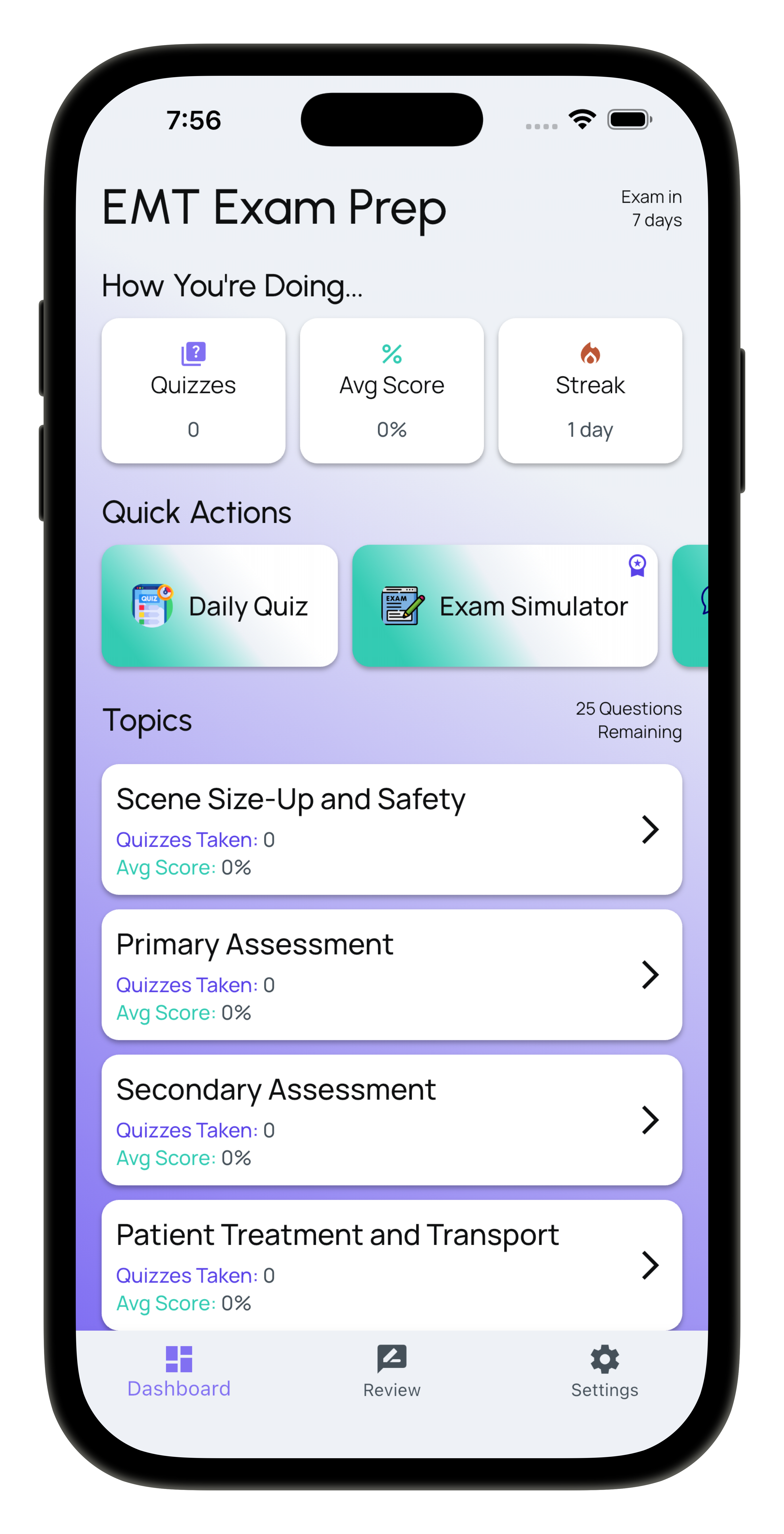
Emergency Medical Technicians (EMTs) and first responders are on the front lines of healthcare, often facing chaotic and high-stress situations that can take a toll on mental and emotional well-being. The demanding nature of this profession requires not only clinical skills but also effective stress management techniques to maintain high performance, ensure patient safety, and promote personal well-being. In this blog post, we will explore practical strategies for managing stress that will not only help you through your EMT training but also prepare you for a successful career in emergency medicine.
Understanding Stress in Emergency Services
EMTs and first responders frequently encounter traumatic incidents, overwhelming workloads, and unpredictable environments. These stressors can lead to burnout, compassion fatigue, and other mental health issues if not managed effectively. Recognizing the signs of stress—such as irritability, fatigue, or difficulty concentrating—is the first step toward implementing effective coping mechanisms.
1. Cultivating Mindfulness and Self-Awareness
One of the most effective ways to manage stress is by cultivating mindfulness. This practice encourages present-moment awareness and can help you better navigate the emotional challenges of your work.
Practical Techniques:
- Mindful Breathing: Take a few moments during your shift to focus on your breath. Inhale deeply for a count of four, hold for four, and exhale for six. This can help ground you in the present moment and reduce anxiety.
- Body Scans: Spend a few minutes checking in with your body. Notice any areas of tension and consciously relax those muscles. This can be done during a break to recharge mentally and physically.
Study Tip: Incorporate mindfulness practices into your study routine. Before beginning your study session with the EMT Exam Prep app, take a few minutes to breathe deeply and set a focused intention for your learning.
2. Building a Support Network
Having a robust support network is crucial for managing stress in the high-pressure environment of emergency services. Connecting with colleagues who understand the unique challenges you face can provide a sense of camaraderie and relief.
Practical Techniques:
- Peer Support Groups: Join or form a peer support group within your department or community. Regular meetings can provide a safe space to share experiences, challenges, and coping strategies.
- Mentorship: Seek out a mentor who can provide guidance, share experiences, and offer support as you navigate your EMT training and career.
Study Tip: When studying with peers, create a safe learning environment where you can share your uncertainties and questions. This collaborative approach not only enhances understanding but also reinforces your support network.
3. Prioritizing Physical Health
Physical health is inextricably linked to mental well-being. As an EMT, maintaining your physical health is essential not only for your own resilience but also for the safety of the patients you serve.
Practical Techniques:
- Regular Exercise: Aim for at least 30 minutes of physical activity most days of the week. This can be as simple as walking, jogging, or participating in group fitness classes. Exercise releases endorphins, which can significantly improve your mood.
- Nutrition: Fuel your body with nutritious foods. Prioritize a balanced diet rich in fruits, vegetables, proteins, and whole grains. Avoid excessive caffeine and sugar, which can lead to energy crashes and increased anxiety.
Study Tip: Consider incorporating short workout breaks into your study sessions. A quick physical activity can refresh your mind and improve concentration when preparing for the EMT certification exam.
4. Developing Coping Strategies
Recognizing that stress is a normal part of your role as an EMT is crucial. Developing healthy coping strategies can equip you to handle stress effectively.
Practical Techniques:
- Journaling: Maintain a journal where you can express your thoughts and feelings about your experiences. This reflective practice can help you process emotions and identify patterns in your stress responses.
- Time Management: Organize your time effectively to reduce feeling overwhelmed. Break down study material into manageable chunks and set specific, achievable goals for each session.
Study Tip: Use the EMT Exam Prep app to create a study schedule that allocates time for breaks and self-care. This structured approach will help you manage your learning while reducing stress levels.
Conclusion
As you prepare for your EMT certification and a fulfilling career in emergency medical services, it is essential to prioritize stress management. By cultivating mindfulness, building a support network, prioritizing physical health, and developing coping strategies, you can enhance your resilience and overall well-being. Remember, taking care of yourself is not only vital for your success but also for the safety and care of your patients.
At EMT Exam Prep, we are dedicated to supporting your journey toward certification and professional development. By incorporating these stress management techniques into your routine, you can approach your studies and future role with confidence and clarity, ultimately leading you to success in your EMT career.
Ready to become a certified EMT? Try EMT Exam Prep 2025 for comprehensive NREMT-style practice questions with detailed explanations covering all essential certification content areas.