EMR Exam Prep
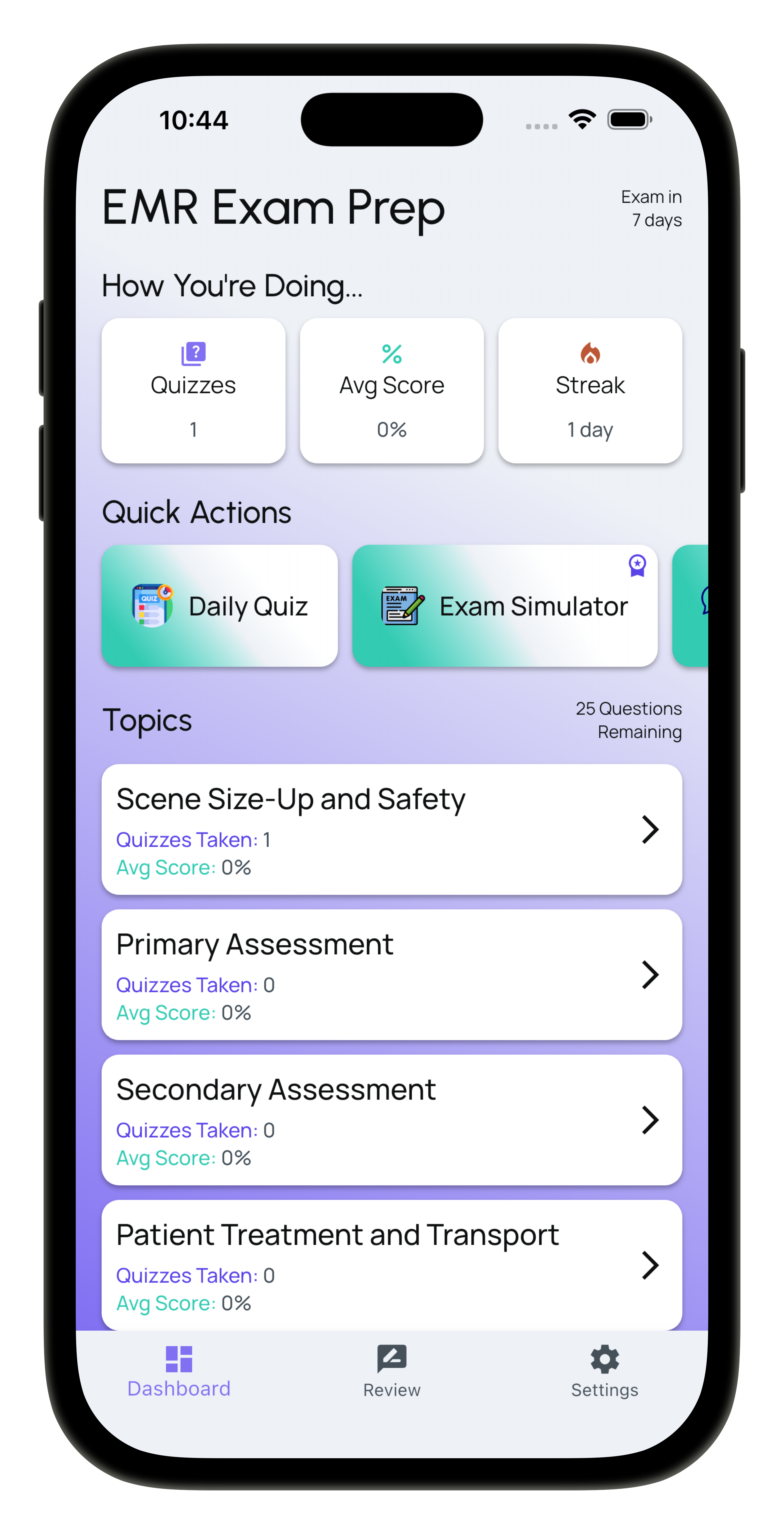
Embarking on a journey in Emergency Medical Services (EMS) is both thrilling and rewarding. As an Emergency Medical Responder (EMR), you lay the foundation for a career that can save lives and make a profound difference in your community. Transitioning from EMR to higher levels of EMS certification—such as Emergency Medical Technician (EMT) or Paramedic—requires dedication, knowledge, and skills that expand on your initial training. In this blog post, we will explore essential emergency medical concepts, practical training tips, real-world applications, career guidance, and safety considerations to help you succeed as you advance in your EMS career.
Understanding Basic Emergency Medical Concepts
Before transitioning to higher levels of certification, it’s crucial to master the basic concepts and skills that form the backbone of emergency medical care. Here are some key areas to focus on:
1. Basic Life Support (BLS)
Understanding BLS is fundamental. This includes CPR (cardiopulmonary resuscitation) techniques for adults, children, and infants, as well as the use of Automated External Defibrillators (AEDs). As you progress to EMT and Paramedic training, you’ll deepen your knowledge of advanced airway management, pharmacology, and cardiac care.
2. First Aid Skills
A solid foundation in first aid skills, such as wound care, splinting fractures, and managing choking incidents, is essential. As you move up the ranks, these skills will be enhanced with more advanced techniques and expanded protocols.
3. Patient Assessment
Learning how to perform a thorough patient assessment is critical. This includes understanding the signs and symptoms of various medical conditions, as well as being able to gather a patient history effectively. This skill will be crucial as you transition to EMT and Paramedic roles where assessments become more complex.
Practical Training and Study Tips
Transitioning to higher EMS certifications requires diligent study and practice. Here are some effective training tips:
1. Utilize Study Resources
Use the EMR Exam Prep app to access practice questions and study materials tailored for your certification level. Focus on areas you find challenging and revisit them regularly to reinforce your understanding.
2. Engage in Hands-On Practice
Seek opportunities for hands-on practice through local EMS agencies or community programs. Participate in simulations and drills to apply your skills in a controlled environment. The more you practice, the more confident you will become.
3. Join Study Groups
Collaborating with peers can enhance your learning experience. Join or form study groups with fellow EMR students or those pursuing higher certifications. This allows you to share knowledge, quiz each other, and clarify doubts.
4. Shadow Experienced Responders
If possible, shadow experienced EMTs or Paramedics during their shifts. Observing real-world applications of your training will provide insight into the daily responsibilities and challenges faced in the field.
Real-World Application Examples
Understanding how your training applies in real-world scenarios can motivate and prepare you for what lies ahead. Here are a few examples:
1. Responding to Cardiac Arrest
As an EMR, you may be the first on the scene of a cardiac arrest. Your training in BLS can be the difference between life and death. Remember to call for help immediately, begin CPR, and use an AED as soon as it is available.
2. Managing Trauma Patients
In a trauma scenario, such as a vehicle collision, your ability to assess and manage bleeding, immobilize fractures, and monitor vital signs is crucial. As you advance, learning about advanced trauma life support (ATLS) will further enhance your skills.
3. Handling Breathing Emergencies
Understanding how to assess and manage patients with respiratory distress is vital. As an EMR, you may provide supplemental oxygen and position the patient to ease their breathing. As you progress to EMT or Paramedic, you will learn advanced airway management techniques.
Career Guidance for New EMRs
As you embark on your EMS career, consider the following guidance:
1. Set Clear Goals
Outline your career objectives. Do you aspire to become an EMT, Paramedic, or specialize in a specific area of EMS? Setting clear goals will help guide your education and training decisions.
2. Seek Mentorship
Find a mentor in the EMS field who can provide guidance, support, and insight into the profession. Their experiences can help you navigate the challenges you may face along the way.
3. Stay Informed
The field of EMS is constantly evolving. Stay informed about new protocols, technologies, and best practices by attending workshops, seminars, and online courses. Continuous education is key to professional growth.
4. Network with Professionals
Join EMS organizations, attend conferences, and participate in local EMS events. Building a network of professionals can open doors to opportunities and provide valuable resources as you advance your career.
Safety Considerations and Best Practices
Safety is paramount in EMS. Here are some best practices to keep in mind:
1. Personal Safety First
Always assess the scene for potential hazards before entering. Your safety is crucial, as you cannot help others if you become a victim yourself.
2. Follow Protocols and Procedures
Adhering to established protocols and procedures ensures not only your safety but also that of your patients. Regularly review protocols as they can change over time.
3. Communicate Effectively
Clear communication with the team and the patient is vital. Use appropriate terminology and ensure everyone is on the same page to provide the best care possible.
4. Practice Self-Care
The demands of EMS can be intense. Make time for self-care and mental health support. Engaging in physical activity, hobbies, and spending time with loved ones can help you recharge.
Conclusion
Transitioning from EMR to higher levels of EMS certification is an exciting journey filled with opportunities for growth and learning. By mastering basic emergency medical concepts, utilizing effective study techniques, gaining real-world experiences, and prioritizing safety, you will be well-prepared to take your EMS career to the next level. Remember, the EMR Exam Prep app is here to support you every step of the way. Your commitment to learning and serving your community is commendable—keep pushing forward as you make a difference in the world of emergency medical services!
Starting your EMR certification journey? Try EMR Exam Prep for practice questions and study materials designed to help you succeed as an Emergency Medical Responder.