Am I Good? - Simple Budgeting
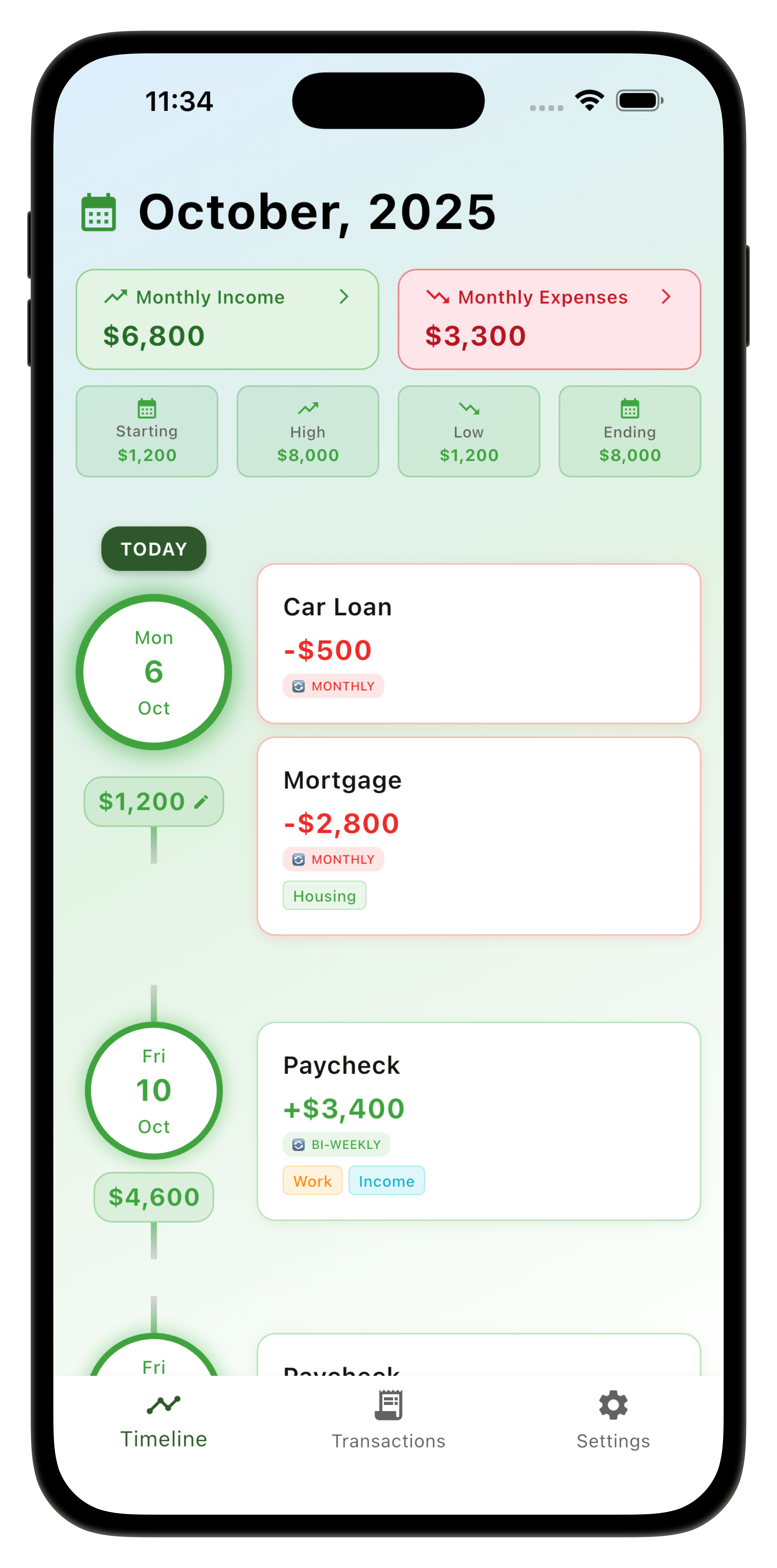
In today’s digital world, financial privacy and data security have become more critical than ever. With an increasing number of apps and platforms asking for personal information, it can feel overwhelming to navigate your financial landscape. Luckily, maintaining your financial privacy doesn’t have to be complicated or stress-inducing. Here, we’ll explore the importance of financial privacy, share practical strategies for safeguarding your data, and introduce simple budgeting techniques and mindset shifts to help you manage your money with confidence and ease.
Why Financial Privacy Matters
Financial privacy is about more than just keeping your bank account numbers safe; it’s about protecting your financial identity and ensuring that your personal information is not misused. Here are a few reasons why financial privacy is essential:
-
Identity Theft Prevention: Financial information can be a goldmine for identity thieves. By keeping your data private, you reduce the risk of someone using your information for fraudulent activities.
-
Peace of Mind: Knowing that your financial details are secure can alleviate anxiety and allow you to focus on your financial goals rather than worrying about potential breaches.
-
Control Over Your Data: Financial privacy gives you the power to choose what information you share and with whom. This control can help you maintain a sense of autonomy over your finances.
Practical Strategies for Maintaining Financial Privacy
Here are some easy-to-implement strategies to enhance your financial privacy:
1. Use Secure Passwords
Create strong, unique passwords for all your financial accounts, and consider using a password manager for added security. A good password should be a mix of letters, numbers, and symbols, and avoid using easily guessed information like birthdays or pet names.
2. Limit Information Sharing
Be mindful of the information you share online and with financial apps. Many budgeting apps request excessive personal data. Choose privacy-focused solutions like Am I Good, which allows you to track your income and expenses without requiring unnecessary information.
3. Regularly Monitor Your Accounts
Check your bank and credit card statements regularly for any unauthorized transactions. Catching discrepancies early can help you address issues before they escalate.
Simple Budgeting Techniques
Budgeting doesn’t have to be complicated or time-consuming. Here are some straightforward techniques to help you manage your finances while respecting your privacy:
1. The 50/30/20 Rule
This simple budgeting method divides your income into three categories:
- 50% for Needs: Essentials like housing, groceries, and utilities.
- 30% for Wants: Non-essential items that enhance your quality of life.
- 20% for Savings and Debt Repayment: Prioritize saving for emergencies and paying down debt.
By breaking your budget down into these categories, you can gain clarity on where your money is going without feeling overwhelmed.
2. Track Cash Expenses
Instead of relying solely on digital transactions, consider using cash for discretionary spending. This method not only keeps your spending in check but also minimizes the digital footprint of your financial activities.
3. Set Up a Simple Expense Tracker
A straightforward expense tracker can help you stay on top of your finances without the complexity of traditional budgeting software. Consider jotting down your expenses in a notebook or using a simple app that doesn’t require personal data. This allows you to visualize your spending without sacrificing your privacy.
Mindset Shifts for Stress-Free Money Management
Adopting a positive mindset around money can significantly reduce stress. Here are a few mindset shifts to consider:
1. Embrace Financial Awareness
Instead of fearing your financial situation, embrace it. Having a clear understanding of your income and expenses empowers you to make informed decisions.
2. Focus on Progress, Not Perfection
It’s essential to recognize that budgeting is a journey. Celebrate small wins, whether it’s sticking to your budget for a week or successfully saving for a minor goal.
3. Practice Gratitude
Regularly reflecting on what you’re grateful for can help shift your focus away from financial worries. This practice can encourage a healthier relationship with money, making it feel less like a burden and more a tool for achieving your goals.
Real-World Examples
Let’s look at a couple of real-world scenarios to illustrate how these principles can be applied:
Example 1: The Military Family
Consider a military family that relocates frequently. They might face unique financial challenges, such as fluctuating income and unexpected expenses. By using simple budgeting techniques like the 50/30/20 rule, they can adapt their budget to account for variations in income while maintaining their privacy by choosing not to share personal details with complex apps.
Example 2: The Busy Professional
Imagine a busy professional who feels overwhelmed by the complexities of financial management. By shifting to a mindset that emphasizes financial awareness and progress, they can begin tracking their expenses with a simple notebook. This allows them to gain clarity without the anxiety of navigating a complex budgeting app.
Conclusion: Take Control of Your Financial Future
In conclusion, financial privacy and data security are vital components of a healthy financial life. By implementing practical strategies, embracing simple budgeting techniques, and shifting your mindset, you can manage your finances in a way that feels approachable and stress-free. Remember that it’s not about perfection; it’s about progress.
At Am I Good, we believe that financial wellness should be simple and private. By focusing on straightforward habits, you can achieve your financial goals while keeping your personal information secure. Start your journey toward financial privacy today, and take control of your financial future—one step at a time!
Ready for simple, private budgeting? Try Am I Good? and track your income and expenses effortlessly—no accounts, no data sharing, just straightforward financial awareness.