EMT Exam Prep 2025
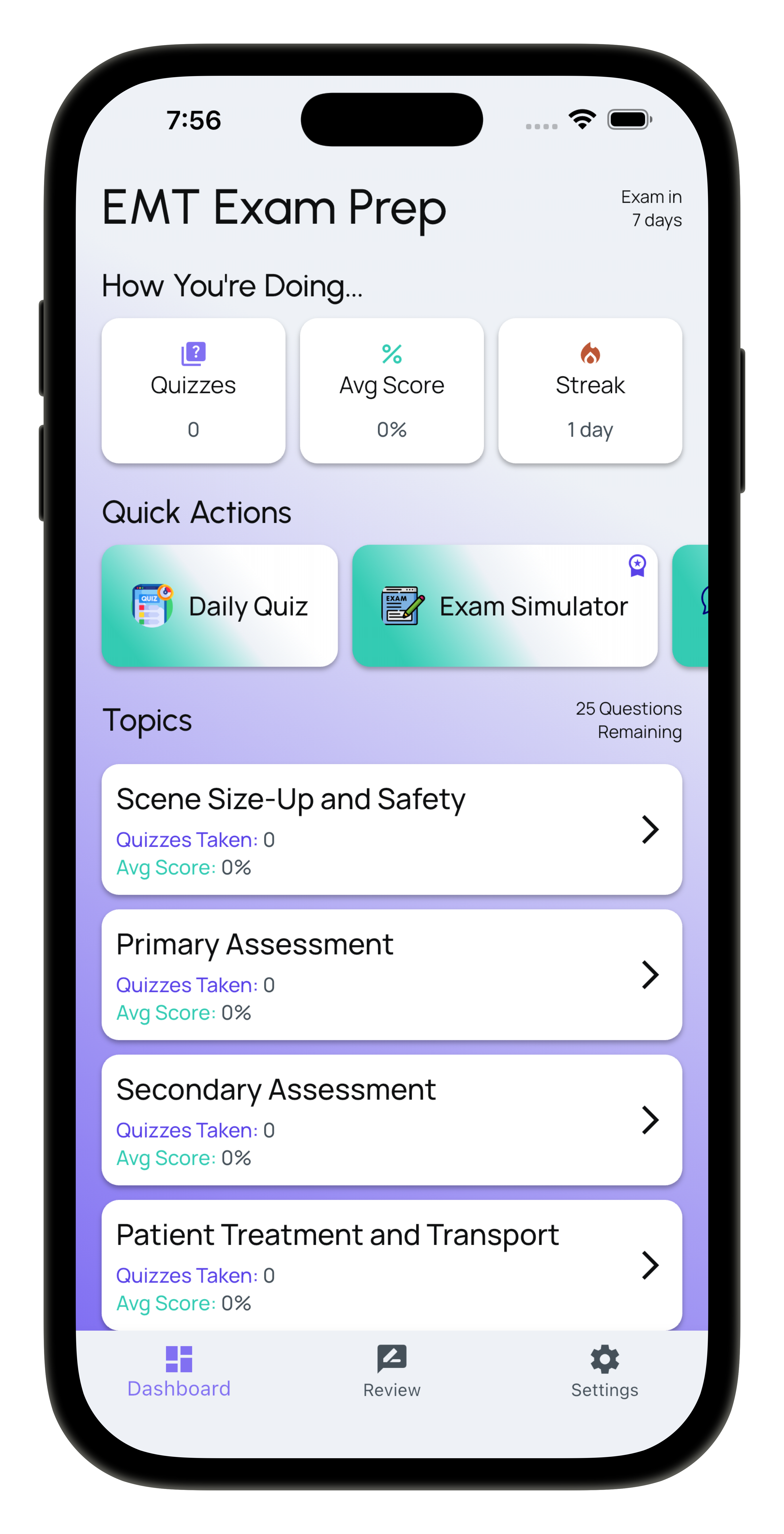
As an emergency medical technician (EMT), a solid understanding of pharmacology is crucial not only for passing your certification exam but also for delivering effective patient care in high-pressure situations. Pharmacology encompasses the study of drugs, their effects on the body, and their therapeutic uses, which are all fundamental components of your role as a first responder. This blog post will provide you with essential pharmacological knowledge, effective study strategies, and practical insights to enhance your preparation for the EMT certification exam.
Understanding Pharmacology in Emergency Medical Services
Pharmacology is divided into several key areas that every EMT should master:
- Types of Medications: Familiarize yourself with the various categories of medications commonly used in emergency settings. This includes:
- Analgesics: Pain relievers like acetaminophen and ibuprofen.
- Antipyretics: Medications that reduce fever.
- Antihistamines: Used for allergic reactions, such as diphenhydramine.
- Bronchodilators: Medications like albuterol that help open airways in asthma patients.
- Anticoagulants: Blood thinners like aspirin or heparin to prevent clotting.
-
Routes of Administration: Understand the different methods by which medications can be administered, including oral, intravenous (IV), intramuscular (IM), subcutaneous, and inhalation. Each route affects the onset and duration of drug action, which is vital to patient care.
-
Indications and Contraindications: Know the specific conditions or situations where certain medications should or should not be administered. For instance, nitroglycerin is indicated for chest pain due to angina but contraindicated in patients with hypotension.
- Dosage Calculations: Mastering dosage calculations is essential. Understand how to determine the correct dosage based on a patient’s weight and age. Key formulas, such as the weight-based dosage (mg/kg), can help ensure patient safety.
Study Strategies for Pharmacology
Effective study strategies are essential for mastering pharmacology and preparing for the NREMT exam. Here are some actionable tips to enhance your learning experience:
-
Utilize NREMT-style Practice Questions: Engage with practice questions that mimic the NREMT format. This will not only familiarize you with the types of questions you’ll encounter but also help reinforce your pharmacological knowledge.
-
Create Flashcards: Develop flashcards for key terms, drug classifications, and their indications. This method aids in memorization and allows for quick reviews.
-
Group Study Sessions: Collaborate with fellow EMT candidates to discuss pharmacological concepts. Teaching and quizzing each other can reinforce your understanding and uncover gaps in your knowledge.
-
Leverage Technology: Use the EMT Exam Prep mobile app to access interactive quizzes and detailed explanations of pharmacological principles. Incorporating technology into your study routine can make learning more engaging and effective.
-
Regular Revision: Schedule consistent review sessions throughout your study period. Revisiting pharmacological concepts regularly will help solidify your knowledge and improve retention.
Practical Insights into Medication Administration
It is important to not only understand pharmacology in theory but also to apply this knowledge in practice. Here are some clinical insights to consider:
-
Patient Assessment: Always conduct a thorough patient assessment before administering medications. This includes obtaining vital signs, medical history, and allergies to prevent adverse reactions.
-
Medication Errors: Be aware of common medication errors and how to prevent them. Double-check dosages, verify patient identification, and ensure you are administering the correct medication.
-
Patient Education: Educate patients about the medications you administer. Providing information on possible side effects and the importance of adherence can enhance patient outcomes.
-
Monitoring Effects: After administering medications, closely monitor the patient for therapeutic effects as well as potential adverse reactions. Documenting these observations is critical for ongoing patient care.
Conclusion
A deep understanding of pharmacology is essential for EMT certification success and effective patient care. By mastering drug classifications, routes of administration, dosage calculations, and the practical application of this knowledge, you will be well-equipped to handle the challenges of emergency medical services. Utilize the study strategies outlined in this post, and make the most of resources like the EMT Exam Prep mobile app to further enhance your preparation. Remember, your ability to administer medications safely and effectively can significantly impact patient outcomes, making pharmacology a fundamental component of your EMT training. Embrace this knowledge, and you’ll not only excel in your certification exam but also in your career as an emergency medical technician.
Ready to become a certified EMT? Try EMT Exam Prep 2025 for comprehensive NREMT-style practice questions with detailed explanations covering all essential certification content areas.