EMR Exam Prep
Entering the world of emergency medical response can feel overwhelming, especially for those new to the field. As an aspiring Emergency Medical Responder (EMR), building confidence in your skills and knowledge is key to delivering effective care in high-pressure situations. This blog post will guide you through essential emergency medical concepts, practical training tips, real-world applications, career insights, and safety considerations to help you succeed in your journey. With the right preparation and mindset, you’ll be well on your way to becoming a confident and capable EMR.
Understanding Basic Emergency Medical Concepts and Skills
Before you can build confidence, it’s crucial to grasp the foundational knowledge that underpins emergency medical response. Here are some key concepts and skills every EMR should understand:
1. Basic Life Support (BLS)
BLS is a critical skill set for EMRs. It includes:
- CPR (Cardiopulmonary Resuscitation): Learning the correct techniques for chest compressions and rescue breaths can save lives during cardiac emergencies.
- AED (Automated External Defibrillator) Use: Familiarize yourself with how to operate an AED, as it is a vital tool in restoring a normal heart rhythm.
2. First Aid Skills
- Wound Care: Understanding how to clean and dress wounds, as well as recognizing signs of infection, is fundamental.
- Splinting and Immobilization: Knowing how to properly splint fractures can prevent further injury and provide comfort to the patient.
- Recognizing Medical Emergencies: Learn to identify signs and symptoms of common conditions such as strokes, heart attacks, and allergic reactions.
3. Patient Assessment
- Primary Assessment: Master the ABCs (Airway, Breathing, Circulation) to quickly evaluate a patient’s condition.
- Secondary Assessment: Be prepared to gather detailed information about the patient’s medical history and current symptoms.
Practical Training and Study Tips
As you embark on your training, it’s essential to develop effective study habits and hands-on skills. Here are some actionable tips to enhance your learning experience:
1. Utilize EMR Exam Prep Resources
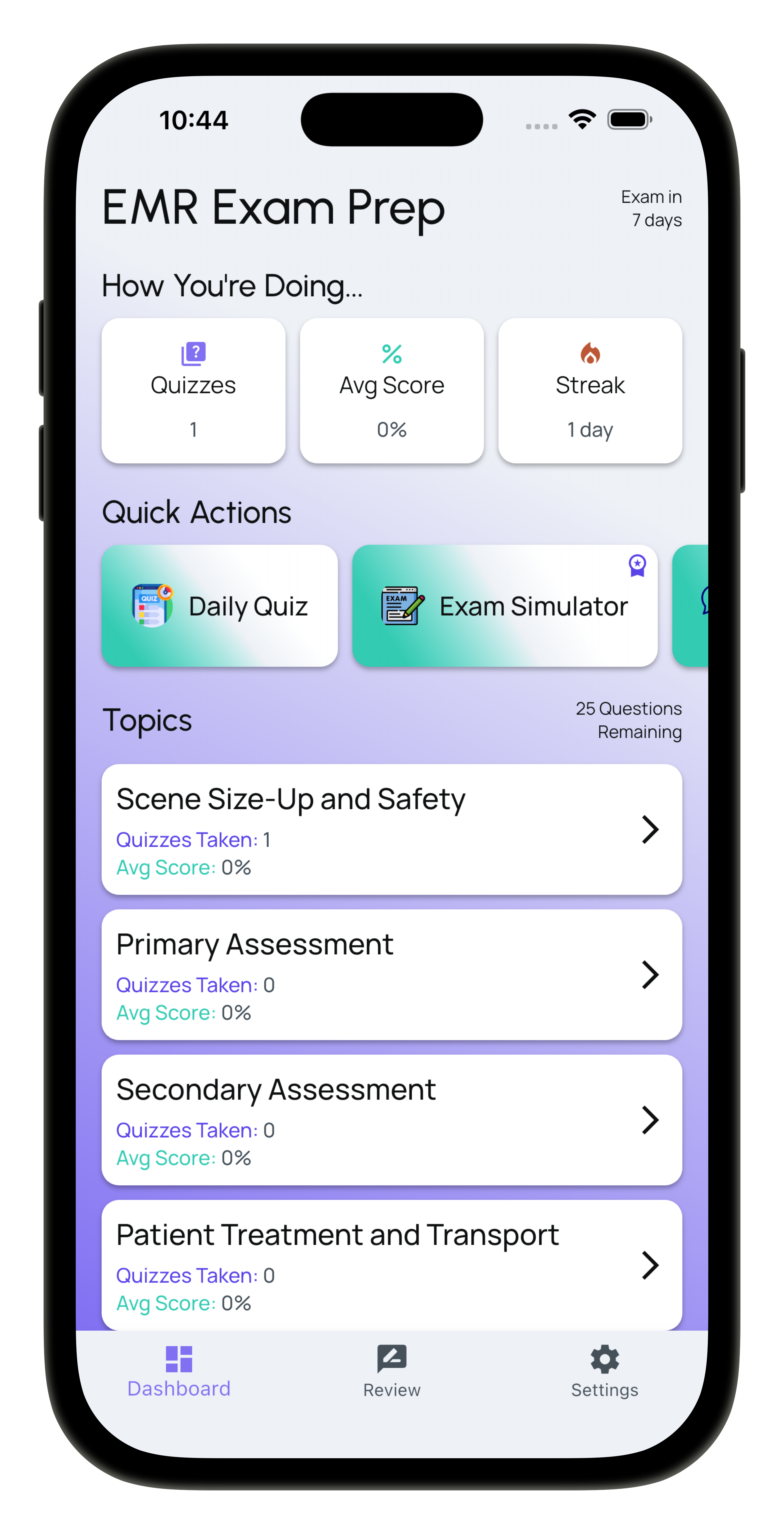
Take advantage of the EMR Exam Prep app, which provides practice questions and study materials tailored for your certification. Regularly testing your knowledge can significantly boost your confidence.
2. Engage in Hands-On Training
Participate in skills labs and simulations offered in your training course. Practicing scenarios in a controlled environment helps reinforce your skills and prepares you for real-life emergencies.
3. Form Study Groups
Connect with fellow EMR students to review concepts and quiz each other. Collaborative learning can provide different perspectives and help clarify challenging topics.
4. Reflect on Your Learning
After each training session or simulation, take a moment to reflect on what you learned. Identify areas where you excelled and areas that may need improvement. This self-assessment will help you track your progress and build confidence over time.
Real-World Application Examples
Understanding how your training translates to real-world scenarios is crucial for building confidence. Here are a few examples:
Scenario 1: Cardiac Arrest
Imagine you are first on the scene of a cardiac arrest. You remember your training: assess the scene for safety, call for help, and begin CPR immediately. You feel a surge of confidence as you utilize the skills you practiced, knowing you are making a difference.
Scenario 2: Wound Care
While volunteering at a community event, you encounter a patron who has cut their arm. You quickly assess the wound, apply direct pressure to control bleeding, and clean the area before dressing it. Your confidence comes from knowing you can provide effective care.
Scenario 3: Responding to a Medical Emergency
You’re at a family gathering when a relative suddenly collapses. Thanks to your training, you recognize the signs of a stroke and act quickly, helping to ensure they receive the treatment they need. Your ability to remain calm and act decisively comes from the preparation you’ve invested in your EMR training.
Career Guidance for New EMRs
As you build your confidence in emergency medical response, consider these steps to enhance your career prospects:
1. Volunteer Opportunities
Seek out local EMS agencies or community organizations that allow you to volunteer as an EMR. This experience not only builds your skills but also expands your professional network.
2. Continuing Education
Consider pursuing additional certifications or courses, such as Advanced Cardiac Life Support (ACLS) or Pediatric Advanced Life Support (PALS). These credentials can enhance your qualifications and confidence level.
3. Mentorship
Connect with experienced EMRs or paramedics who can offer guidance and support. Their insights can help you navigate your career path and provide reassurance during challenging situations.
Safety Considerations and Best Practices
Safety should always be your top priority in emergency medical response. Here are some best practices to keep in mind:
1. Personal Safety
Never compromise your safety for that of others. Always assess the scene for hazards before approaching a patient.
2. Infection Control
Practice proper hygiene and use personal protective equipment (PPE) when necessary to reduce the risk of infection for both you and the patient.
3. Follow Protocols
Familiarize yourself with your local EMS protocols and guidelines. Adhering to established procedures ensures you provide safe and effective care.
4. Stay Calm Under Pressure
In emergency situations, maintaining a calm demeanor can positively influence your ability to assess and treat patients. Practice relaxation techniques to help manage stress.
Conclusion
Building confidence as an Emergency Medical Responder takes time, practice, and a commitment to ongoing learning. By mastering basic skills, engaging in hands-on training, and applying your knowledge in real-world scenarios, you will become a more capable and confident responder. Utilize resources like EMR Exam Prep to support your studies and remember that every experience is an opportunity for growth. Your journey in emergency medical response is just beginning, and with dedication, you can make a meaningful impact in your community. Embrace the challenges ahead, and know that you are well-equipped to rise to the occasion!
Starting your EMR certification journey? Try EMR Exam Prep for practice questions and study materials designed to help you succeed as an Emergency Medical Responder.