Am I Good? - Simple Budgeting
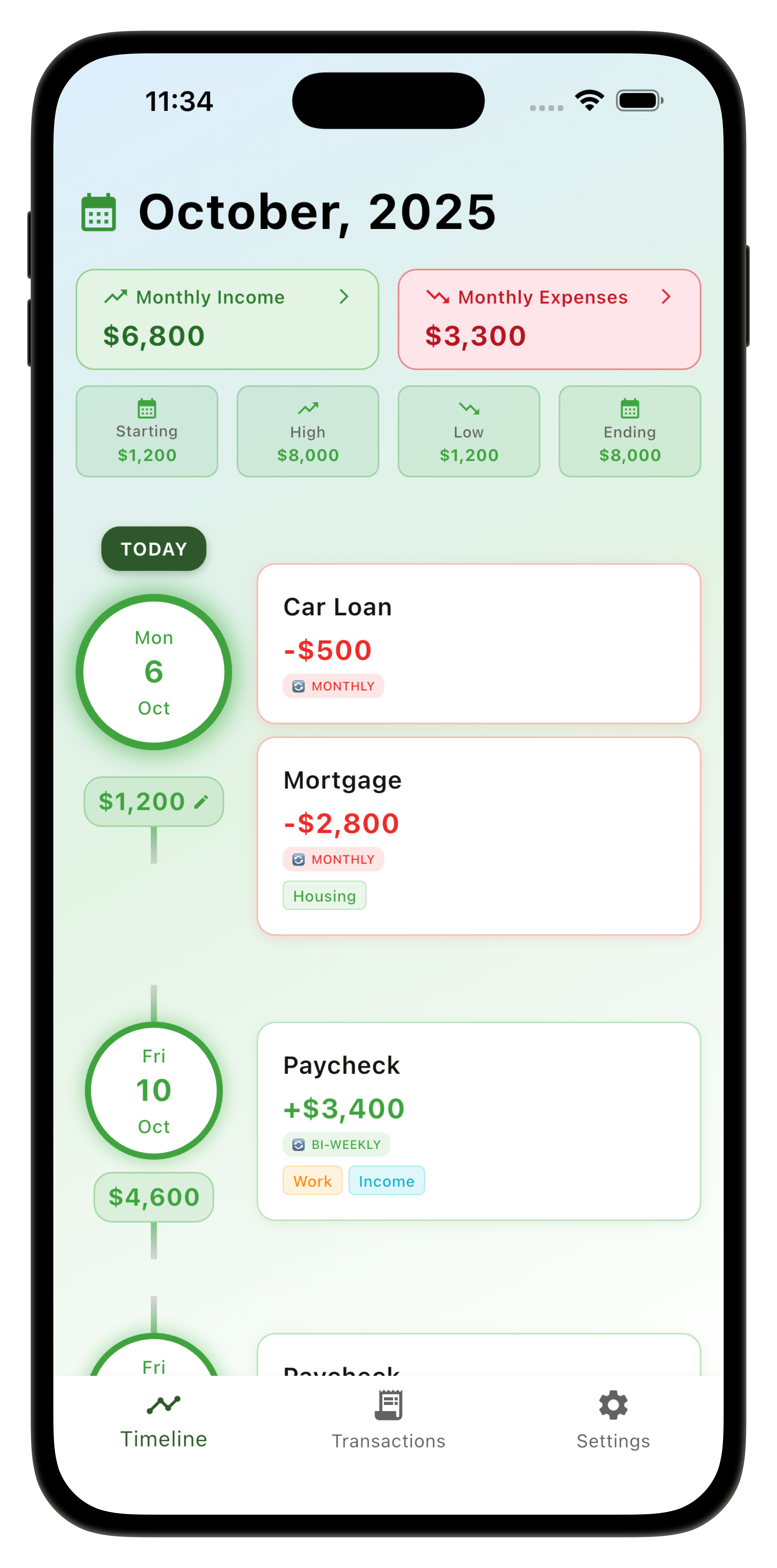
In today’s digital landscape, managing your finances can feel overwhelming, especially with the constant flood of information and countless apps promising to simplify your life. However, if you value your privacy and prefer a straightforward approach to budgeting, you’re in the right place. Here, we’ll explore practical strategies for financial management that respect your privacy while keeping things simple and stress-free.
The Importance of Financial Privacy
Before diving into strategies, let’s take a moment to understand why financial privacy matters. In an age where data breaches and privacy concerns are prevalent, safeguarding your financial information is paramount. By choosing privacy-focused financial management, you protect yourself from identity theft, unwanted marketing, and the anxiety of having your financial habits scrutinized by third parties.
Practical, Easy-to-Implement Financial Strategies
-
Track Income and Expenses Manually: You don’t need a complicated app to understand your finances. Start by jotting down your income and expenses in a notebook or a simple spreadsheet. This practice not only helps you stay aware of your cash flow but also keeps your financial data private—no sharing required.
-
Set a Monthly Budget: Allocate your income to various categories such as essentials, savings, and discretionary spending. Keep it simple—just determine how much you want to spend in each area. A basic 50/30/20 rule can be a good starting point: 50% for needs, 30% for wants, and 20% for savings.
-
Use Envelopes for Cash Spending: If you prefer tangible methods, consider the envelope system. Withdraw cash for each budget category and place it in labeled envelopes. Once the cash is gone, you know you’ve reached your limit for that category. This method encourages discipline without requiring complex tracking tools.
Tips for Maintaining Financial Privacy
-
Limit Data Sharing: Choose financial tools and apps that don’t require personal information or account linking. Am I Good, for example, allows you to track your finances without creating accounts or sharing data, ensuring your information stays private.
-
Be Cautious With Public Wi-Fi: Avoid accessing financial accounts or apps over public Wi-Fi networks. If you must, use a Virtual Private Network (VPN) to add an extra layer of security. This protects your data from prying eyes.
-
Regularly Review Your Financial Statements: Keep an eye on your bank and credit card statements for any unauthorized transactions. Regular reviews allow you to catch potential fraud early, reducing the risk of identity theft.
Simple Budgeting Techniques and Mindset Shifts
-
Shift Your Focus to Needs vs. Wants: Cultivating a mindset that prioritizes needs over wants can ease the budgeting process. Ask yourself if a purchase is essential or if it can wait. This simple question can help eliminate impulse buys and promote mindful spending.
-
Practice Gratitude for What You Have: Acknowledging and appreciating what you already possess can reduce the desire for unnecessary purchases. Consider keeping a gratitude journal where you note things you’re thankful for that don’t require spending.
-
Celebrate Small Wins: Each time you stick to your budget or save money, take a moment to celebrate. This positive reinforcement can help you maintain your budget and develop healthier financial habits over time.
Real-World Examples That Resonate
-
The Military Family: Consider a military family that moves frequently. They find it challenging to keep track of varying expenses. By using a simple cash envelope system, they can quickly adapt their budgeting to new local costs, all while maintaining their financial privacy.
-
The Recent Graduate: A recent graduate, overwhelmed by student loans and living expenses, decides to track her expenses manually. She sets a budget, prioritizes her needs, and uses cash for discretionary spending. This simple approach helps her manage her finances without the added stress of complex apps or data sharing.
Stress-Reduction Approaches to Money Management
-
Create a Financial Routine: Designate a specific time each week or month to review your budget and track your spending. This routine can help you feel more in control and less anxious about your finances.
-
Practice Mindful Spending: Before making a purchase, pause and ask yourself if it aligns with your values and financial goals. This practice can reduce buyer’s remorse and create a sense of satisfaction with your financial decisions.
-
Seek Support: If financial management feels burdensome, don’t hesitate to seek support from trusted friends or family. Discussing your goals and challenges can provide new perspectives and alleviate some of the stress associated with money management.
Final Thoughts
Managing your finances in the digital age doesn’t have to be complicated or invasive. By adopting privacy-focused strategies and embracing simple budgeting techniques, you can achieve financial wellness while maintaining your peace of mind. Remember, the goal is not just to manage your money but to do so in a way that aligns with your values of simplicity and privacy. Start today, and let your financial journey be as stress-free as possible!
Ready for simple, private budgeting? Try Am I Good? and track your income and expenses effortlessly—no accounts, no data sharing, just straightforward financial awareness.