EMT Exam Prep 2025
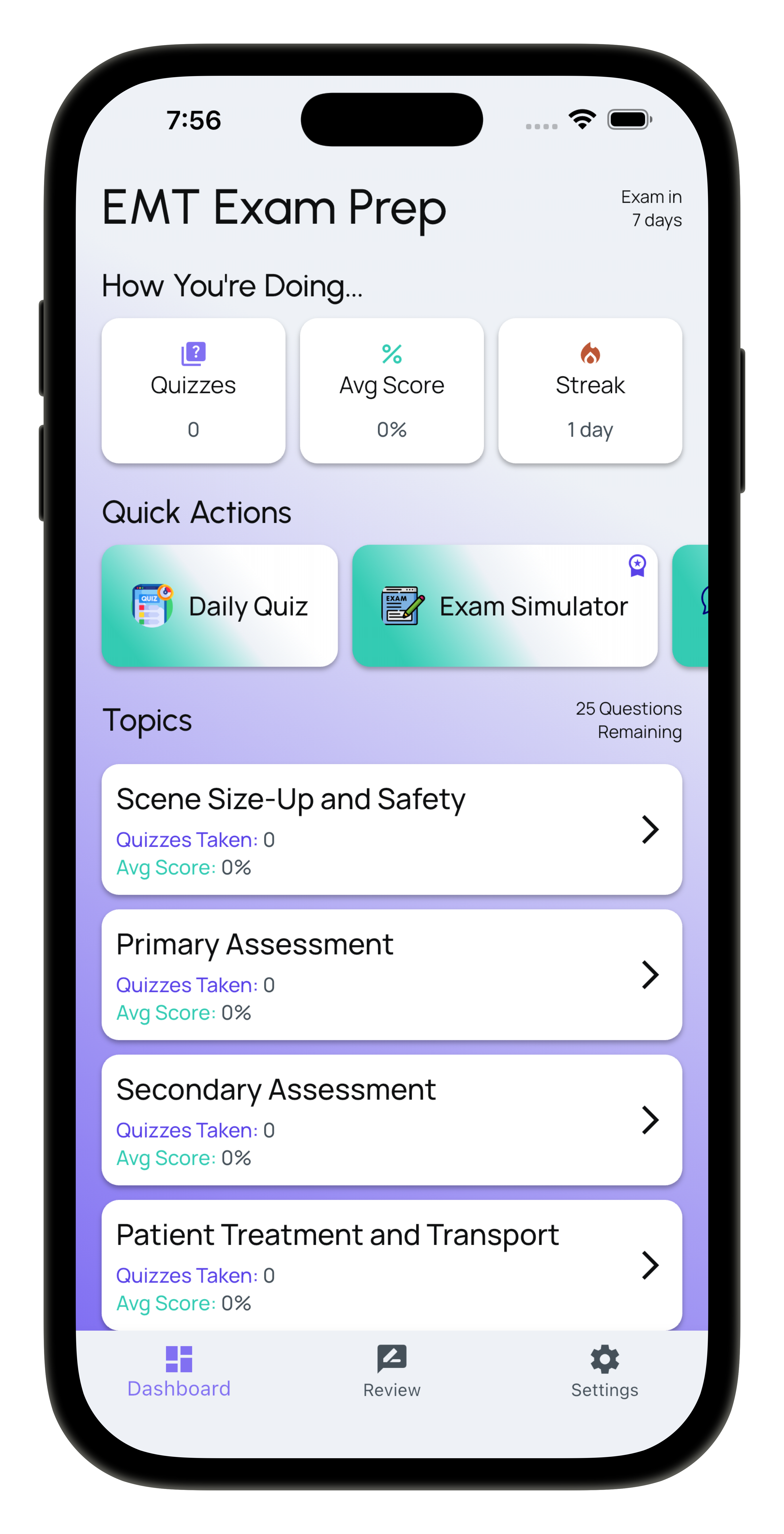
Understanding pharmacology is a critical component of emergency medical services (EMS), especially for those studying to become Emergency Medical Technicians (EMTs). As first responders, EMTs are often the first to assess and treat patients, making knowledge of medications vital for effective patient care. This blog post will cover the essential pharmacological concepts that EMT candidates must know to succeed on the NREMT certification exam, providing practical insights and study strategies along the way.
The Role of Pharmacology in EMT Practice
Pharmacology is the study of drugs and their effects on the human body. For EMTs, understanding pharmacology is crucial for several reasons:
- Patient Safety: Knowing the indications, contraindications, and side effects of medications helps EMTs administer drugs safely and effectively.
- Effective Communication: EMTs must communicate medication-related information accurately to other healthcare professionals, ensuring continuity of care.
- Emergency Situations: In critical situations, EMTs may need to administer medications quickly, making knowledge of pharmacological protocols essential.
Key Pharmacological Concepts for EMTs
1. Medication Classifications
Familiarize yourself with common classes of medications and their uses. Here are a few essential classes you should know:
- Analgesics: Medications like acetaminophen and ibuprofen that relieve pain.
- Antipyretics: Drugs that reduce fever, such as aspirin and acetaminophen.
- Bronchodilators: Used in respiratory emergencies, these medications (e.g., albuterol) help open the airways.
- Cardiac Medications: Understand medications like nitroglycerin for chest pain and epinephrine for anaphylaxis.
Practical Tip: Create flashcards for different medication classes, including their uses, side effects, and contraindications. This will facilitate quick recall during your studies and on the exam.
2. Routes of Administration
As an EMT, you will administer medications through various routes. Knowing the advantages and disadvantages of each route is crucial:
- Oral: Easy and convenient but slower onset (e.g., aspirin).
- Intravenous (IV): Provides rapid effects but requires skill and equipment.
- Inhalation: Quick absorption through the lungs, used for respiratory conditions (e.g., nebulized medications).
- Intramuscular (IM): Effective for certain medications, such as epinephrine in anaphylaxis, providing a faster response than oral medications.
Study Strategy: Chart the different routes of administration, highlighting the onset time, benefits, and potential drawbacks. This visual aid can help reinforce your understanding.
3. Pharmacokinetics and Pharmacodynamics
Understanding how medications work in the body is vital for EMTs. Pharmacokinetics refers to what the body does to a drug (absorption, distribution, metabolism, and excretion), while pharmacodynamics refers to what the drug does to the body (mechanism of action).
- Absorption: How quickly a drug enters the bloodstream can affect its effectiveness.
- Distribution: Knowing how a drug travels through the body helps determine its efficacy in treating specific conditions.
- Metabolism: Understanding how a drug is broken down can inform decisions about dosing.
- Excretion: Knowing how drugs are eliminated from the body helps prevent toxicity.
Practical Insight: Focus on the half-life of medications, as this will help you understand dosing intervals and the duration of drug action.
4. Common Medications and Their Applications
Familiarity with specific medications is essential for EMTs. Here are some commonly used medications that you should be well-acquainted with:
- Aspirin: Used for chest pain; it helps thin the blood and improve circulation.
- Nitroglycerin: Administered for chest pain, it dilates blood vessels to reduce heart workload.
- Epinephrine: Critical in anaphylaxis; it acts quickly to reverse severe allergic reactions.
- Glucose: Administered to patients with hypoglycemia to raise blood sugar levels.
Study Tip: Use mnemonics to memorize important details about these medications, such as their indications, contraindications, and dosages.
Practical Takeaways for EMT Candidates
- Engage with NREMT Practice Questions: Utilize the EMT Exam Prep app to practice NREMT-style questions that focus on pharmacology. The detailed explanations will reinforce your understanding of key concepts.
- Participate in Study Groups: Sharing knowledge with peers can enhance your learning experience. Discuss pharmacology topics, quiz each other on medication classifications, and review case studies.
- Utilize Visual Aids: Diagrams, flowcharts, and infographics can help visualize complex pharmacological concepts, making them easier to remember during exams and practice.
Conclusion: Your Path to EMT Certification Success
Pharmacology is a foundational element of EMT practice, and a strong grasp of pharmacological essentials will significantly enhance your ability to provide effective care in emergencies. By familiarizing yourself with medication classifications, routes of administration, pharmacokinetics, and common medications, you’ll be well-equipped for the NREMT certification exam and your future role as an EMT.
As you prepare for your exam, remember to leverage the resources available through the EMT Exam Prep app. With practice questions and in-depth explanations, you’ll build the confidence and knowledge necessary to excel in both your certification journey and your career in emergency medical services. Embrace the challenge, stay committed to your studies, and you will succeed in your goal of becoming a certified EMT.
Ready to become a certified EMT? Try EMT Exam Prep 2025 for comprehensive NREMT-style practice questions with detailed explanations covering all essential certification content areas.