Am I Good? - Simple Budgeting
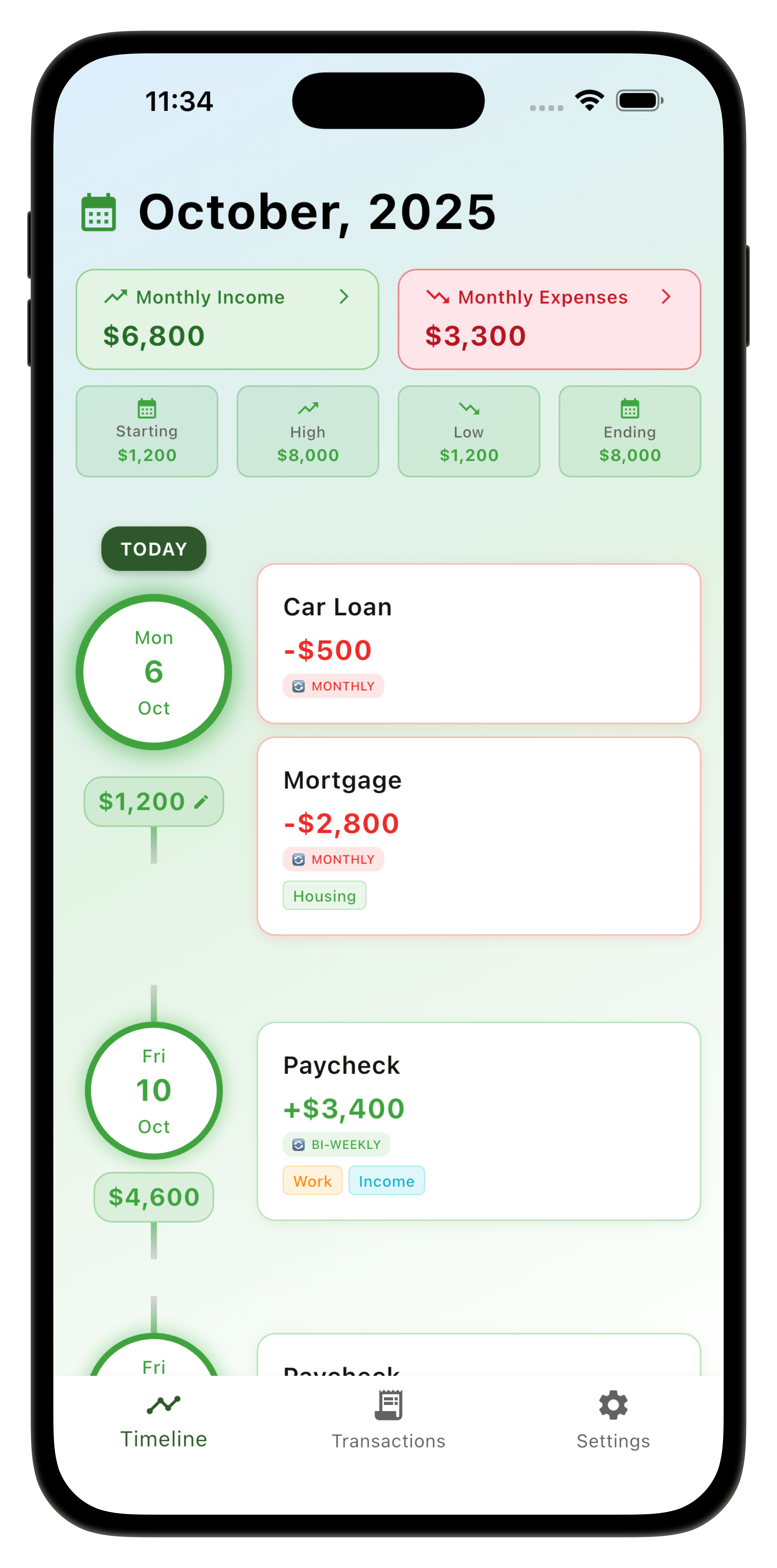
In today’s fast-paced world, financial stress can feel overwhelming. Whether it’s the burden of monthly bills, unexpected expenses, or the uncertainty of future income, many of us struggle to find a sense of financial peace. Luckily, achieving financial wellness doesn’t have to be complicated or invasive. At Am I Good, we believe in simplicity and privacy when it comes to budgeting. Here, we’ll explore practical strategies to help you overcome financial stress while maintaining your privacy and peace of mind.
1. Embrace Simple Budgeting Techniques
One of the most effective ways to reduce financial stress is to create a simple budget. Budgeting doesn’t have to be a complex task filled with spreadsheets and intricate calculations. Here are some easy techniques to get started:
The 50/30/20 Rule
This popular budgeting method divides your income into three categories:
- 50% for Needs: Essentials like housing, utilities, and groceries.
- 30% for Wants: Non-essentials such as dining out, entertainment, and hobbies.
- 20% for Savings or Debt Repayment: Prioritizing savings for emergencies or paying off debt.
By sticking to these percentages, you can create a balanced approach to managing your money without feeling overwhelmed.
Track Your Spending
Using a straightforward app like Am I Good allows you to track your income and expenses without the need for accounts or data sharing. Simply input your income and categorize your expenses. This transparency helps you see where your money is going, making it easier to adjust your budget as needed.
2. Prioritize Financial Privacy
In an age where privacy concerns are prevalent, it’s essential to maintain control over your financial information. Here are some tips to ensure your financial privacy remains intact:
Use Cash for Daily Expenses
Using cash for everyday purchases can help you manage your spending while keeping your financial activities private. This method allows you to physically see your money leaving your hands, which can foster mindfulness about your spending habits.
Choose Apps Wisely
When selecting budgeting tools, opt for those that prioritize user privacy. Apps like Am I Good don’t require accounts or data sharing, allowing you to keep your financial information safe from prying eyes.
3. Shift Your Mindset Towards Money Management
Your mindset plays a crucial role in how you approach financial management. Here are some mindset shifts that can ease the burden of financial stress:
Focus on Progress, Not Perfection
It’s easy to feel overwhelmed by the idea of achieving financial perfection. Instead, focus on making small, manageable improvements to your financial habits. Celebrate your successes, no matter how small, and remember that progress takes time.
View Money as a Tool, Not a Stressor
Reframe how you think about money. Instead of viewing it as a source of stress, consider it a tool that can help you achieve your goals. This shift in perspective can reduce anxiety and make financial management feel more empowering.
4. Real-World Examples to Keep You Grounded
Understanding how others navigate financial challenges can provide valuable insights. Here are a couple of relatable scenarios:
Example 1: The Military Family
Consider a military family that frequently relocates. They often face unique financial challenges, such as varying housing costs and unexpected expenses. By using a simple budgeting app, they can quickly adapt their budget to accommodate changes in income and expenses, ensuring they stay on track without added stress.
Example 2: The Recent Graduate
A recent graduate may feel overwhelmed by student loans and the pressure to save for the future. By adopting the 50/30/20 budgeting rule, they can allocate a portion of their income to savings while still enjoying life. This approach allows them to manage their finances without feeling deprived.
5. Stress-Reduction Approaches to Money Management
To truly overcome financial stress, it’s essential to incorporate stress-reduction techniques into your money management routine. Here are some strategies to consider:
Create a Financial Routine
Establish a regular time each week or month to review your finances. This dedicated time can help you stay organized and reduce anxiety about your financial situation. Use this time to assess your budget, adjust as needed, and set financial goals.
Practice Mindfulness and Self-Care
Incorporate mindfulness practices, such as meditation or deep breathing, into your financial routine. These techniques can help you calm your mind and reduce stress, making it easier to approach your finances with a clear head.
Seek Support
If you’re feeling overwhelmed, don’t hesitate to reach out for support. Whether it’s talking to a friend or family member about your financial concerns or seeking advice from a financial coach, having someone to share your worries with can lighten the load.
Conclusion: Taking Control of Your Financial Future
Overcoming financial stress is achievable through straightforward solutions that prioritize simplicity and privacy. By implementing easy budgeting techniques, maintaining financial privacy, shifting your mindset, and incorporating stress-reduction strategies, you can regain control of your financial situation. Remember, financial wellness is a journey, and every small step you take is a step towards a more secure and peaceful financial future. With tools like Am I Good, you can manage your finances without the complexity and invasiveness of traditional budgeting methods. Embrace the journey, and take a deep breath—you’ve got this!
Ready for simple, private budgeting? Try Am I Good? and track your income and expenses effortlessly—no accounts, no data sharing, just straightforward financial awareness.