EMR Exam Prep
Congratulations on taking the first step towards becoming an Emergency Medical Responder (EMR)! As you embark on this rewarding journey, one critical area you’ll need to master is medical terminology. Understanding the language of medicine not only enhances your communication skills but also boosts your confidence in high-pressure situations. In this post, we’ll explore basic medical concepts and skills, provide practical training and study tips, share real-world application examples, offer career guidance, and highlight essential safety considerations.
1. Basic Emergency Medical Concepts and Skills
What is Medical Terminology?
Medical terminology is a standardized language that allows healthcare professionals to communicate clearly and effectively. This language is built from prefixes, suffixes, and root words, many of which have Latin or Greek origins. Understanding these terms is vital for EMRs, as they will encounter them in protocols, reports, and during patient interactions.
Common Terms to Know:
- Acronyms: Familiarize yourself with common acronyms like BLS (Basic Life Support), CPR (Cardiopulmonary Resuscitation), and AED (Automated External Defibrillator).
- Anatomy Terms: Knowing basic anatomical terms such as anterior (front), posterior (back), and lateral (side) can help you quickly identify patient conditions.
- Medical Conditions: Terms like “acute” (sudden onset) and “chronic” (long-lasting) will help you describe patient conditions accurately.
Study Tip: Flashcards
Creating flashcards is a fantastic way to memorize medical terms. Write the term on one side and its definition on the other. This method promotes active recall, helping solidify your understanding.
2. Practical Training and Study Tips
Utilize EMR Exam Prep Resources
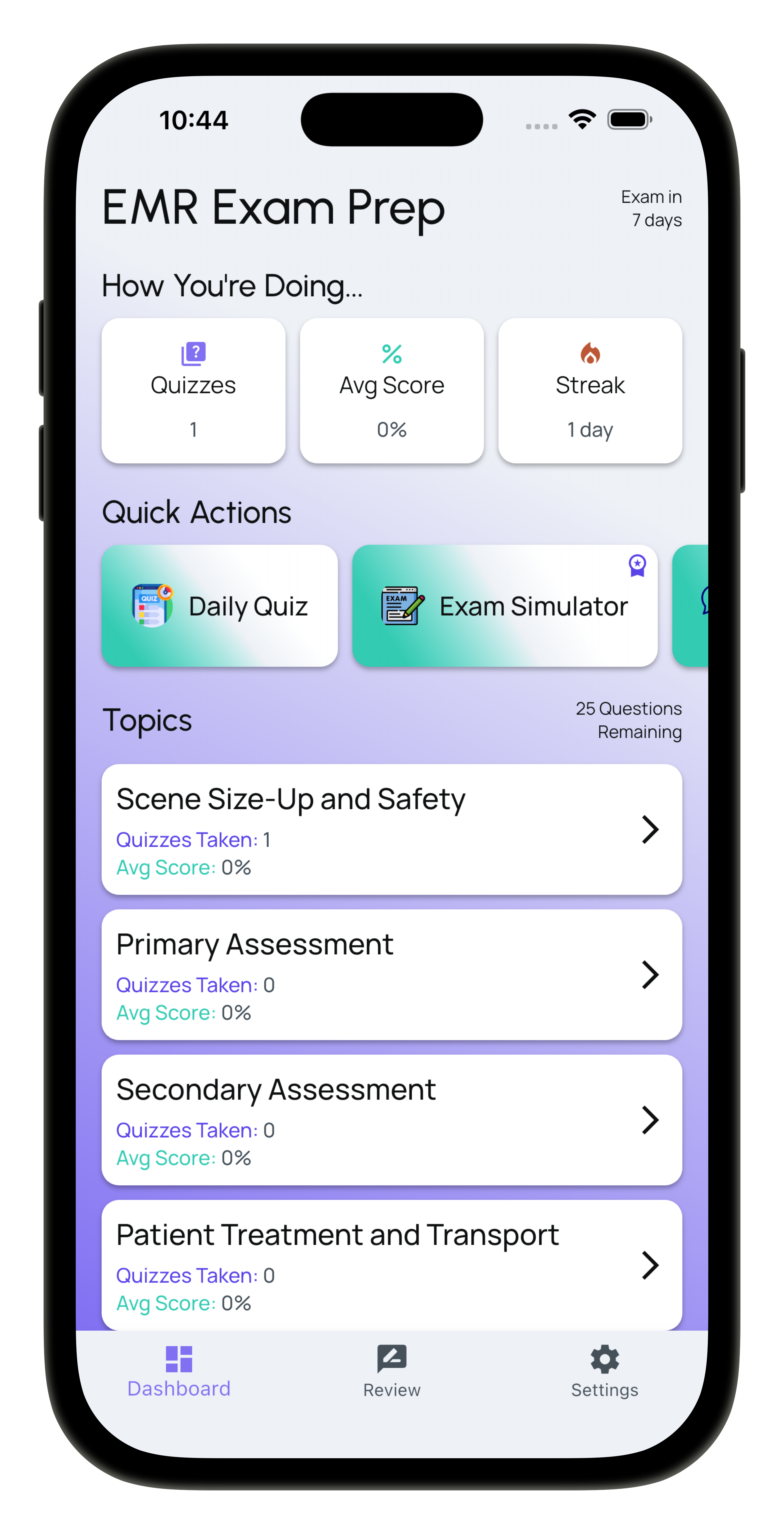
As an aspiring EMR, take advantage of the EMR Exam Prep app, which offers practice questions and study materials tailored specifically for EMR certification. The app is designed to reinforce your understanding of medical terminology and emergency protocols.
Study Tip: Practice Questions
Regularly complete practice questions to assess your knowledge of medical terminology. This will not only prepare you for exams but also help you feel more comfortable using these terms in real-world situations.
Engage in Group Study
Consider forming a study group with your peers. Discussing medical terminology and emergency procedures with others can enhance your understanding and retention.
3. Real-World Application Examples
Understanding medical terminology is essential for effective communication in emergency situations. Here are a few real-world examples to illustrate its importance:
-
Scenario 1: Patient Assessment
During a patient assessment, you might encounter a situation where a patient presents with “dyspnea” (difficulty breathing). Knowing this term allows you to quickly communicate the patient’s condition to your team, ensuring they provide appropriate care. -
Scenario 2: Collaboration with Other Healthcare Professionals
When working alongside paramedics or nurses, you may need to relay critical information about a patient’s history, such as “the patient is a diabetic with a history of hypoglycemia.” Understanding these terms will foster teamwork and improve patient outcomes.
Real-World Training Tip: Practice Role-Playing
Engage in role-playing scenarios with fellow EMR students where you take turns assessing patients and using medical terminology. This will prepare you for actual emergency situations and build your confidence in using the language effectively.
4. Career Guidance for New EMRs
As you progress in your training, consider the following steps to advance your career:
- Seek Certification: Pursue EMR certification as a foundational credential. This will enhance your employability and credibility as a responder.
- Gain Experience: Volunteer for local EMS services or community response teams. Hands-on experience is invaluable and will deepen your understanding of both medical terminology and emergency protocols.
- Continue Learning: Stay informed about new medical terms and procedures through ongoing education. Attend workshops, webinars, and refresher courses to keep your knowledge current.
5. Safety Considerations and Best Practices
Safety is paramount in emergency medical response. Here are some best practices to keep in mind:
- Use Proper Terminology: Clear communication can prevent misunderstandings that may jeopardize patient care. Always use accepted medical terminology when discussing patient conditions with your team.
- Follow Protocols: Adhere to established protocols and guidelines. Familiarize yourself with your local EMS protocols to ensure you’re providing care according to best practices.
- Prioritize Personal Safety: Always evaluate the scene for safety before approaching a patient. Your safety is crucial not only for you but also for the patient and bystanders.
Final Encouragement
Embarking on your journey as an Emergency Medical Responder is both exciting and challenging. Mastering medical terminology is a critical step in becoming a competent responder. Remember, it’s okay to take your time as you learn. Use resources like the EMR Exam Prep app to support your studies, engage with your peers, and practice regularly.
As you build your skills and knowledge, keep a positive mindset. Every term you learn and every scenario you practice brings you one step closer to being a confident and effective EMR. You are making a difference in your community, and that is something to be proud of!
Happy studying and stay safe!
This blog post aims to empower EMR students and new responders with the essential knowledge of medical terminology, providing them with the tools they need for success in their training and future careers. By incorporating practical study tips and real-world applications, we hope to inspire confidence and competence in every aspiring EMR.
Starting your EMR certification journey? Try EMR Exam Prep for practice questions and study materials designed to help you succeed as an Emergency Medical Responder.