EMT Exam Prep 2025
Effective communication is the backbone of emergency medical services (EMS). As an EMT candidate or emergency responder, your ability to convey information clearly and efficiently can significantly impact patient outcomes and team dynamics. In the high-stress environment of emergency care, mastering communication skills is not just beneficial; it is essential. This blog post will explore the importance of communication in EMS, provide practical tips, and offer study strategies to enhance your skills, contributing to your success on the NREMT certification exam.
The Importance of Communication in EMS
Communication in emergency medical services extends beyond simple information exchange. Whether you are interacting with patients, their families, or your medical team, effective communication can:
-
Facilitate Quick Decision Making: In emergencies, every second counts. Being able to quickly and accurately convey patient information and concerns to other responders or medical personnel can lead to timely interventions.
-
Build Trust with Patients: Many patients may be experiencing their worst moments. Clear, compassionate communication can help reassure them and reduce anxiety, creating a more supportive environment for care.
-
Enhance Team Cohesion: Good communication among team members ensures everyone is on the same page, leading to coordinated efforts that improve patient care.
-
Ensure Accurate Documentation: Communicating effectively can help you document vital information accurately, which is essential for ongoing patient care and legal considerations.
Key Communication Skills for EMTs
1. Active Listening
Active listening is fundamental in the EMS environment. It involves fully concentrating, understanding, responding, and remembering what the speaker is saying. Here are some tips to enhance your active listening skills:
-
Maintain Eye Contact: This shows the speaker that you are engaged and interested in what they have to say.
-
Avoid Interrupting: Allow the speaker to finish their thoughts before responding, which demonstrates respect and ensures you gather all necessary information.
-
Summarize and Clarify: After listening, paraphrase what the speaker has said and ask clarifying questions to ensure understanding.
2. Clear Verbal Communication
When communicating verbally, clarity is paramount. EMTs often use medical terminology that may not be familiar to patients or family members. Here are some strategies to improve your verbal communication:
-
Use Simple Language: Avoid jargon and explain medical terms in layman’s terms when speaking to patients and their families.
-
Be Concise: Get to the point quickly to avoid overwhelming the listener with unnecessary information. For example, instead of saying, “We are going to monitor your vital signs and check for any signs of distress,” you could say, “I’m going to check your heart rate and breathing.”
-
Speak Calmly: Your tone can greatly influence how your message is received. A calm, steady voice can help alleviate anxiety in patients.
3. Non-Verbal Communication
Body language, facial expressions, and gestures play a significant role in communication. As an EMT, being aware of your non-verbal cues can enhance your interactions:
-
Appropriate Use of Gestures: Use open hand gestures to convey openness and honesty, but avoid crossing your arms, which can create a barrier.
-
Facial Expressions: Ensure your expressions match your message. A warm smile can create a welcoming atmosphere, while a serious expression may be appropriate in critical situations.
-
Posture: Stand or sit in a way that demonstrates attentiveness and readiness to engage with the patient or team member.
Practical Study Strategies for Improving Communication Skills
Improving your communication skills takes practice. Here are some actionable study tips:
-
Role-Playing Scenarios: Engage with fellow EMT students to role-play various emergency scenarios. This practice can help you refine your verbal and non-verbal communication skills in a safe environment.
-
Record and Review: Record yourself speaking on various topics or during mock interviews. Reviewing the recordings can help you identify areas for improvement, such as tone, clarity, and pacing.
-
Feedback Loop: Seek feedback from instructors or peers on your communication skills. Constructive criticism can provide insights into areas that need attention.
-
Use EMT Exam Prep Resources: Leverage the resources offered by EMT Exam Prep, including practice questions and case studies that emphasize communication scenarios, to reinforce your learning.
Conclusion: The Path to EMT Certification Success
Mastering communication skills is an invaluable asset for any EMT candidate or emergency responder. Effective communication fosters trust, ensures accurate information exchange, and improves team dynamics, all of which are critical in emergency situations. As you prepare for your NREMT certification exam, prioritize the development of these skills. By implementing the strategies discussed in this blog post, you will not only enhance your communication abilities but also increase your chances of success in your certification journey. Remember, effective communication is not just about speaking; it’s about connecting with those around you—patients, colleagues, and the broader healthcare community. With the right skills, you can make a significant difference in the lives of those you serve.
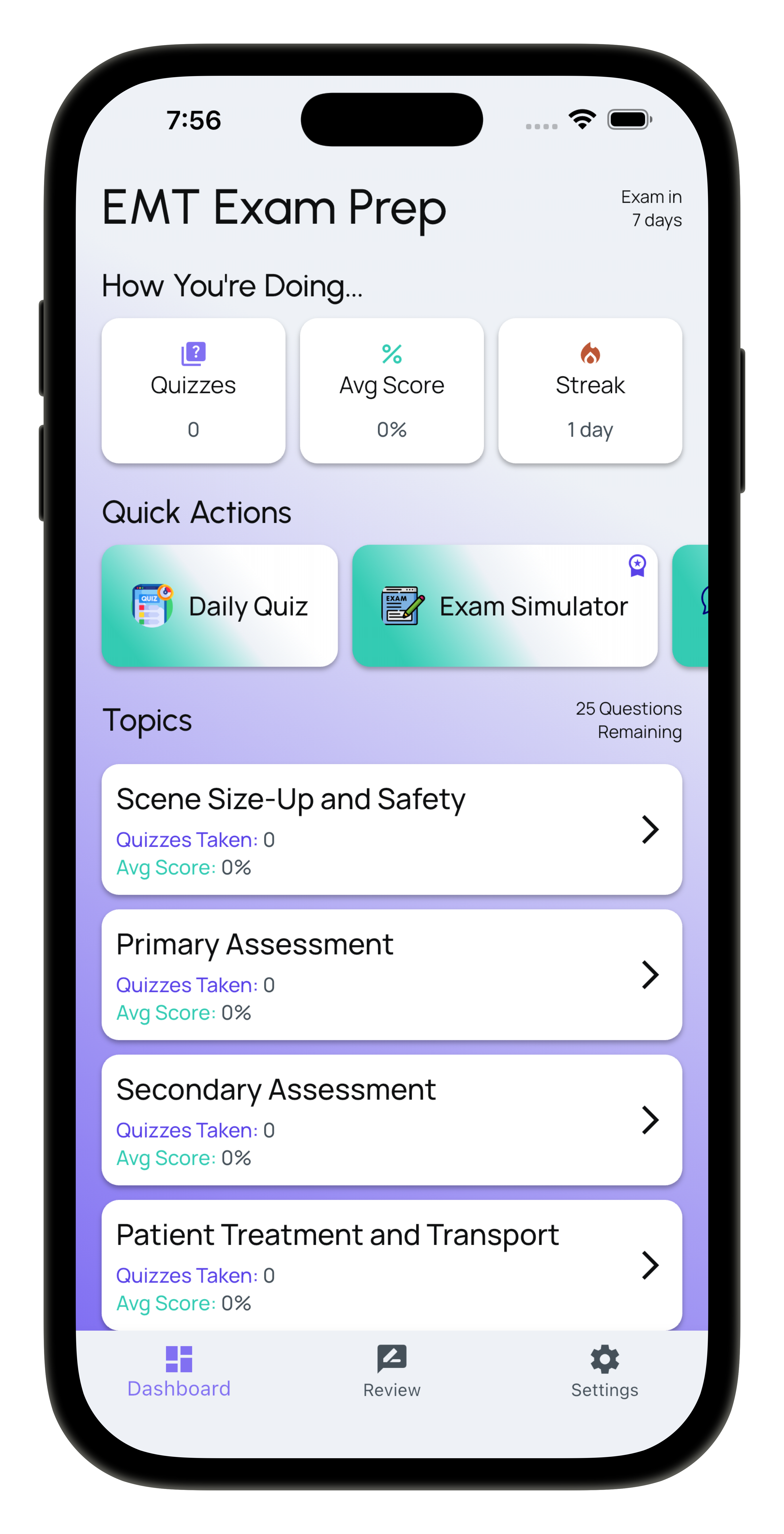
Ready to become a certified EMT? Try EMT Exam Prep 2025 for comprehensive NREMT-style practice questions with detailed explanations covering all essential certification content areas.