Am I Good? - Simple Budgeting
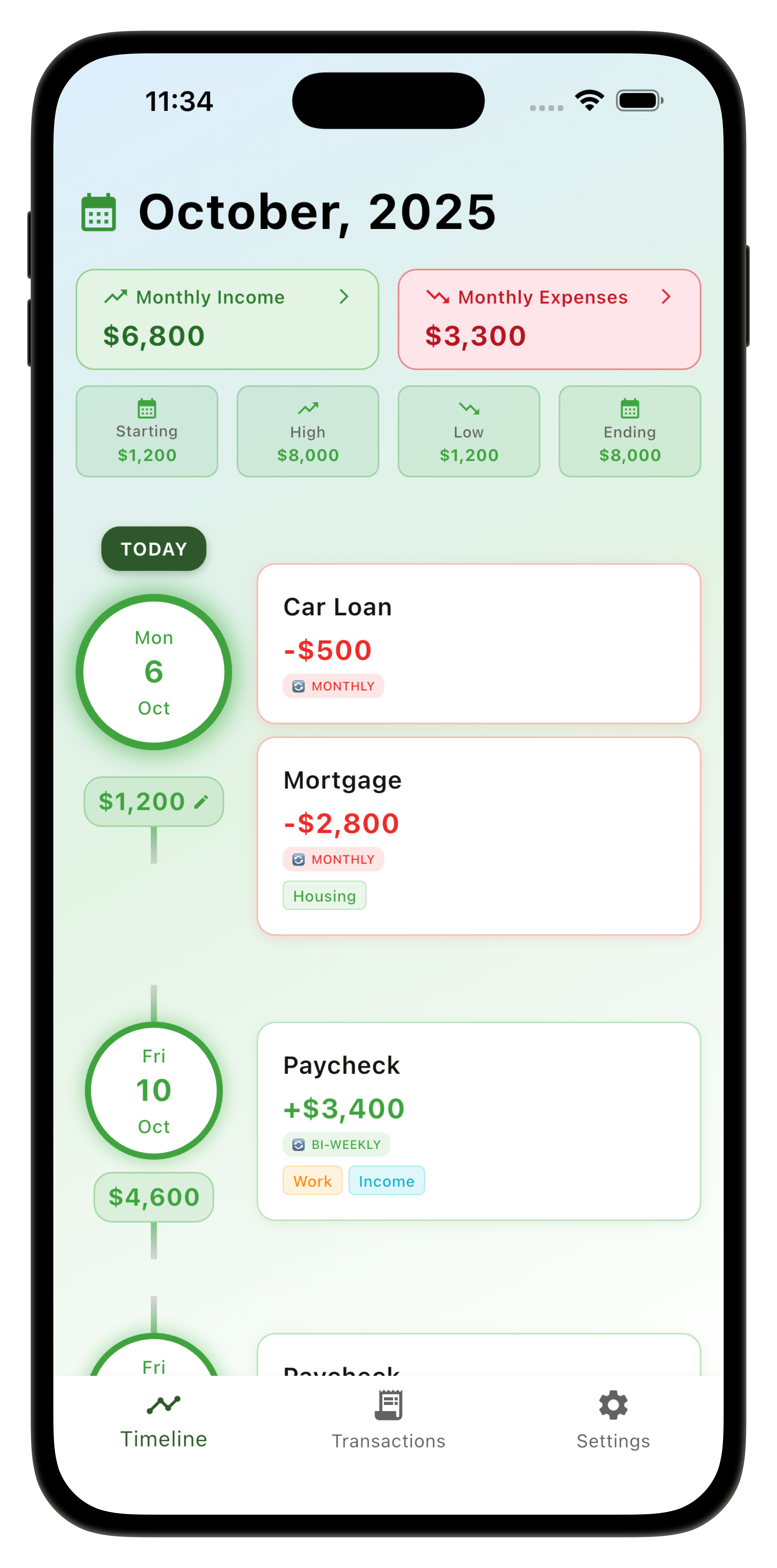
In today’s digital age, the importance of financial privacy and data security cannot be overstated. With countless apps and tools vying for our attention, it’s crucial to navigate your finances without compromising your personal information. At Am I Good, we believe in empowering you to manage your money simply and privately. Let’s explore why financial privacy matters, and discover practical strategies to keep your financial life secure and stress-free.
Why Financial Privacy Matters
Financial privacy is not just about keeping your bank account details safe; it’s about ensuring that your financial habits, spending patterns, and personal information remain confidential. Here are a few reasons to prioritize your financial privacy:
-
Protection from Identity Theft: Personal financial information can be a goldmine for thieves. Keeping your data private reduces the risk of becoming a victim of identity theft.
-
Control Over Personal Information: When you maintain financial privacy, you’re in control of who sees your data and how it’s used. This helps you avoid unwanted marketing and potential misuse of your information.
-
Peace of Mind: Knowing your financial data is secure allows you to focus on what really matters—your financial wellness—without the worry that someone could misuse your information.
Practical Strategies for Financial Privacy
-
Use Simple Budgeting Tools: Opt for budgeting tools that don’t require you to create accounts or share personal information. Am I Good offers a privacy-focused budgeting app that allows you to track income and expenses without the hassle of complex sign-ups.
-
Limit Data Sharing: Be mindful of the apps and services you use. Always read privacy policies and opt-out of data sharing when possible. This may seem tedious, but it’s a small step toward protecting your financial information.
-
Secure Your Devices: Ensure your phone, tablet, and computer have strong passwords and up-to-date security software. This protects your devices from unauthorized access and potential data breaches.
-
Monitor Your Financial Accounts Regularly: Regularly check your bank statements and credit reports. This helps you catch any unusual activity early and address it before it escalates.
Simple Budgeting Techniques
Adopting straightforward budgeting techniques can make financial management feel like less of a chore—and it can enhance your privacy. Here are some easy methods to try:
1. The Envelope System
This classic budgeting method involves allocating cash into envelopes designated for different spending categories (like groceries, entertainment, etc.). Once the cash is gone from an envelope, that’s it! This approach encourages mindful spending and keeps you aware of your financial limits without relying on digital tracking.
2. The 50/30/20 Rule
If you prefer a percentage-based approach, the 50/30/20 rule is a simple guideline: allocate 50% of your income to needs (like housing and groceries), 30% to wants (like dining out and hobbies), and 20% to savings or debt repayment. This method helps you prioritize your spending while ensuring you’re saving for the future.
3. Daily Expense Tracking
Instead of relying on complex apps, consider keeping a daily expense journal. Simply jot down what you spend each day in a notebook or a note-taking app. This low-tech approach protects your privacy while keeping you accountable for your spending habits.
Mindset Shifts for Financial Wellness
Managing your finances isn’t just about the numbers; it’s also about your mindset. Here are a few shifts to consider:
-
Focus on Progress, Not Perfection: Understand that financial wellness is a journey. Celebrate small wins along the way, whether it’s sticking to your budget for a week or saving a little extra money.
-
Adopt a “Needs vs. Wants” Mentality: Before making a purchase, ask yourself whether it’s a need or a want. This simple question can help you make more intentional spending decisions.
-
Embrace Flexibility: Life is unpredictable, and budgeting can be affected by unexpected expenses. Allow yourself the flexibility to adjust your budget as needed, without guilt or stress.
Real-World Examples of Financial Privacy in Action
Consider Sarah, a military spouse who frequently moves and often finds herself overwhelmed by complex budgeting apps. She decided to simplify her financial management by using Am I Good, which allowed her to track her income and expenses without sharing her data. By adopting the envelope system, she could see exactly where her money was going each month, reducing her anxiety over financial decisions.
Or take John, a freelancer who values his privacy. He started keeping a daily expense journal, which not only helped him track his spending but also gave him a sense of control over his finances. By being mindful of his spending patterns, John was able to save for a much-desired vacation without the stress of complicated app features.
Stress-Reduction Approaches to Money Management
Financial stress is a common challenge, but it doesn’t have to be overwhelming. Here are some stress-reduction strategies:
-
Set Realistic Goals: Break your financial goals into manageable steps. Instead of aiming to save a large sum at once, set smaller monthly targets that feel more achievable.
-
Practice Mindfulness: Take a few moments each week to reflect on your financial situation. Acknowledging your progress and areas for improvement can help you maintain a positive mindset.
-
Create a Routine: Establishing a regular time each week to review your finances can make budgeting feel less daunting. Make it a comfortable, stress-free part of your schedule.
Conclusion
Financial privacy and data security are essential components of effective money management, and simplifying your financial life can greatly enhance your sense of security. By adopting straightforward budgeting methods, prioritizing your privacy, and shifting your mindset, you can take control of your finances without overwhelming yourself. At Am I Good, we believe that financial wellness should be accessible to everyone, and with these simple strategies, you can achieve just that—while keeping your personal information safe and secure. Embrace simplicity, prioritize your privacy, and enjoy a stress-free approach to financial management.
Ready for simple, private budgeting? Try Am I Good? and track your income and expenses effortlessly—no accounts, no data sharing, just straightforward financial awareness.