EMR Exam Prep
Embarking on your journey as an Emergency Medical Responder (EMR) is an exciting and vital step in the world of emergency medical services (EMS). As you prepare for your certification, it’s crucial to understand the scope of practice and the legal considerations that govern your role. This knowledge will empower you to provide safe and effective care while protecting yourself and your patients. In this blog post, we’ll explore essential emergency medical concepts and skills, offer practical training and study tips, provide real-world application examples, and discuss career guidance and safety considerations.
1. Basic Emergency Medical Concepts and Skills
As an EMR, you play a critical role in the initial assessment and management of patients in emergencies. Here are some core concepts and skills you should master:
a. Basic Life Support (BLS)
BLS is the foundation of emergency care. It includes:
- CPR (Cardiopulmonary Resuscitation): Knowing how to perform high-quality chest compressions and rescue breaths can save lives in cardiac arrest situations.
- AED Use: Familiarize yourself with Automated External Defibrillators (AEDs) to assist patients experiencing sudden cardiac arrest.
b. First Aid Skills
Basic first aid skills are essential for managing various injuries and medical conditions. You should be proficient in:
- Wound Care: Learn how to clean, dress, and bandage wounds properly to prevent infection.
- Splinting: Understand how to stabilize fractures and sprains to minimize further injury.
- Managing Choking: Recognize the signs of choking and how to perform the Heimlich maneuver effectively.
c. Patient Assessment
Conducting a thorough patient assessment is crucial. This includes:
- Scene Safety: Always assess the scene for hazards before approaching the patient.
- Primary Assessment: Evaluate the ABCs (Airway, Breathing, Circulation) to identify immediate life threats.
- Secondary Assessment: Gather detailed information about the patient’s condition, including medical history and vital signs.
2. Practical Training and Study Tips
To succeed in your EMR training, consider these practical tips:
a. Use EMR Exam Prep Resources
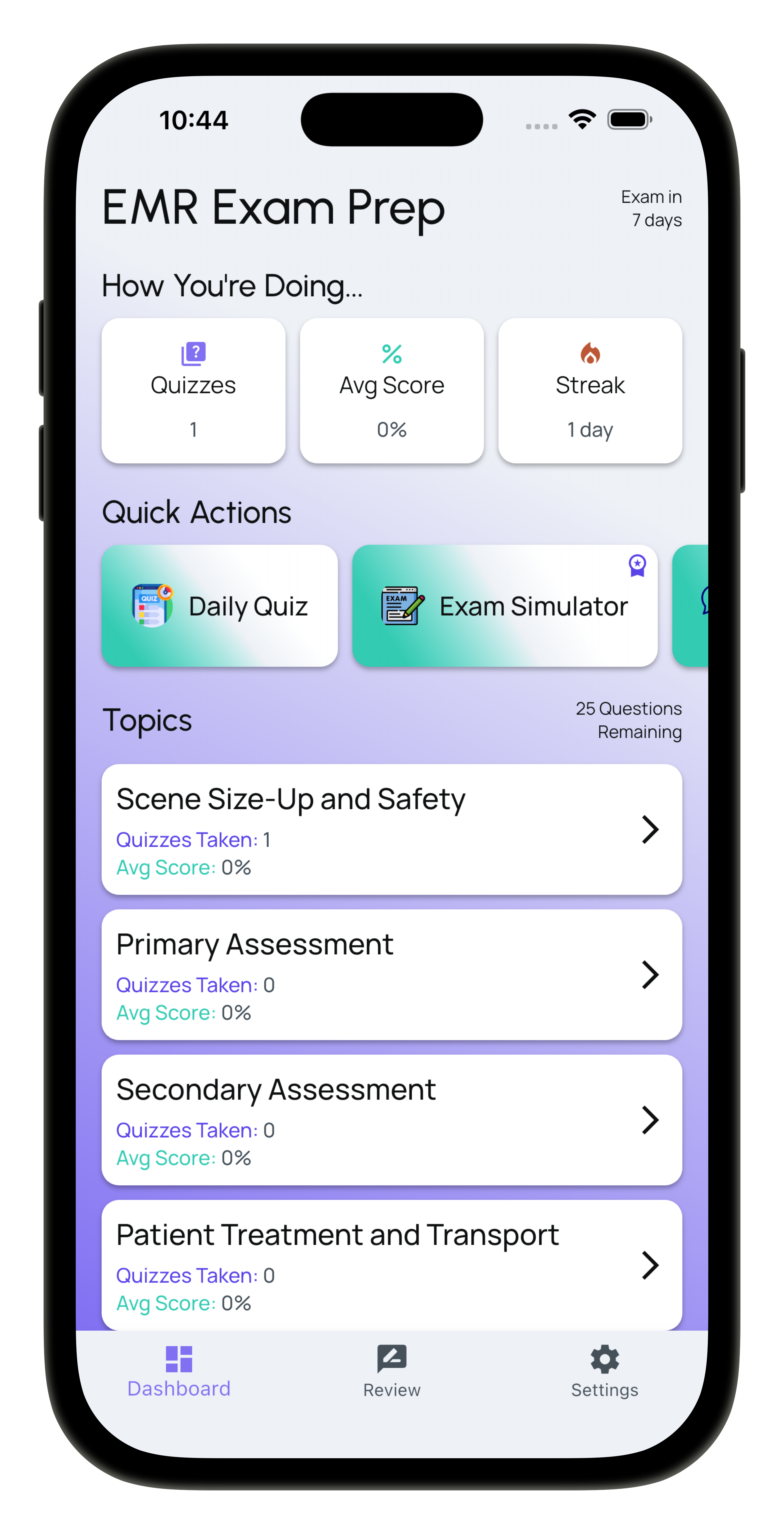
Utilize resources like the EMR Exam Prep app, which offers practice questions, study materials, and interactive learning tools specifically designed to help you grasp the core concepts of EMR training. Regular practice will enhance your confidence and knowledge.
b. Hands-On Practice
Engage in hands-on training sessions whenever possible. Practice CPR, wound care, and splinting techniques with your peers. The more you practice, the more comfortable you will become in real-life situations.
c. Group Study Sessions
Form a study group with your classmates. Discussing concepts, quizzing each other, and sharing different perspectives can deepen your understanding and retention of information.
d. Stay Organized
Keep your study materials organized. Create a study schedule that breaks down topics into manageable sections, allowing you to cover all necessary content before your exam.
3. Real-World Application Examples
Understanding how to apply your skills in real-world scenarios is key to becoming an effective EMR. Here are a few situations you might encounter:
a. Motor Vehicle Collision
Imagine arriving at the scene of a car accident. Your first step is to ensure the scene is safe. Once it’s secure, you would assess the drivers and passengers for injuries. You might perform CPR on an unresponsive individual or apply a tourniquet to control bleeding from a severe injury.
b. Cardiac Arrest
During a community event, you notice someone collapse. You immediately check for responsiveness and call for help. If the person is unresponsive and not breathing, you start CPR and use an AED as soon as it’s available. Your quick actions could save a life.
c. Allergic Reaction
You’re at a picnic and witness someone experiencing an allergic reaction. Recognizing the signs of anaphylaxis, you swiftly retrieve their epinephrine auto-injector and assist them in administering it while calling for advanced medical support.
4. Career Guidance for New EMRs
As you begin your career as an EMR, consider the following to enhance your professional journey:
a. Continuing Education
Stay informed about the latest guidelines and best practices through continuing education courses. This will help you maintain your skills and knowledge.
b. Networking
Join local EMS organizations or online forums to connect with other professionals. Networking can lead to mentorship opportunities and job openings in the field.
c. Explore Advancement Opportunities
After gaining experience as an EMR, consider pursuing further certifications like EMT (Emergency Medical Technician) or Paramedic. These advanced roles come with increased responsibilities and broader scopes of practice.
5. Safety Considerations and Best Practices
Your safety and the safety of your patients should always be a priority. Here are some best practices:
a. Scene Safety
Before providing care, always assess the scene for potential hazards such as traffic, fire, or chemical spills. Never put yourself in danger.
b. Personal Protective Equipment (PPE)
Utilize appropriate PPE, such as gloves and masks, to protect yourself and your patients from infections and contaminants.
c. Follow Protocols
Adhere to established protocols and guidelines within your EMS service. Consistency in following procedures ensures safe and effective patient care.
d. Document Carefully
Accurate documentation of your assessments and interventions is vital. It provides a record of care for future medical providers and protects you from legal issues.
Conclusion
Understanding the scope of practice and legal considerations as an EMR is essential for your success and the safety of your patients. By mastering basic emergency medical concepts, honing your skills through practical training, and being aware of the legal framework surrounding your role, you’ll be well-equipped to provide high-quality care in emergencies. Remember that resources like EMR Exam Prep are available to support your learning journey. Stay committed, practice diligently, and embrace the rewarding path ahead in your EMS career!
Starting your EMR certification journey? Try EMR Exam Prep for practice questions and study materials designed to help you succeed as an Emergency Medical Responder.