EMT Exam Prep 2025
As an Emergency Medical Technician (EMT), you are part of a critical workforce dedicated to saving lives and providing essential care during emergencies. The journey doesn’t end with certification; rather, it marks the beginning of a rewarding career filled with opportunities for growth and advancement. Whether you are just starting your EMT journey or are an experienced responder looking to enhance your skills, understanding your career options and the importance of continuing education is crucial. This blog post will explore the various career paths available to EMTs, the benefits of pursuing further education, and practical strategies to help you succeed.
Exploring Career Paths for EMTs
The EMT certification provides a solid foundation for various career opportunities in emergency medical services and beyond. Here are some common paths that EMTs can consider:
1. Advanced EMT (AEMT)
If you’re looking to deepen your clinical skills, consider advancing to an Advanced EMT (AEMT) certification. AEMTs can perform more advanced procedures, such as administering medications and providing advanced airway management. This role offers a greater scope of practice and prepares you for higher responsibilities, potentially leading to supervisory positions.
2. Paramedic
Becoming a paramedic is a natural progression for many EMTs. This advanced certification typically requires additional training and education, including an accredited paramedic program. Paramedics have a broader scope of practice, including advanced life support skills. This role often leads to increased job opportunities, higher salaries, and the ability to work in specialized fields such as critical care transport or disaster response.
3. Specialization in Emergency Services
As you gain experience, you may choose to specialize in areas such as:
- Pediatric Emergency Care: Focuses on providing care to infants and children.
- Geriatric Care: Involves understanding the unique needs of elderly patients.
- Tactical EMS: Works alongside law enforcement in high-risk situations.
- Event Medical Services: Provides medical coverage at large events like concerts or sports.
Specializing not only enhances your skills but also increases your marketability in a competitive job market.
4. Leadership and Management Roles
For those interested in administrative positions, pursuing further education in management or healthcare administration can open doors to leadership roles such as EMS supervisor, operations manager, or director of EMS services. These positions often require strong organizational and communication skills, as well as an understanding of EMS regulations and protocols.
The Importance of Continuing Education
Continuing education is vital for EMTs at every stage of their careers. It not only helps you stay updated on the latest medical protocols and technologies but also plays a crucial role in professional development. Here are some reasons why continuing education should be a priority:
1. Staying Current with Protocols and Techniques
The field of emergency medicine is constantly evolving. New research, techniques, and protocols emerge regularly. Continuing education ensures you remain knowledgeable about the latest evidence-based practices, thereby enhancing patient care and safety.
2. Meeting Certification Requirements
Many EMT certifications, including the National Registry of Emergency Medical Technicians (NREMT), require ongoing education to maintain your credentials. Completing continuing education units (CEUs) is essential for recertification and demonstrates your commitment to professional growth.
3. Networking Opportunities
Attending workshops, seminars, or conferences provides an excellent opportunity to connect with peers and leaders in the field. Networking can lead to mentorship opportunities, job openings, and collaborative projects that can enrich your career.
Practical Study Tips and Strategies for Continuing Education
-
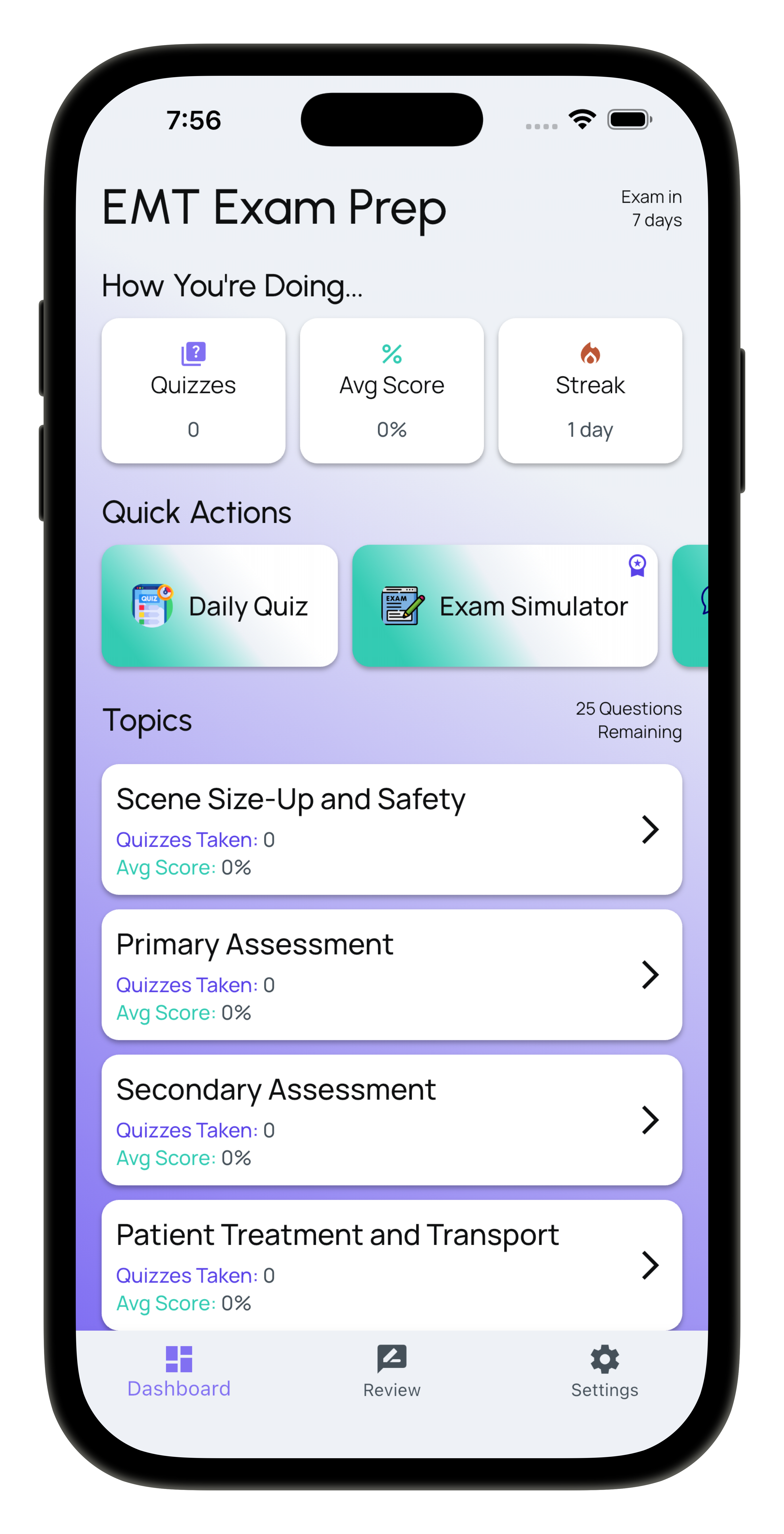
Utilize Online Resources: Platforms like EMT Exam Prep offer mobile apps filled with NREMT-style practice questions and comprehensive study materials. Use these resources to prepare for certification exams and to stay sharp on critical topics.
-
Attend Workshops and Courses: Look for local or online workshops that focus on specific areas of interest or advanced skills. Many organizations offer CEUs for participating in these courses.
-
Join Professional Organizations: Becoming a member of organizations such as the National Association of Emergency Medical Technicians (NAEMT) can provide access to exclusive continuing education opportunities, resources, and networking events.
-
Engage in Peer Learning: Form study groups with fellow EMTs to share knowledge, discuss challenging topics, and prepare for exams together. Collaborative learning enhances understanding and retention of information.
-
Set Personal Goals: Identify specific areas you want to improve or specialize in and create a study plan. Setting achievable goals can help you stay focused and motivated in your continuing education journey.
Conclusion: Your Path to Success as an EMT
Embarking on a career as an EMT is a noble and fulfilling choice. By understanding the various career paths available and prioritizing continuing education, you can enhance your skills, expand your opportunities, and ensure a successful and impactful career in emergency medical services. The journey to EMT certification is just the beginning; stay dedicated to lifelong learning and professional growth, and you will undoubtedly make a significant difference in the lives of those you serve. With resources like EMT Exam Prep at your side, you’re equipped to tackle the challenges ahead and achieve your goals in the dynamic field of emergency medicine.
Ready to become a certified EMT? Try EMT Exam Prep 2025 for comprehensive NREMT-style practice questions with detailed explanations covering all essential certification content areas.