EMR Exam Prep
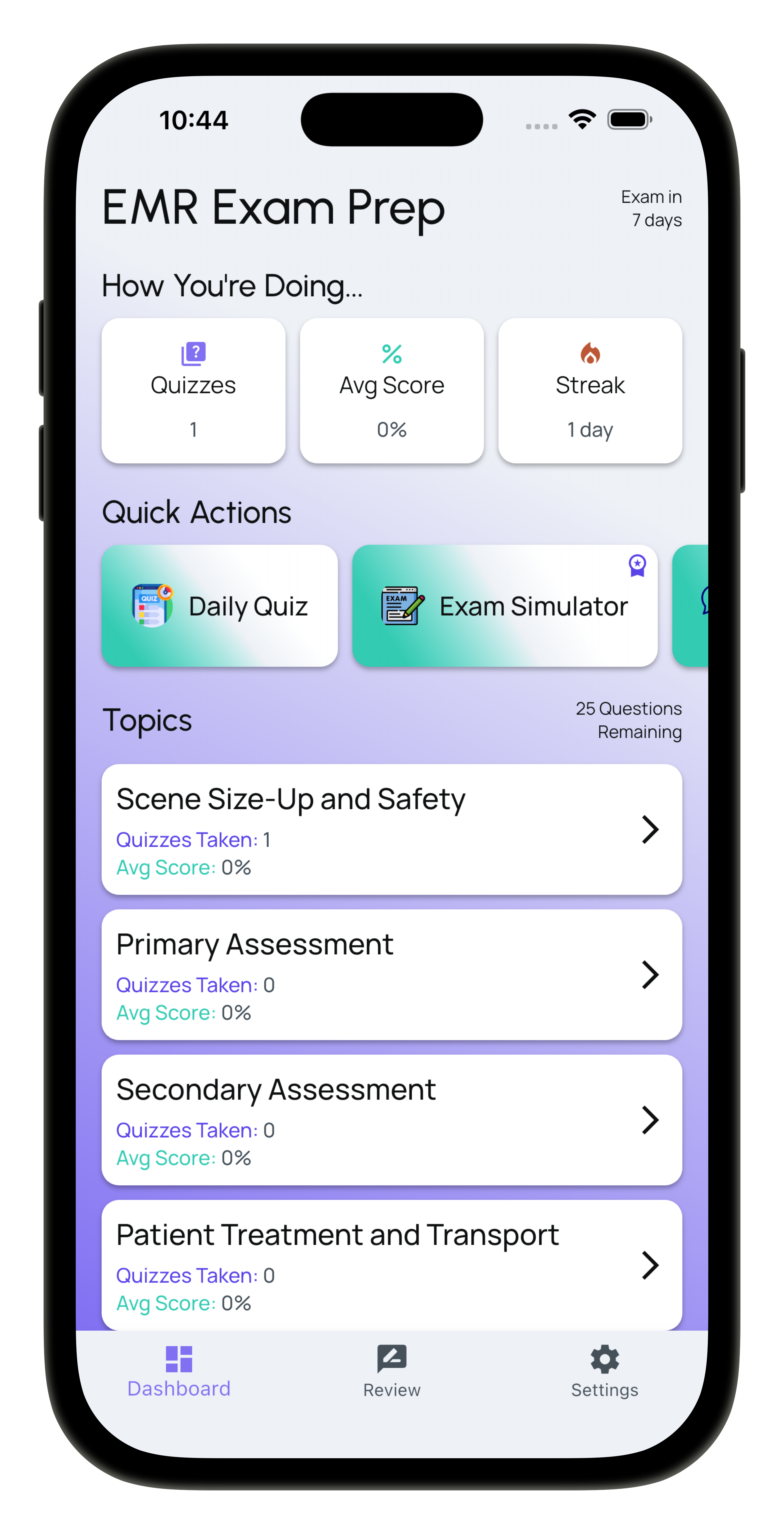
As you embark on your journey as an Emergency Medical Responder (EMR), you may find yourself drawn to volunteer programs that serve your community. These invaluable experiences not only allow you to apply what you’ve learned in your training but also help you develop essential skills that will shape your career in emergency medical services. In this blog post, we’ll explore the basics of emergency medical concepts, practical training tips, real-world applications, career guidance, and safety considerations—all designed to help you succeed in your training and serve your community effectively.
Understanding Basic Emergency Medical Concepts and Skills
Before diving into volunteer opportunities, it’s crucial to grasp the foundational concepts of emergency medical response. As an EMR, your primary responsibility is to provide immediate, basic care to patients in emergency situations. Here are some key concepts and skills you should master:
-
Basic Life Support (BLS): Understand the steps of performing CPR on adults, children, and infants. Familiarize yourself with the use of Automated External Defibrillators (AEDs) and how to recognize the signs of cardiac arrest.
-
First Aid Skills: Learn how to manage common injuries such as bleeding, fractures, burns, and allergic reactions. Knowing how to perform wound care and immobilization can be lifesaving.
-
Patient Assessment: Develop the ability to conduct a thorough assessment of a patient’s condition. This includes checking responsiveness, airway, breathing, and circulation, also known as the ABCs.
-
Communication Skills: Effective communication is vital in emergency situations. Practice relaying information clearly and concisely to your team and other healthcare providers.
-
Legal and Ethical Considerations: Be aware of your scope of practice, patient confidentiality, and the Good Samaritan law, which protects volunteers who provide care during emergencies.
Practical Training and Study Tips
To excel in your EMR training and prepare for volunteering, consider these actionable study and training tips:
-
Utilize EMR Exam Prep Resources: Take advantage of practice questions and study materials available through EMR Exam Prep. Regularly test your knowledge to reinforce what you’ve learned.
-
Engage in Hands-On Training: Participate in simulations and hands-on scenarios during your training. Practicing skills such as CPR and wound care with peers will build your confidence.
-
Join a Study Group: Collaborate with fellow students to review materials and share experiences. Teaching others is an effective way to solidify your own understanding.
-
Shadow Experienced Responders: If possible, seek opportunities to shadow seasoned EMRs during volunteer shifts. Observing their techniques and decision-making processes can provide invaluable insights.
-
Stay Updated: Emergency medical protocols and guidelines can change. Follow reputable sources and organizations to stay informed about the latest best practices.
Real-World Application Examples
Volunteer EMR programs offer a variety of scenarios where you can apply your training. Here are a few examples of situations you may encounter:
-
Community Events: Many communities host events like marathons, fairs, and festivals. As a volunteer EMR, you may be responsible for providing first aid and ensuring the safety of participants.
-
Disaster Response: In the event of a natural disaster, volunteer EMRs are often mobilized to assist with triage, patient care, and logistics. This experience can be invaluable in understanding emergency preparedness.
-
Public Health Initiatives: Participate in health fairs or vaccination clinics where you can provide education on first aid, CPR, and basic health measures.
-
Ride-Along Programs: Many EMS agencies offer ride-along opportunities for volunteers. This allows you to experience real-life emergency responses while under the guidance of experienced professionals.
Career Guidance for New EMRs
As you navigate your journey as an EMR, consider these tips for advancing your career:
-
Network with Local EMS Agencies: Attend community meetings or events hosted by local EMS agencies. Building relationships with professionals in the field can lead to job opportunities or mentorship.
-
Pursue Additional Certifications: Consider advancing your education by obtaining further certifications, such as Emergency Medical Technician (EMT) or First Aid Instructor. These qualifications can open doors to more advanced roles.
-
Stay Committed to Learning: The field of emergency medical services is ever-evolving. Commit to lifelong learning by attending workshops, conferences, and continuing education courses.
-
Volunteer More: The more you engage in volunteer opportunities, the more experience you gain. This not only enhances your skills but also strengthens your resume.
-
Seek Feedback: After each shift or volunteer experience, take time to reflect on what went well and what could be improved. Seeking feedback from peers and mentors can help you grow.
Safety Considerations and Best Practices
Safety should always be your top priority, both for yourself and for your patients. Here are some best practices to ensure safety in your volunteer work:
-
Wear Personal Protective Equipment (PPE): Always use appropriate PPE, such as gloves and masks, to protect yourself and your patients from infection.
-
Follow Protocols: Adhere to established protocols and guidelines in every situation. This ensures consistency in care and reduces the risk of errors.
-
Stay Aware of Your Environment: Be mindful of the surroundings, especially in chaotic situations. Staying alert can help you identify potential hazards and ensure your safety.
-
Practice Self-Care: Volunteering can be emotionally taxing. Make sure to take care of your mental health by seeking support and debriefing after challenging experiences.
-
Communicate Clearly: Keep communication lines open with your team. Clear communication can prevent misunderstandings and enhance collaboration in critical situations.
Conclusion
Volunteering as an EMR is a rewarding and fulfilling experience that not only enhances your skills but also serves your community. By mastering basic emergency medical concepts, engaging in hands-on training, and applying your knowledge in real-world scenarios, you set the foundation for a successful career in emergency medical services. Remember to prioritize safety and stay committed to lifelong learning.
As you continue your training, let EMR Exam Prep be your trusted resource, providing the study materials and practice questions needed to excel in your certification. Embrace the journey, and make a positive impact on the lives of those around you. Your commitment to serving others as an EMR is a noble pursuit—one that can lead to a lifelong career filled with purpose and satisfaction.
Starting your EMR certification journey? Try EMR Exam Prep for practice questions and study materials designed to help you succeed as an Emergency Medical Responder.