Am I Good? - Simple Budgeting
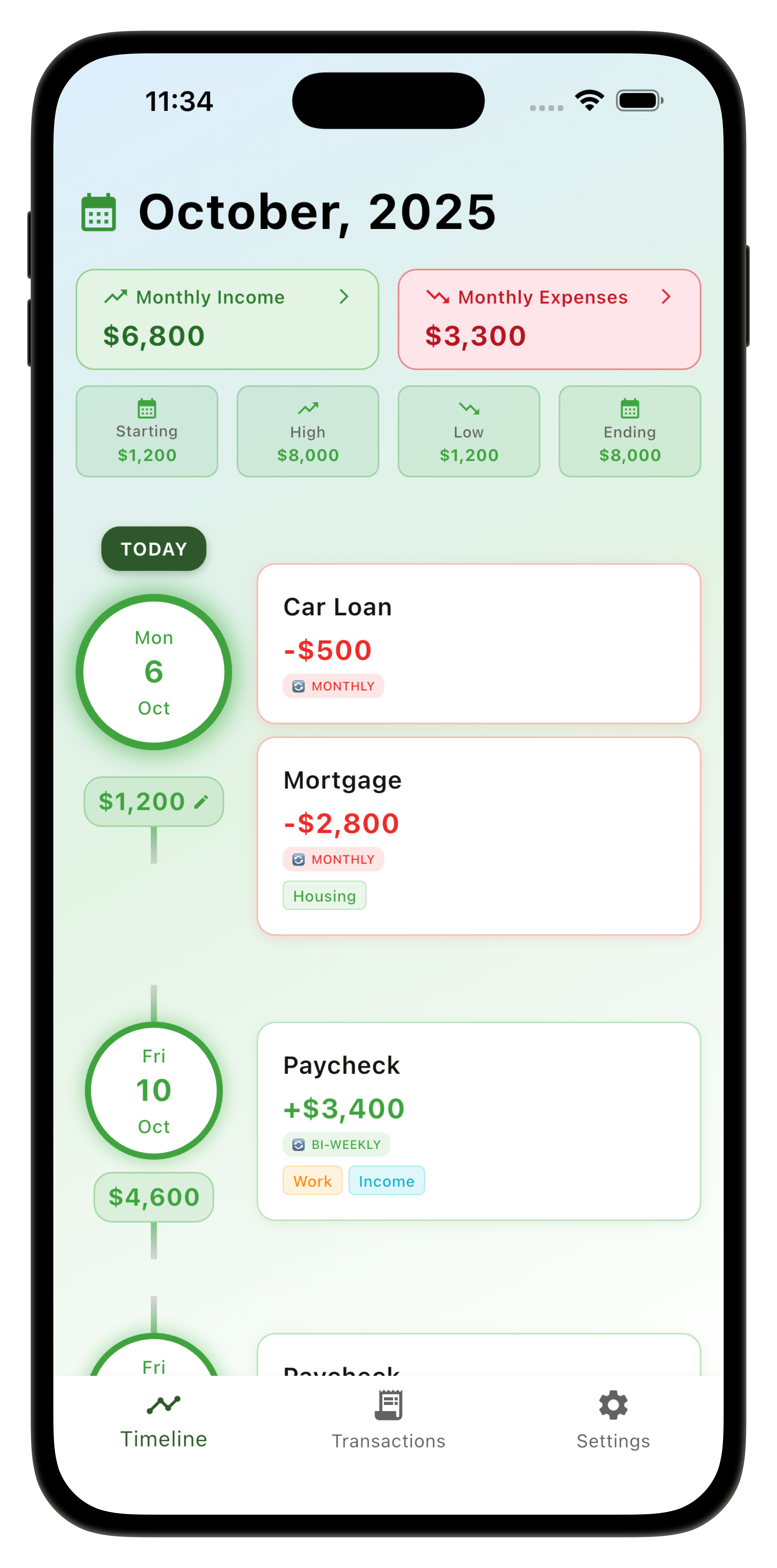
Managing money can often feel overwhelming, especially when it comes to keeping track of expenses and understanding our spending habits. The good news is that budgeting doesn’t have to be complicated or invasive. By understanding the psychology behind our spending behaviors and adopting simple budgeting techniques, we can pave the way for financial awareness while prioritizing our privacy. Let’s explore how to make budgeting approachable, stress-free, and in line with our values.
The Psychology of Spending: Why We Buy
Before diving into budgeting strategies, it’s essential to understand why we spend money the way we do. Here are a few psychological factors at play:
-
Emotional Triggers: Many of us use shopping as a way to cope with stress, boredom, or even happiness. Recognizing this can help us make more conscious spending decisions.
-
Social Influences: We often feel pressure to keep up with friends, family, or social media influencers, leading to impulsive purchases that don’t align with our financial goals.
-
Instant Gratification: The allure of immediate satisfaction can cloud our judgment, making it easy to overlook long-term financial health in favor of a quick reward.
Understanding these triggers is the first step toward changing our spending habits. By becoming aware of our motivations, we can take control and make more intentional choices.
Practical Strategies for Simple Budget Tracking
When it comes to budgeting, simplicity is key. Here are a few practical strategies to help you track your money without feeling overwhelmed:
1. The Envelope Method
This classic budgeting technique involves allocating a specific amount of cash for different spending categories (like groceries, entertainment, and dining out) into envelopes. Once the cash is gone, that’s it for the month. This method encourages mindful spending and helps you stick to your budget.
2. Daily Tracking Habit
Dedicate a few minutes each day to jot down your expenses. You can use the Am I Good app to track your income and expenses without the hassle of creating accounts or sharing data. This daily habit not only keeps you aware of your spending but also helps you identify patterns over time.
3. Weekly Check-Ins
Set aside time each week to review your spending and adjust your budget as needed. This proactive approach prevents overspending and helps you stay aligned with your financial goals.
Tips for Maintaining Financial Privacy
In an age where data privacy is often compromised, it’s essential to keep your financial information secure. Here are some simple tips to maintain your financial privacy while budgeting:
1. Use Cash When Possible
Using cash can help limit your digital footprint. When you pay in cash, there’s no record of the transaction that can be tracked back to you.
2. Avoid Linking Accounts
If you’re using a budgeting app, choose one like Am I Good that doesn’t require linking bank accounts or providing personal information. This allows you to maintain control over your data.
3. Regularly Review Your Financial Accounts
Stay vigilant by regularly checking your financial statements for unauthorized transactions. This not only protects your privacy but also keeps you aware of your spending habits.
Mindset Shifts for Financial Wellness
To create sustainable financial habits, consider adopting these simple mindset shifts:
1. View Budgeting as Empowering, Not Restrictive
Instead of seeing budgeting as a limitation, view it as a tool for empowerment. A budget gives you clarity and control over your finances, allowing you to prioritize what truly matters to you.
2. Focus on Progress, Not Perfection
Don’t get discouraged by small setbacks. Financial wellness is a journey, and it’s okay to make adjustments along the way. Celebrate your successes, no matter how small.
3. Practice Gratitude for What You Have
Cultivating an attitude of gratitude can reduce the urge to spend unnecessarily. Reflect on what you already have and how it contributes to your happiness.
Real-World Examples
Let’s consider Sarah, a military spouse who often felt overwhelmed by her family’s finances. After realizing her spending was mostly influenced by emotional triggers, she decided to adopt the envelope method. Each month, she allocated cash for various categories, which helped her stick to her budget without the need for complex apps. The simple act of physically handling cash made her feel more in control and aware of her spending.
Another example is Mike, a frequent mover who found it challenging to track his finances while adjusting to new environments. He began using the Am I Good app to jot down his daily expenses. By dedicating just five minutes each evening to track his spending, he could see where his money was going and adjust his budget accordingly. This simple habit significantly reduced his financial stress.
Stress-Reduction Approaches to Money Management
Managing money doesn’t have to be a source of stress. Here are a few approaches to help you feel more relaxed about your finances:
1. Mindfulness Practices
Incorporate mindfulness techniques, like meditation or deep breathing, when reviewing your finances. This can help you approach budgeting with a clear and calm mindset.
2. Set Realistic Goals
Establish achievable financial goals that motivate you, whether it’s saving for a vacation or paying off debt. Break these goals into smaller, manageable steps to avoid feeling overwhelmed.
3. Celebrate Small Wins
Acknowledge your progress, no matter how minor. Celebrating small wins can boost your motivation and reinforce positive financial habits.
Conclusion
Understanding the psychology of spending and adopting simple budget tracking techniques can significantly improve your financial wellness. By embracing the philosophy of privacy and simplicity, you can take control of your finances without feeling overwhelmed. Remember, budgeting is not about restriction; it’s about empowerment and awareness. Start small, stay consistent, and watch as your financial stress melts away, paving the way for a more secure financial future.
With tools like Am I Good, managing your money can be as straightforward and private as it should be. Take the first step today, and embrace the peace of mind that comes with simple, intentional budgeting.
Ready for simple, private budgeting? Try Am I Good? and track your income and expenses effortlessly—no accounts, no data sharing, just straightforward financial awareness.