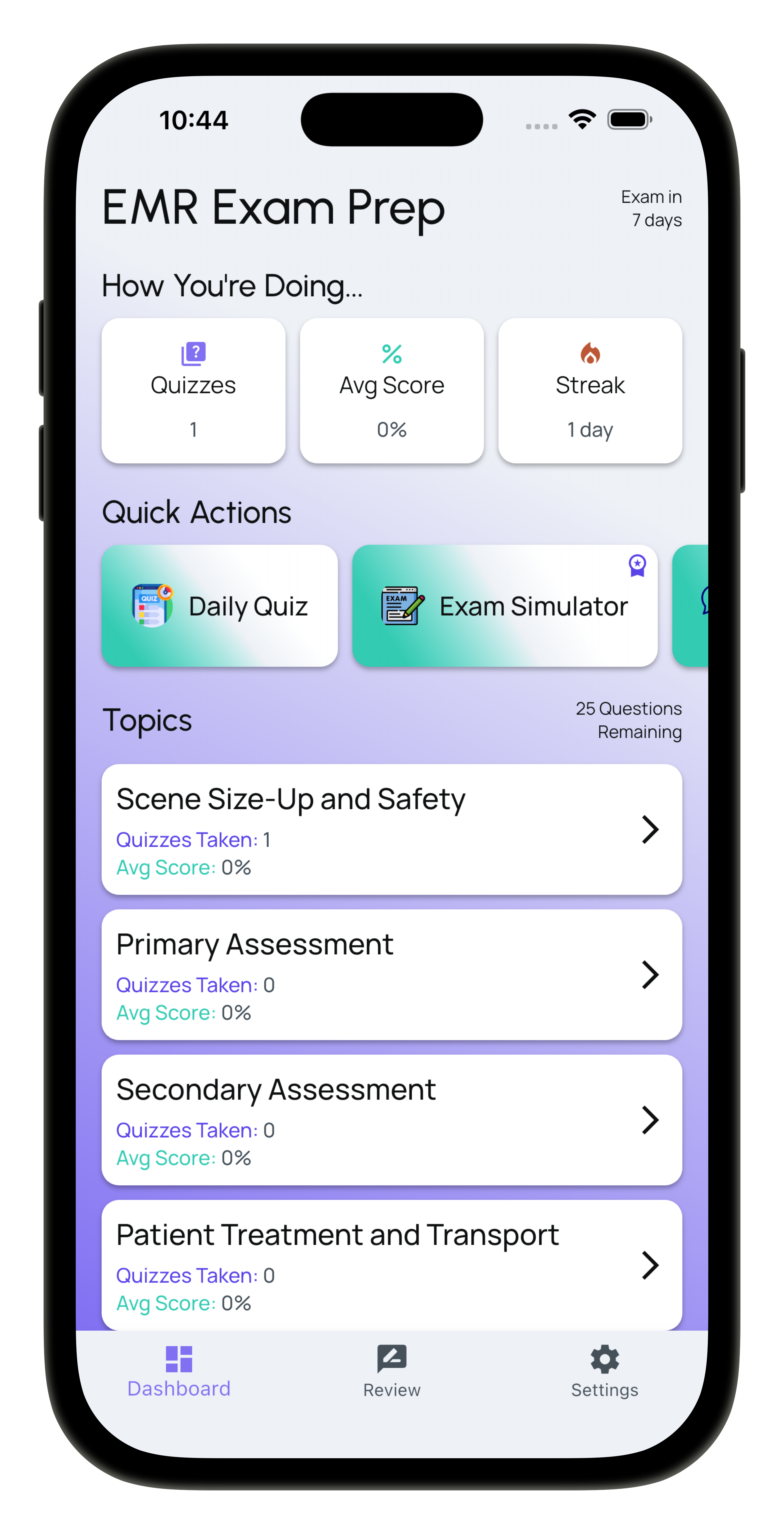
EMR Exam Prep
As an aspiring Emergency Medical Responder (EMR), you are stepping into a world where your skills can make a life-or-death difference. Basic Life Support (BLS) techniques are fundamental in emergency scenarios, and mastering these skills is crucial for your success. In this blog post, we will explore essential BLS techniques, offer practical training tips, provide real-world applications of these skills, and guide you on your journey as a new EMR. Let’s dive in!
Understanding Basic Emergency Medical Concepts
Before we delve into the specific skills you will need to master, it’s essential to understand some basic concepts that underpin emergency medical response:
-
The Chain of Survival: This concept outlines the critical steps that can lead to better outcomes for cardiac arrest victims. The steps include early recognition and activation of the emergency response system, early CPR, early defibrillation, and post-cardiac arrest care.
-
Assessment and Scene Safety: Always ensure the scene is safe before approaching a victim. Assess the environment for potential hazards, and remember the ABCs (Airway, Breathing, Circulation) to prioritize your actions.
-
Basic Life Support Skills: These include CPR (Cardiopulmonary Resuscitation), the use of an Automated External Defibrillator (AED), and the management of choking. Mastering these skills will enable you to respond effectively in emergencies.
Essential BLS Techniques Every EMR Should Master
Cardiopulmonary Resuscitation (CPR)
CPR is a critical skill every EMR must master, as it can significantly increase the chances of survival for a cardiac arrest victim. Here’s a quick refresher on performing CPR:
- For Adults:
- Check responsiveness: Tap and shout, “Are you okay?”
- Call for help: Activate EMS.
- Start compressions: Place your hands in the center of the chest and push hard and fast (at least 100-120 compressions per minute).
- Airway and Breathing: After 30 compressions, open the airway using the head-tilt, chin-lift maneuver, and deliver 2 rescue breaths.
- For Children and Infants: The technique is similar, but the depth and force of compressions differ. Use one hand for children and two fingers for infants, compressing about 1-1.5 inches deep.
Use of an Automated External Defibrillator (AED)
An AED can be a lifesaver during a cardiac emergency. Familiarize yourself with its operation:
- Turn on the AED: Follow the voice prompts.
- Attach pads: Place the pads on the bare chest as instructed.
- Clear the area: Ensure no one is touching the victim and allow the AED to analyze the heart rhythm.
- Deliver shock if advised: Ensure you are clear of the patient before pressing the shock button.
Choking Relief
Knowing how to assist someone who is choking is vital:
- For Adults and Children: Use the Heimlich maneuver (abdominal thrusts) for conscious victims, and if they become unconscious, perform CPR.
- For Infants: Give five back blows followed by five chest thrusts.
Practical Training and Study Tips
Hands-On Practice
Practice is key to mastering BLS techniques. Here are some training tips to enhance your skills:
- Join a CPR Course: Consider enrolling in a local or online CPR class to practice your skills under the guidance of certified instructors.
- Utilize Simulation Manikins: Many training programs provide manikins that simulate real-life scenarios. Use them to practice your compressions and rescue breaths.
- Participate in Study Groups: Collaborate with fellow students to review techniques, quiz each other, and share knowledge.
Leverage EMR Exam Prep Resources
EMR Exam Prep offers a range of study materials and practice questions tailored to help you succeed in your certification journey. Utilize these resources to reinforce your understanding of BLS techniques and other essential skills.
Real-World Application Examples
Understanding how to apply your skills in real-world scenarios is vital:
-
Cardiac Arrest Victim: Imagine you arrive at a supermarket where an individual has collapsed. Your knowledge of CPR and AED usage allows you to act quickly, ensuring the victim receives immediate care while waiting for EMS.
-
Choking Incident: During a community event, you notice a child is unable to breathe and is clutching their throat. Your training kicks in as you perform the Heimlich maneuver, successfully dislodging the obstruction.
These scenarios highlight the importance of your training and the impact you can have as an EMR.
Career Guidance for New EMRs
As you embark on your EMS career, consider the following tips:
- Stay Educated: Continuous learning is essential. Attend workshops, refresher courses, and seek advanced certifications as you progress.
- Network: Connect with experienced EMS professionals and mentors who can guide you and offer valuable insights.
- Volunteer: Gain experience by volunteering with local EMS services or community emergency response teams. This can enhance your skills and improve your resume.
Safety Considerations and Best Practices
Safety is paramount in emergency response. Here are some best practices to keep in mind:
- Personal Safety: Always wear appropriate personal protective equipment (PPE) when responding to emergencies.
- Scene Safety: Continuously assess the scene for hazards, such as traffic, fire, or unstable structures.
- Emotional Safety: Emergency situations can be stressful. Practice self-care and seek support from colleagues or professionals when needed.
Final Thoughts
Becoming an Emergency Medical Responder is not just about acquiring skills; it’s about making a difference. By mastering basic life support techniques and understanding their application, you are equipping yourself to handle emergencies effectively. Remember, practice makes perfect, and with resources like EMR Exam Prep, you have the tools to succeed. Embrace your journey, stay committed, and know that you are on the path to becoming a vital member of your community’s emergency response team. Your training today will save lives tomorrow!
Starting your EMR certification journey? Try EMR Exam Prep for practice questions and study materials designed to help you succeed as an Emergency Medical Responder.