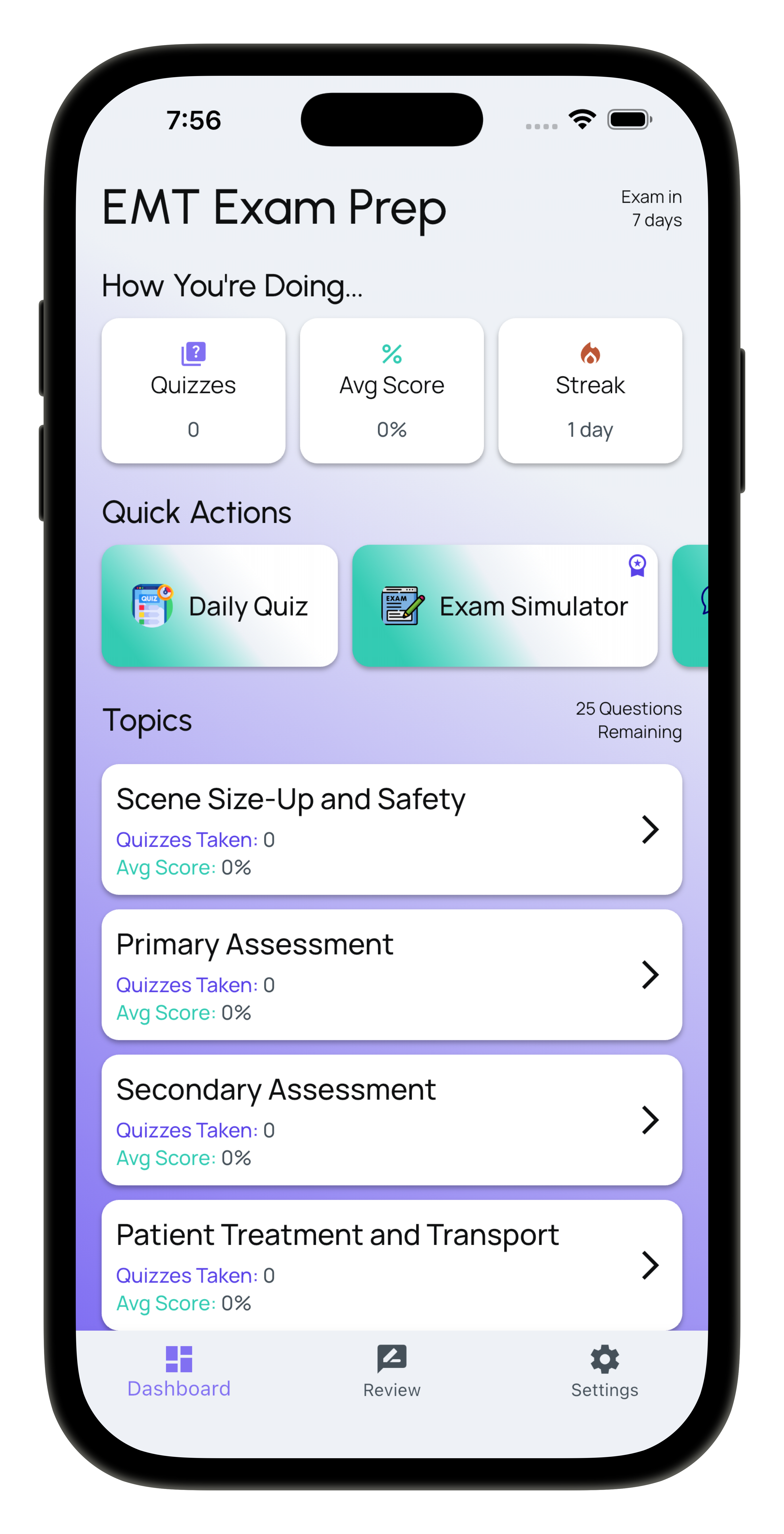
EMT Exam Prep 2025
Effective communication is a cornerstone of emergency medical services (EMS) that directly impacts patient outcomes, team dynamics, and the overall success of emergency responses. As an EMT candidate or emergency responder, honing your communication skills is not just beneficial—it is essential. In this blog post, we will explore the critical role of communication in emergency medical settings, provide practical strategies to enhance your communication skills, and illustrate how these skills directly relate to your success in the EMT certification exam and your future career.
The Importance of Communication in EMS
Communication in EMS encompasses a wide range of interactions, from relaying vital information to team members, to interacting with patients and their families. The stakes are high in emergency situations where clarity and efficiency can significantly impact patient care. Here are several reasons effective communication is crucial:
-
Patient Assessment and Care: Clear communication allows EMTs to accurately assess patients’ needs, gather vital signs, and relay information crucial for treatment.
-
Team Coordination: Emergency responses often involve multiple personnel and agencies. Effective communication ensures that everyone is on the same page, reducing the risk of errors and improving patient outcomes.
-
Patient Reassurance: In high-stress situations, patients may feel anxious or confused. Clear communication can help alleviate their fears, ensuring they understand what is happening and the care they are receiving.
-
Documentation and Reporting: Accurate communication is vital for documenting patient information and transmitting it to receiving facilities, which is essential for continuity of care.
Key Communication Skills for Emergency Medical Professionals
Active Listening
Active listening is an essential skill for EMTs. It involves not just hearing what others are saying, but fully understanding and interpreting their messages. Here are some tips to improve your active listening skills:
- Maintain Eye Contact: This shows the speaker that you are engaged and interested in their message.
- Avoid Interrupting: Allow the speaker to complete their thoughts before responding. This shows respect for their input.
- Summarize and Clarify: Repeat back what you’ve heard to confirm understanding and ask clarifying questions if needed.
Clear and Concise Messaging
In emergencies, every second counts. Being able to communicate information clearly and concisely is vital. Here’s how you can ensure your communications are effective:
- Use Simple Language: Avoid medical jargon when speaking with patients or family members. Instead, use layman’s terms to ensure understanding.
- Be Direct: Get to the point quickly, especially when giving or receiving instructions.
- Utilize the SBAR Technique: This stands for Situation, Background, Assessment, and Recommendation. It’s a structured way to communicate critical information, particularly during handoffs.
Non-Verbal Communication
Non-verbal cues can significantly influence how your message is received. Be mindful of your body language, facial expressions, and tone of voice:
- Body Language: Open and relaxed body language can help put patients at ease.
- Facial Expressions: Ensure your expressions match your message. A calm demeanor can foster trust.
- Tone of Voice: Use a calm and reassuring tone, especially when dealing with anxious patients or families.
Empathy and Compassion
Empathy is a vital component of effective communication in EMS. It involves understanding and being sensitive to the feelings of others. Here’s how to practice empathy:
- Acknowledge Emotions: Recognize and validate the feelings of patients and their families. A simple acknowledgment can go a long way.
- Show Compassion: Be mindful of your responses and strive to comfort those in distress. Your compassion can help to ease their fears and build rapport.
Practical Study Strategies
As you prepare for your EMT certification exam, integrating communication skills into your study routine can enhance your understanding and application of the material:
-
Role-Playing Scenarios: Engage in practice scenarios with classmates where you role-play as the EMT and the patient. This will help you practice active listening, empathy, and concise communication in a controlled environment.
-
Simulated Calls: Utilize simulation labs or software to practice real-life emergency calls. Focus on using the SBAR technique and other communication strategies while under pressure.
-
Peer Feedback: After practicing communication skills, seek feedback from peers or instructors. This will help you identify areas for improvement and reinforce effective techniques.
-
Reflective Journaling: After each practical session or simulation, take time to journal your experiences. Reflect on what communication strategies worked well and what could be improved for next time.
Conclusion
Effective communication is more than just a skill; it is a vital aspect of patient care and safety in emergency medical services. By mastering these communication skills, you will not only improve your interactions with patients and colleagues but also enhance your ability to succeed in your EMT certification exam and your future career. Remember, the knowledge and expertise you gain through EMT Exam Prep can empower you to develop these essential skills, ensuring you are well-prepared for the challenges of emergency medical situations. As you move forward in your studies, prioritize communication as a key area of focus, and you will be well on your way to becoming a competent and compassionate EMT.
Ready to become a certified EMT? Try EMT Exam Prep 2025 for comprehensive NREMT-style practice questions with detailed explanations covering all essential certification content areas.