Am I Good? - Simple Budgeting
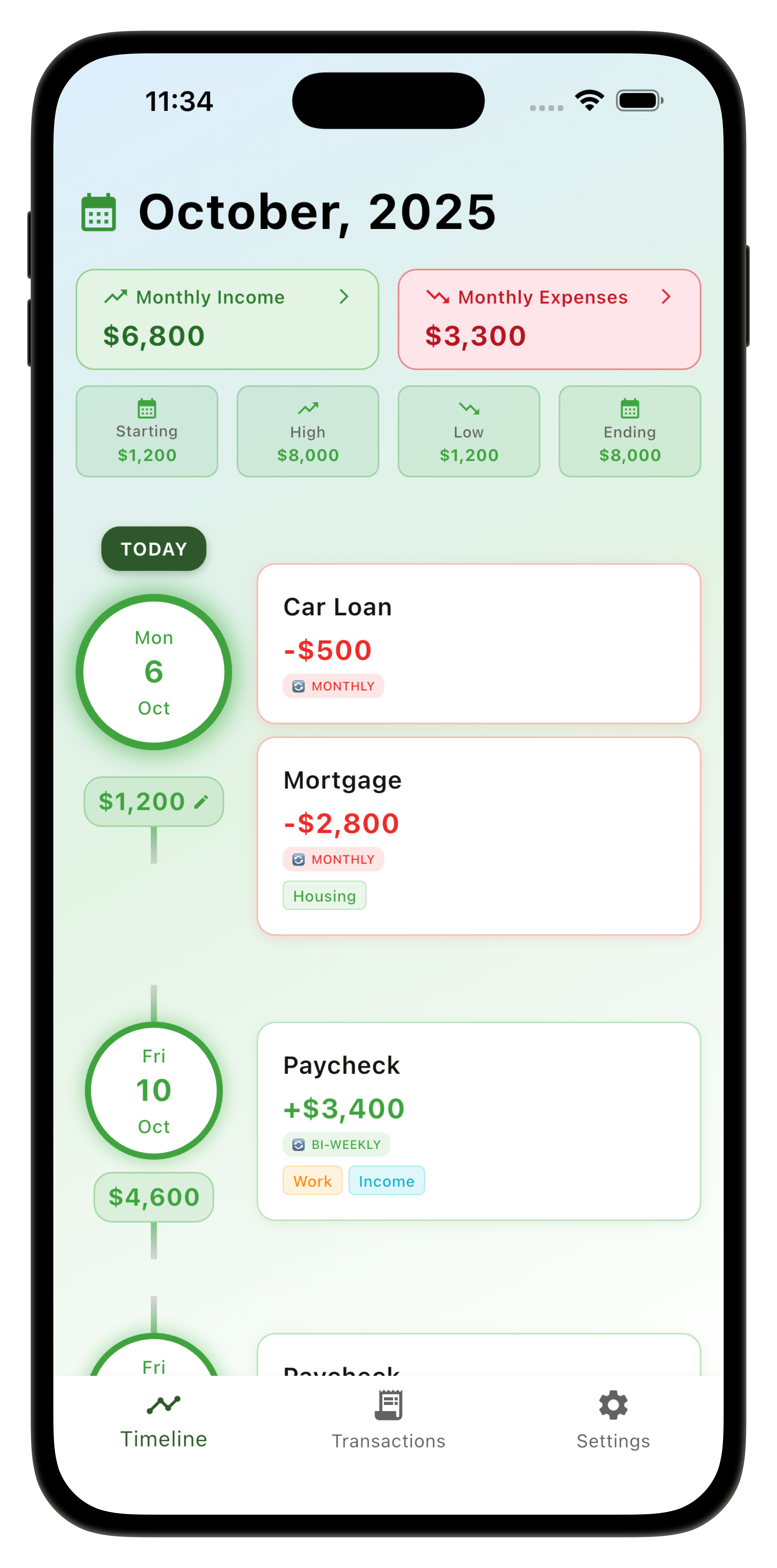
Budgeting doesn’t have to feel overwhelming or intrusive. In fact, with the right practices, you can achieve financial wellness while maintaining your privacy. At Am I Good, we believe that managing your money should be straightforward, sustainable, and most importantly, respectful of your privacy. Here are some practical and simple budgeting strategies that will help you cultivate lasting financial habits without the stress.
1. Create a Simple Income and Expense Tracker
Tracking your income and expenses is the foundation of effective budgeting, but it doesn’t need to be complicated.
Action Step: Set Up a Basic Tracker
- Choose Your Medium: You can use a simple spreadsheet, a notebook, or a privacy-focused app like Am I Good. The key is to select a method that feels comfortable for you.
- List Your Income Sources: Write down all your sources of income, whether it’s your salary, freelance work, or passive income streams.
- Record Your Expenses: Every month, jot down your fixed (rent, utilities) and variable expenses (groceries, entertainment).
Real-World Example:
Consider Sarah, a busy military spouse who moves frequently. By keeping a straightforward spreadsheet, she can easily track her income and expenses each month. This method gives her a clear picture of where her money goes, allowing her to adjust as needed without stress.
2. Prioritize Your Spending with the 50/30/20 Rule
The 50/30/20 budgeting rule is a simple and effective way to manage your finances sustainably.
Action Step: Allocate Your Income
- 50% Needs: Allocate half of your income to essential expenses like housing, food, and transportation.
- 30% Wants: Set aside 30% for discretionary spending—things that enhance your life but aren’t necessities.
- 20% Savings and Debt Repayment: Use the remaining 20% for savings, retirement contributions, or paying down debt.
Mindset Shift:
Instead of viewing budgeting as deprivation, think of it as a way to prioritize what truly matters to you. By clearly defining your needs and wants, you can make informed decisions without feeling guilty.
3. Maintain Financial Privacy
In a world where data privacy is increasingly compromised, protecting your financial information is essential.
Action Step: Use Privacy-Focused Tools
- Opt for No-Account Tracking Apps: Platforms like Am I Good don’t require you to create an account or share sensitive data. This keeps your financial information secure while you manage your budget.
- Be Mindful of Public Wi-Fi: Avoid accessing sensitive financial information on public networks to safeguard your data.
Real-World Example:
John, a tech-savvy individual, uses a privacy-focused budgeting app to track his expenses. He appreciates that he can manage his finances without worrying about data breaches or targeted ads.
4. Embrace a Flexible Mindset
Life is unpredictable, and your budget should reflect that reality. Embracing flexibility in your financial planning can reduce stress and help you adapt to changing circumstances.
Action Step: Review and Adjust Regularly
- Monthly Check-Ins: Set aside time each month to review your budget. Are there areas where you can cut back? Do you have unexpected expenses to factor in?
- Celebrate Small Wins: Acknowledge your progress, whether it’s paying off a small debt or sticking to your budget for a month. Recognizing these achievements keeps you motivated.
Simple Techniques:
- Use the “Envelope System”: Allocate cash for different spending categories. When the cash is gone, you know it’s time to stop spending in that area. This method is tactile and keeps your spending in check.
5. Stress Reduction Approaches to Money Management
Managing money can be a significant source of stress, but it doesn’t have to be.
Action Step: Incorporate Mindfulness
- Practice Gratitude: Reflect on what you’re thankful for in your financial life. This could be a steady income or the ability to save. A gratitude practice can shift your mindset from scarcity to abundance.
- Breathe and Reflect: When you feel overwhelmed by finances, take a moment to breathe deeply. Reflect on your financial goals and remind yourself that budgeting is a journey, not a race.
Real-World Example:
Lisa, a frequent mover, started a weekly money mindfulness ritual where she spends 10 minutes reviewing her spending and reflecting on her goals. This practice has transformed her approach to money, making it feel less like a chore and more like a proactive step toward her future.
Conclusion: Simple Steps Lead to Sustainable Financial Wellness
Sustainable budgeting practices do not require complexity; they thrive on simplicity, privacy, and small, actionable steps. By implementing these strategies, you can cultivate a healthy relationship with your finances that respects your privacy and helps you achieve long-term success. Remember, budgeting is not about restriction; it’s about empowerment and awareness.
With Am I Good, you can navigate your financial journey with confidence, knowing that your information remains private and your budgeting process is simple. Start today, and watch your financial wellness grow!
Ready for simple, private budgeting? Try Am I Good? and track your income and expenses effortlessly—no accounts, no data sharing, just straightforward financial awareness.