EMT Exam Prep 2025
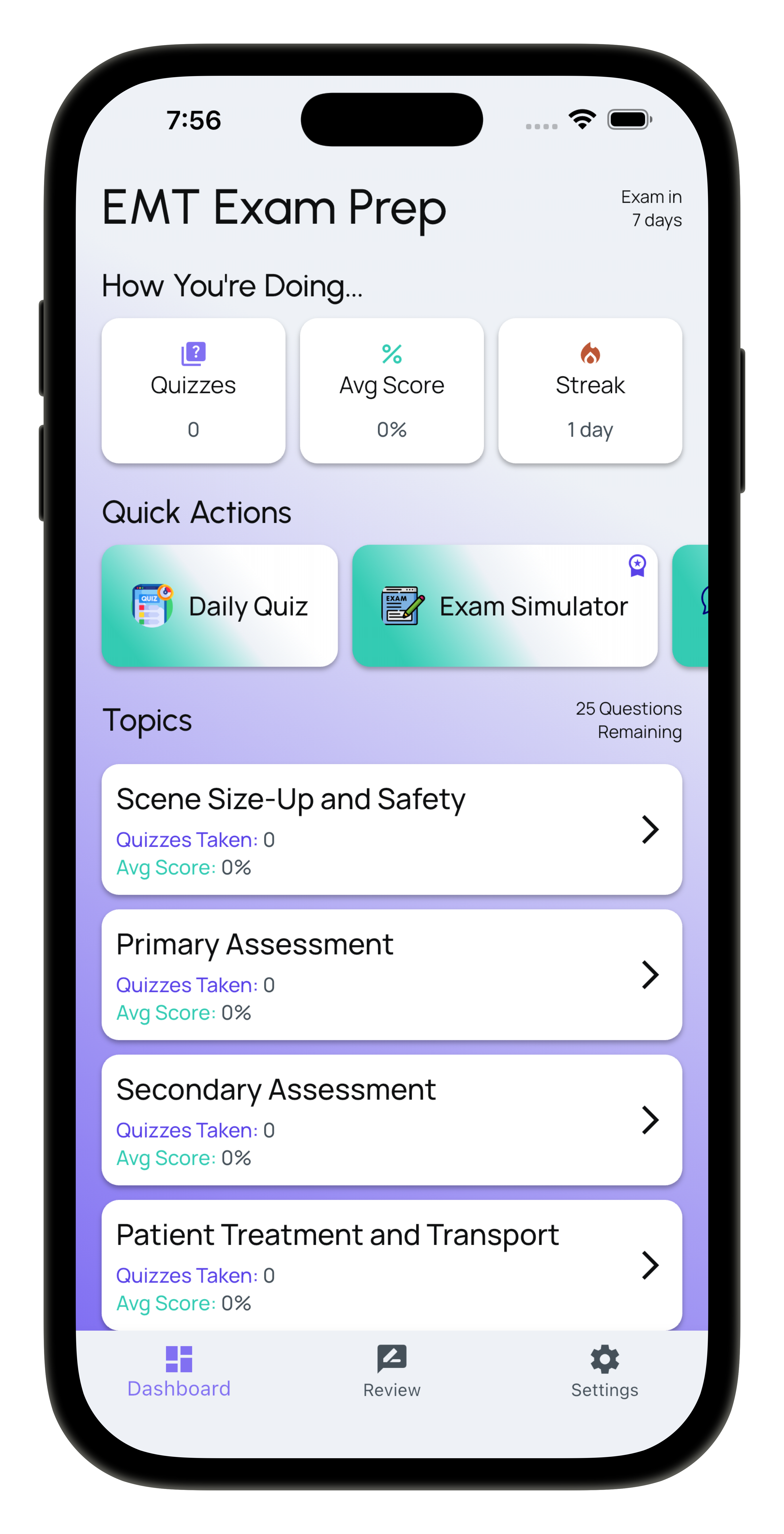
Cardiovascular emergencies are among the most critical situations that emergency medical technicians (EMTs) face in the field. The ability to quickly recognize and treat these conditions can be a matter of life and death. As an EMT candidate preparing for certification, understanding the nuances of cardiovascular emergencies, including the signs, symptoms, and appropriate interventions, is essential for effective patient care. In this blog post, we will explore common cardiovascular emergencies, their recognition, treatment protocols, and practical tips to help you succeed on your EMT certification exam.
Understanding Cardiovascular Emergencies
Cardiovascular emergencies encompass a range of conditions affecting the heart and blood vessels, leading to compromised blood circulation and oxygen delivery to vital organs. Some of the most common emergencies include:
- Myocardial Infarction (Heart Attack)
- Congestive Heart Failure (CHF)
- Cardiac Arrest
- Arrhythmias
- Hypertensive Emergencies
Recognizing the signs and symptoms of these conditions is crucial for timely intervention and improved patient outcomes.
Myocardial Infarction (Heart Attack)
Recognition: The classic symptoms of a myocardial infarction include chest pain or discomfort that may radiate to the arms, back, neck, jaw, or stomach. Patients may also experience shortness of breath, sweating, nausea, or lightheadedness. In some cases, particularly in women, symptoms may be atypical or less pronounced.
Treatment: As an EMT, your primary goal is to provide rapid assessment and transport. Key interventions include:
- Ensure Scene Safety: Assess the environment and ensure that it is safe for you and the patient.
- Call for Advanced Life Support (ALS): Notify dispatch for advanced medical assistance.
- Positioning: Place the patient in a comfortable position, typically sitting up, to ease breathing.
- Administer Oxygen: Provide supplemental oxygen if the patient exhibits signs of hypoxia or respiratory distress.
- Aspirin Administration: If protocols allow, administer aspirin to help prevent further clotting, unless contraindicated.
Congestive Heart Failure (CHF)
Recognition: CHF can present with symptoms such as dyspnea, edema, fatigue, and a persistent cough producing pink, frothy sputum. Patients may also exhibit jugular vein distention and crackles upon auscultation of lung sounds.
Treatment: The primary focus in treating CHF involves alleviating respiratory distress and ensuring adequate circulation:
- Position the Patient: Fowler’s position (sitting upright) can help ease breathing.
- Oxygen Therapy: Administer oxygen to address hypoxia.
- Monitor Vital Signs: Keep track of the patient’s heart rate, blood pressure, and respiratory rate.
- Prepare for ALS Transport: Notify dispatch for advanced support, as medication interventions may be necessary.
Cardiac Arrest
Recognition: Cardiac arrest is characterized by the absence of pulse, unresponsiveness, and lack of normal breathing. Immediate recognition and action are crucial.
Treatment: The following steps are essential in a cardiac arrest scenario:
- Call for Help: Activate emergency medical services (EMS) immediately.
- Initiate CPR: Begin high-quality chest compressions at a rate of 100-120 compressions per minute, allowing full chest recoil between compressions.
- Use an AED: If available, apply an automated external defibrillator (AED) as soon as possible. Follow the prompts for rhythm analysis and shock delivery if indicated.
- Continue CPR: Do not stop CPR until advanced medical personnel arrive or the patient shows signs of life.
Hypertensive Emergencies
Recognition: Hypertensive emergencies may manifest with severe headache, visual changes, chest pain, and altered mental status. Blood pressure readings may exceed 180/120 mmHg.
Treatment: Your role as an EMT involves careful monitoring and supportive care:
- Monitor Vital Signs: Regularly assess blood pressure, heart rate, and level of consciousness.
- Positioning: Place the patient in a comfortable position, preferably sitting or lying down.
- Provide Oxygen: Administer oxygen if the patient exhibits signs of distress or hypoxia.
- Transport: Prepare for prompt transport to a medical facility for further evaluation and treatment.
Practical Takeaways for EMT Candidates
-
Practice Recognition Skills: Use the EMT Exam Prep app’s practice questions to test your knowledge on recognizing various cardiovascular emergencies. Familiarity with clinical presentations will enhance your assessment skills.
-
Review Protocols Regularly: Ensure you are well-versed in your local protocols regarding the treatment of cardiovascular emergencies. This knowledge is crucial during both your certification exam and real-life scenarios.
-
Simulate Scenarios: Engage in hands-on training and simulations that mimic cardiovascular emergencies. Practical experience will solidify your understanding and improve your confidence.
-
Stay Updated: Keep abreast of the latest guidelines from the American Heart Association (AHA) and the National Registry of Emergency Medical Technicians (NREMT) regarding CPR and emergency cardiovascular care.
Conclusion
Mastering the recognition and treatment of cardiovascular emergencies is vital for EMT candidates preparing for certification. By understanding the signs and symptoms, performing appropriate interventions, and utilizing the resources available through the EMT Exam Prep app, you can enhance your knowledge and skills in this critical area of emergency medical services. As you embark on your journey to becoming a certified EMT, remember that your capability to provide life-saving care during cardiovascular emergencies can significantly impact patient outcomes. With dedication and practice, you’ll be well on your way to passing your EMT certification exam and excelling in your future career as a first responder.
Ready to become a certified EMT? Try EMT Exam Prep 2025 for comprehensive NREMT-style practice questions with detailed explanations covering all essential certification content areas.