EMR Exam Prep
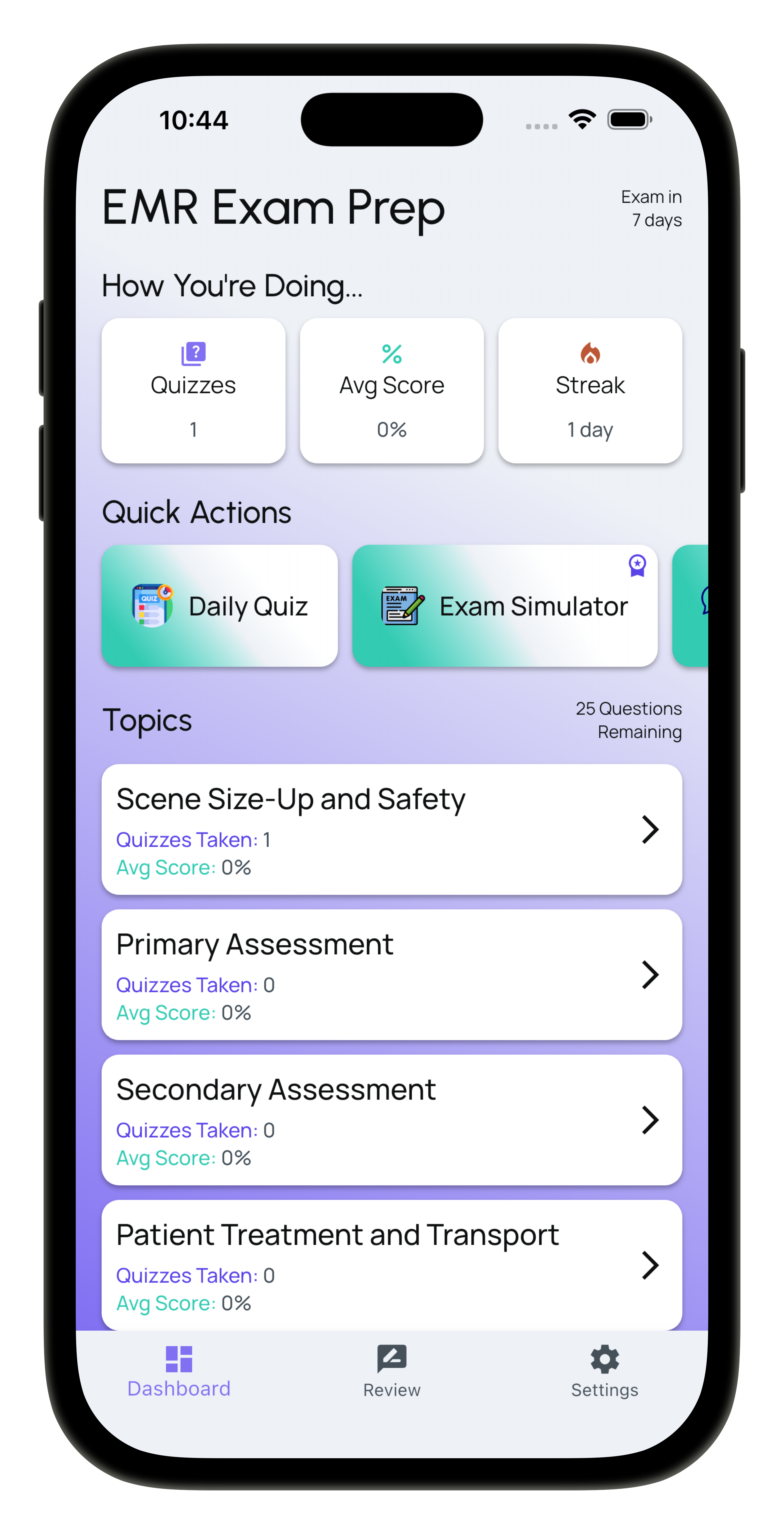
As you embark on your journey to become an Emergency Medical Responder (EMR), it’s essential to grasp not only the skills and concepts you’ll be learning but also the legal frameworks that govern your practice. Understanding your scope of practice, along with the legal considerations that come with it, will empower you to provide the best care possible while ensuring your own safety and compliance. In this comprehensive guide, we’ll explore basic emergency medical concepts, practical training tips, real-world applications, career guidance, and essential safety considerations.
Basic Emergency Medical Concepts and Skills
At the core of EMR training are foundational skills that can save lives. Here are some key concepts you should be familiar with:
1. Basic Life Support (BLS)
BLS is a critical skill set that all EMRs must master. This includes:
- CPR (Cardiopulmonary Resuscitation): Understand the proper techniques for adult, child, and infant CPR. Remember, chest compressions are vital and should be performed at a rate of 100-120 compressions per minute.
- Automated External Defibrillator (AED) Use: Familiarize yourself with how to operate an AED, including placing pads correctly and following the device’s voice prompts.
2. First Aid Skills
First aid encompasses a wide range of skills, from controlling bleeding to managing fractures. Essential techniques include:
- Wound care: Learn how to clean and dress wounds properly to prevent infection.
- Shock management: Recognize the signs of shock and implement appropriate measures, such as elevating the legs and maintaining body temperature.
3. Patient Assessment
Being able to assess a patient quickly is critical in emergency situations. Focus on:
- Primary Assessment: Check responsiveness, airway, breathing, and circulation (ABCs).
- Secondary Assessment: Conduct a more detailed examination after stabilizing life-threatening conditions.
Practical Training and Study Tips
As you prepare for your EMR certification, here are some actionable training and study tips:
1. Utilize EMR Exam Prep Resources
Leverage our app, which offers practice questions, quizzes, and study materials tailored specifically for EMR training. Regularly testing your knowledge will reinforce learning and boost confidence.
2. Hands-On Practice
Join local EMS training sessions or community first aid classes. Hands-on practice is invaluable for mastering skills like CPR and wound management. The more you practice, the more natural these skills will become.
3. Form a Study Group
Collaborate with fellow students to review course material and practice scenarios. Teaching each other can reinforce your understanding and make studying more engaging.
4. Create Study Schedules
Establish a regular study routine that includes daily review of key concepts. Breaking material into manageable sections will help prevent overwhelming yourself as the exam date approaches.
Real-World Application Examples
Understanding how to apply your training in real-world situations is crucial. Here are a couple of scenarios you might encounter:
1. Cardiac Arrest
Imagine arriving at a scene where a bystander is performing CPR on an unresponsive adult. Your immediate actions should include:
- Taking over CPR: Assess the quality of compressions and ensure you’re following the correct technique.
- Calling for an AED early and attaching it as soon as possible upon arrival.
2. Trauma Incident
In a situation involving a vehicle collision, you might find a patient with a visible fracture. Your steps should include:
- Ensuring scene safety: Check for potential hazards before approaching.
- Stabilizing the injury: Apply a splint if trained to do so, while also monitoring the patient’s vital signs and consciousness.
Career Guidance for New EMRs
As you transition from training to a career in emergency medical response, consider the following:
1. Networking
Connect with other EMS professionals through local events, workshops, or online forums. Building relationships within the community can lead to job opportunities and mentorship.
2. Continued Education
Consider pursuing further certifications, such as Advanced EMT or Paramedic training, as you gain experience. These qualifications can open new doors and enhance your skills.
3. Volunteer Opportunities
Joining a volunteer EMS service can provide hands-on experience and improve your confidence in real-life situations. Many rural areas rely heavily on volunteers, offering an excellent chance to contribute while gaining practical skills.
Safety Considerations and Best Practices
Safety should always be a top priority. Here are some best practices to keep in mind:
1. Personal Safety
Always assess the scene for hazards before providing care. This includes checking for traffic, fire, or any other potential dangers.
2. Infection Control
Practice good hygiene by washing your hands and using personal protective equipment (PPE) as needed. This is vital in preventing the spread of infections, especially in situations where blood is present.
3. Documentation
Accurate documentation of patient care is essential. Take notes on the patient’s condition, your interventions, and any changes observed. This information is crucial for other healthcare providers and legal protection.
Conclusion
Embarking on your journey as an Emergency Medical Responder is both exciting and challenging. By understanding your scope of practice and the legal considerations involved, you’ll be better prepared to face the realities of emergency medical care. Utilize the resources available through EMR Exam Prep to enhance your training, practice diligently, and always prioritize the safety of yourself and your patients.
Remember, every great responder started where you are now—stay committed and confident in your ability to make a difference in the lives of others. Good luck on your journey, and welcome to the rewarding world of emergency medical response!
Starting your EMR certification journey? Try EMR Exam Prep for practice questions and study materials designed to help you succeed as an Emergency Medical Responder.