Am I Good? - Simple Budgeting
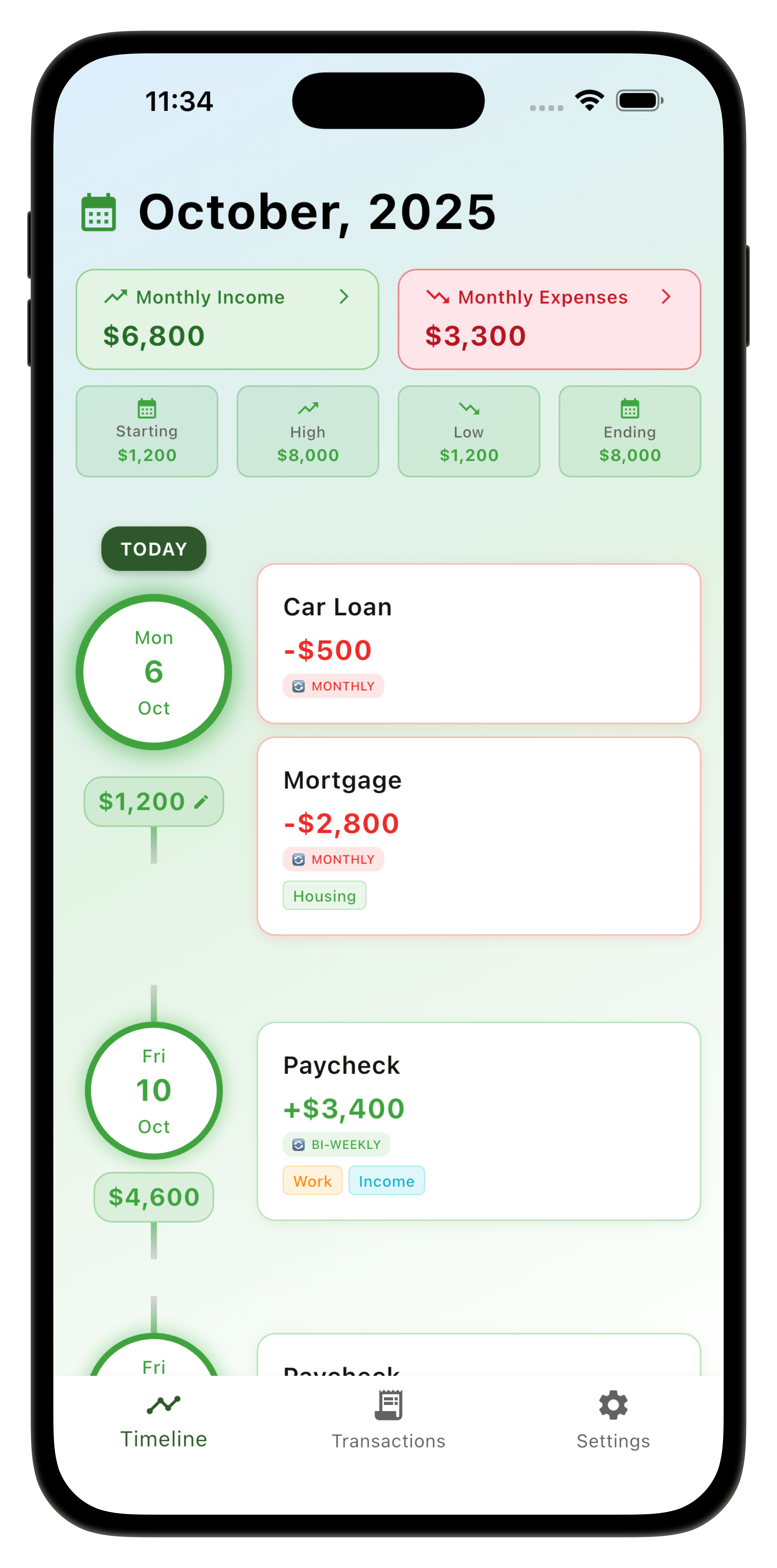
In today’s digital landscape, managing finances can feel overwhelming. With countless apps and tools vying for your attention—often requiring personal information and data sharing—it’s more important than ever to prioritize privacy while maintaining financial wellness. At Am I Good?, we believe that budgeting and financial management can be straightforward and stress-free, without compromising your privacy. Here’s how you can achieve that.
1. Practical, Easy-to-Implement Financial Strategies
Start with a Simple Budget
A budget doesn’t have to be a complex spreadsheet. Start by tracking your income and expenses using a straightforward method. You can use a pen and paper, a basic spreadsheet, or a privacy-focused budgeting app like Am I Good? that requires no accounts or data sharing.
Actionable Tip: Create three simple categories: Income, Fixed Expenses (like rent or utilities), and Variable Expenses (like groceries or entertainment). Track these categories weekly to identify spending patterns and make adjustments as needed.
Automate Savings
Saving money should be effortless. Set up a separate savings account and automate transfers each payday. You can even round up your purchases and save the spare change. This way, you’re building a safety net without extra effort.
Actionable Tip: Use apps that allow you to save without linking to your personal bank account. Instead, consider using cash envelopes for immediate savings goals, ensuring you control your spending while still saving.
2. Tips for Maintaining Financial Privacy
In a world where data breaches are common, protecting your financial information is essential. Here are practical steps to safeguard your financial privacy:
Limit Data Sharing
When using financial apps, be cautious about what information you provide. Opt for apps that don’t require personal data or account linking, like Am I Good?, which allows you to track your finances without the risk of data leaks.
Actionable Tip: Before downloading a new app, read its privacy policy to understand how your data will be used and stored.
Use Secure Connections
Always use secure Wi-Fi connections when managing finances online. Public Wi-Fi can expose your sensitive information to hackers. If you must use public Wi-Fi, consider using a Virtual Private Network (VPN) for added security.
Actionable Tip: Turn off location services for financial apps to prevent them from tracking your whereabouts.
3. Simple Budgeting Techniques and Mindset Shifts
Embrace the 50/30/20 Rule
This simple budgeting technique divides your after-tax income into three categories: 50% for needs, 30% for wants, and 20% for savings. This framework helps you manage spending without overcomplicating the process.
Actionable Tip: Adjust the percentages based on your personal situation. If you’re saving for a big purchase, you might shift more into the savings category temporarily.
Shift Your Mindset Around Money
Instead of viewing budgeting as a restrictive practice, see it as a tool for empowerment. Financial management is about making choices that align with your values and goals.
Actionable Tip: Write down your financial goals and review them regularly. This will remind you why budgeting is beneficial and keep you motivated to stick to your plan.
4. Real-World Examples that Resonate with Readers
Example 1: The Military Family
Consider a military family that moves every few years. Instead of relying on complex budgeting software, they use Am I Good? to easily track income and expenses wherever they go. This simplicity allows them to focus on their family without worrying about financial management.
Example 2: The Busy Professional
A busy professional who works long hours finds it hard to keep track of expenses. They use a simple expense tracking system on their phone, jotting down purchases as they happen. This way, they can stay on top of their budget without dedicating large chunks of time each week.
5. Stress-Reduction Approaches to Money Management
Practice Mindfulness
Financial stress often stems from feeling overwhelmed. Incorporate mindfulness practices into your financial management routine. Take a few minutes to breathe deeply and reflect on your financial situation before making decisions.
Actionable Tip: Set aside a weekly “money date” where you review your finances in a comfortable environment. This can make the process more enjoyable and less daunting.
Celebrate Small Wins
Recognize and celebrate small financial victories, whether it’s sticking to your budget for a month or reaching a savings milestone. This positive reinforcement can reduce stress and motivate you to continue.
Actionable Tip: Create a visual representation of your goals (like a vision board) and add to it as you achieve milestones, reinforcing your commitment to financial wellness.
Conclusion: Embrace Simplicity and Privacy in Financial Management
In this digital age, prioritizing privacy doesn’t have to mean sacrificing financial wellness. By implementing simple strategies, maintaining privacy, and shifting your mindset, you can manage your finances effectively and stress-free. Remember, at Am I Good?, we believe that financial management should be accessible to everyone. Start today, and take control of your financial future—your privacy and peace of mind are worth it.
Ready for simple, private budgeting? Try Am I Good? and track your income and expenses effortlessly—no accounts, no data sharing, just straightforward financial awareness.