EMT Exam Prep 2025
Effective communication is paramount in the field of emergency medical services (EMS). As an EMT candidate or emergency responder, your ability to convey information clearly and accurately can significantly impact patient outcomes, team dynamics, and overall operational efficiency. In this blog post, we will explore essential communication skills for emergency medical professionals, provide actionable tips to enhance these skills, and highlight the vital role they play in your journey toward NREMT certification success.
The Importance of Communication in EMS
Effective communication in EMS goes beyond merely exchanging information; it encompasses active listening, empathy, and clarity. In high-stress situations, the ability to communicate efficiently can mean the difference between life and death. Here’s why strong communication skills are critical:
- Patient Care: Clear communication ensures that crucial information about a patient’s condition is relayed accurately, allowing for timely interventions and treatment.
- Team Coordination: Emergency responders must work collaboratively, sharing vital information that informs decision-making and enhances patient care.
- Public Interaction: EMTs often interact with patients’ families and bystanders. Compassionate and clear communication can help alleviate anxiety and confusion during emergencies.
Essential Communication Skills for EMTs
1. Active Listening
Active listening is a fundamental skill that involves fully concentrating, understanding, and responding thoughtfully to what others are saying. In the EMS context, this is particularly important when assessing a patient’s condition or gathering information from bystanders.
Tips for Active Listening:
- Maintain eye contact with the speaker to show engagement.
- Avoid interrupting while the speaker is talking; wait until they finish before responding.
- Paraphrase what the speaker has said to confirm understanding, e.g., “So, you’re saying that the pain started after the fall?”
2. Clear and Concise Communication
In emergency situations, every second counts. The ability to communicate information clearly and concisely is essential for effective patient care and team coordination.
Strategies for Clear Communication:
- Use simple, non-technical language when communicating with patients and families.
- Organize your thoughts before speaking to avoid rambling and ensure your message is straightforward.
- When giving or receiving orders, employ the “SBAR” (Situation, Background, Assessment, Recommendation) technique to relay information succinctly and logically.
3. Empathy and Compassion
Empathy is the ability to understand and share the feelings of another. In emergency medicine, demonstrating empathy can greatly enhance the patient experience and foster trust.
Ways to Show Empathy:
- Acknowledge the patient’s feelings and concerns with statements like, “I understand that this is a frightening situation for you.”
- Use a calm and reassuring tone of voice to help ease anxiety.
- Provide information about what you are doing and why to keep patients informed and engaged.
4. Non-Verbal Communication
Non-verbal cues, such as body language and facial expressions, play a significant role in communication. For EMTs, being aware of your own non-verbal signals and interpreting those of others can enhance understanding.
Tips for Effective Non-Verbal Communication:
- Maintain an open posture; avoid crossing arms, which can seem defensive.
- Use gestures to emphasize points and convey confidence.
- Pay attention to the patient’s body language; signs of distress or discomfort may indicate a need for immediate reassurance or support.
Practical Takeaways for EMT Candidates
1. Role-Playing Scenarios
Incorporate role-playing exercises into your study sessions. Engaging with fellow EMT candidates in simulated scenarios can help you practice active listening, clear communication, and empathetic responses in a controlled environment.
2. Reflection and Feedback
After each clinical rotation or practice session, take time to reflect on your communication interactions. Seek feedback from instructors or peers on your performance and identify areas for improvement.
3. Utilize Technology
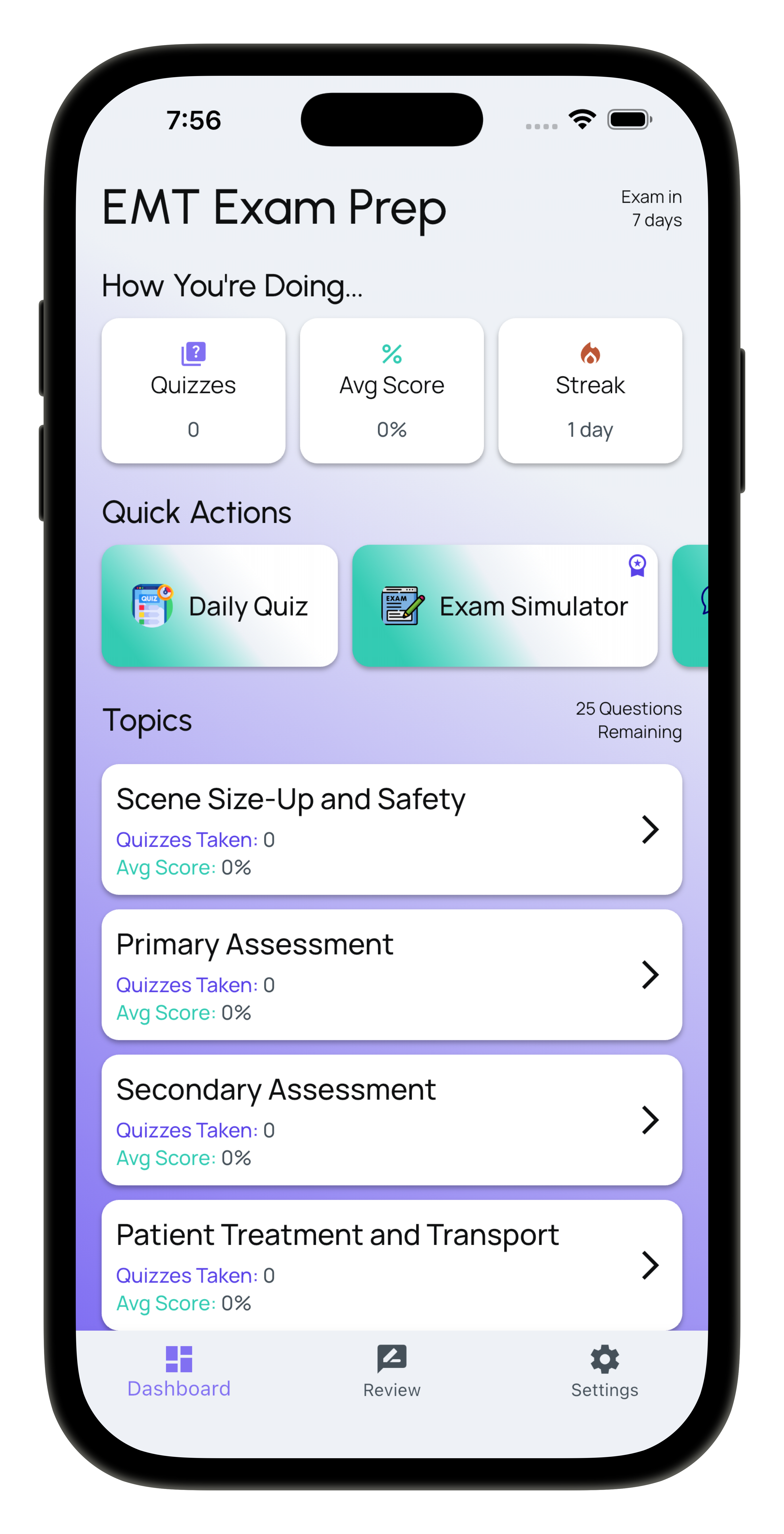
Leverage tools such as the EMT Exam Prep mobile app to enhance your knowledge and understanding of communication protocols in emergency situations. This app provides NREMT-style practice questions that will help solidify your knowledge of effective communication in the context of patient care.
4. Continuous Learning
Stay informed about communication best practices in EMS through workshops, online courses, and continuing education opportunities. Regularly engaging with new information will keep your skills sharp and enhance your effectiveness as a responder.
Conclusion
Mastering communication skills is vital for EMT candidates and emergency responders alike. By focusing on active listening, clear and concise communication, empathy, and non-verbal cues, you can enhance your effectiveness in the field. As you prepare for your NREMT certification and embark on a career in EMS, remember that strong communication is not just a skill—it’s a lifeline for both patients and colleagues. Embrace the resources available to you, including the EMT Exam Prep app, to ensure you are fully equipped to excel in your certification journey and beyond.
Ready to become a certified EMT? Try EMT Exam Prep 2025 for comprehensive NREMT-style practice questions with detailed explanations covering all essential certification content areas.