Am I Good? - Simple Budgeting
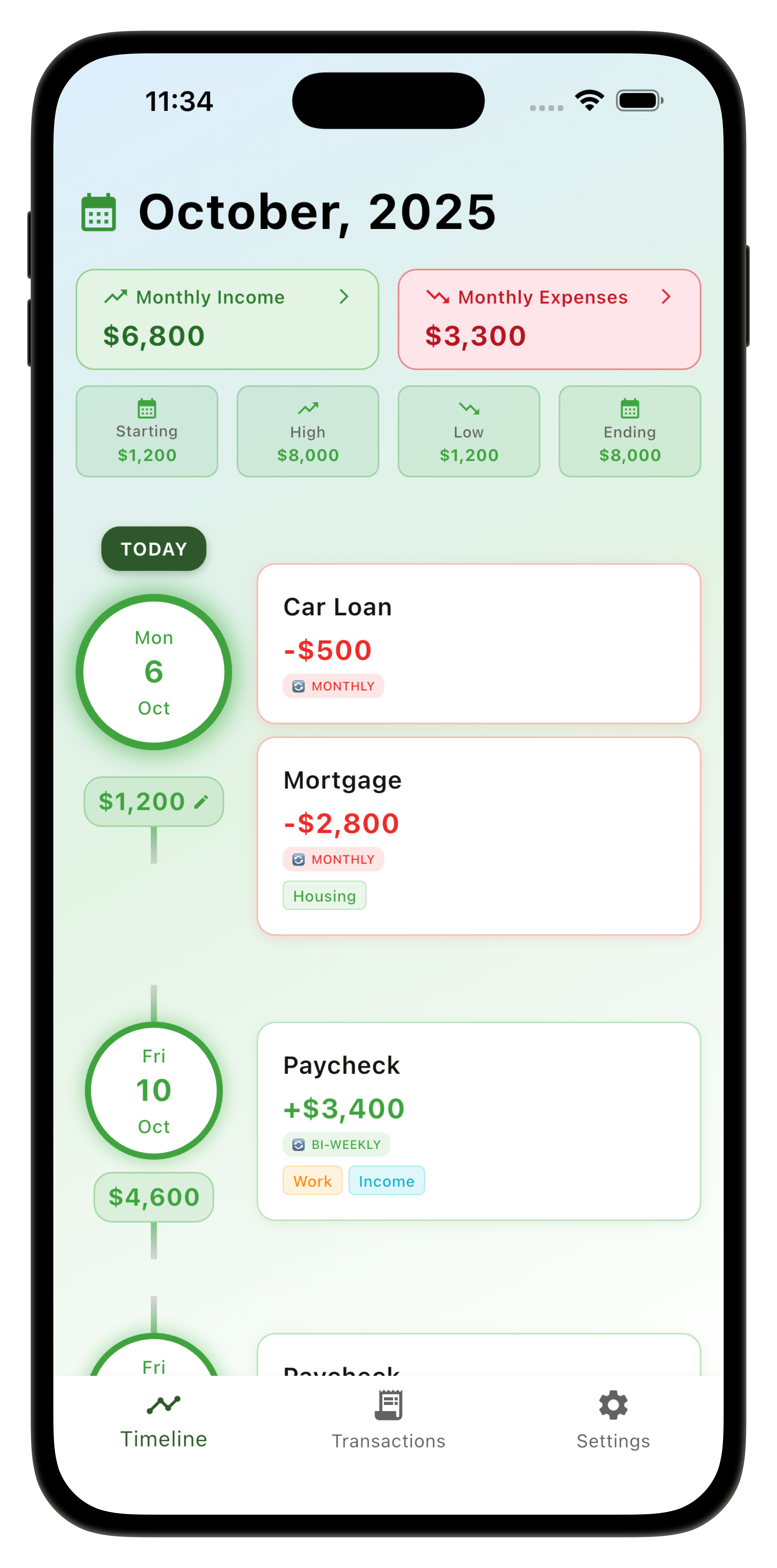
In a world where financial management often feels complicated and overwhelming, finding a straightforward approach to budgeting can be a game changer. If you’re someone who values privacy and simplicity, you’re in the right place. The goal here is to equip you with practical and easy-to-implement strategies that will not only help you gain control over your finances but also provide you with peace of mind. Let’s dive into some simple budgeting strategies that align with the Am I Good philosophy of privacy and simplicity.
1. Start with a Clear Picture of Your Income and Expenses
Track Your Earnings
Before you can create a budget, it’s essential to understand what you’re working with. Start by tracking your total monthly income. This includes your salary, side hustles, or any other sources of income.
Categorize Your Expenses
Next, list your monthly expenses. Break them into fixed (rent, utilities, insurance) and variable (groceries, entertainment, dining out) categories. This will give you a clearer picture of where your money is going. You don’t need complicated spreadsheets—simply jotting these down in a notebook or using a basic app can suffice.
Real-World Example:
Consider Sarah, a freelance graphic designer. By tracking her income from various clients and categorizing her expenses, she discovered she was spending more on takeout than she realized. By identifying this, she was able to allocate more funds toward savings without feeling deprived.
2. Build a Simple Budget Framework
The 50/30/20 Rule
One of the easiest budgeting techniques is the 50/30/20 rule. Allocate 50% of your income to needs (housing, groceries), 30% to wants (dining, hobbies), and 20% to savings and debt repayment. This method is straightforward and prevents you from feeling overwhelmed by excessive detail.
Set Up a Simple Budget
Using the 50/30/20 guideline, create a simple budget that outlines your allocations. You can do this on paper, in a basic spreadsheet, or through a privacy-focused budgeting app like Am I Good, which allows you to track without creating accounts.
Mindset Shift:
Adopting a mindset of flexibility is crucial. Your budget is a living document that can change as your financial situation evolves. Embrace the idea that it’s okay to adjust your allocations based on your needs and goals.
3. Prioritize Financial Privacy
Keep Your Financial Data Secure
In today’s digital world, protecting your financial privacy is essential. Choose budgeting methods that don’t require sharing personal data or linking bank accounts. Am I Good’s approach allows you to maintain privacy while still keeping track of your finances.
Use Encrypted Tools
If you prefer digital tracking, use tools that prioritize encryption and do not store your data on their servers. Always read the privacy policies of any app or service you use and opt for those that value your privacy.
Real-World Example:
Tom, an active-duty military member, uses Am I Good to track his finances. He appreciates that he doesn’t need to create an account or share his data, allowing him to focus on budgeting without worrying about privacy breaches.
4. Embrace Sustainable Financial Habits
Automate Savings
Set up an automatic transfer to your savings account each month. Treating savings like a recurring expense can help you build your financial cushion without thinking twice about it.
Reduce Impulse Spending
Before making an unplanned purchase, implement a 24-hour rule. If you still want the item after a day, then consider it. This simple strategy can help you avoid impulse buys and keep your budget intact.
Stress-Reduction Approaches:
Mindfulness practices can also aid in reducing financial stress. Consider journaling your financial thoughts or practicing deep breathing when feeling overwhelmed about money. By addressing your emotions surrounding finances, you will cultivate a healthier relationship with money.
5. Reflect and Adjust Regularly
Monthly Check-Ins
Set aside time each month to review your budget. Assess what worked, what didn’t, and make any necessary adjustments. This practice will help you stay in tune with your financial health and provide peace of mind.
Celebrate Small Wins
Recognize your achievements, no matter how small. Whether you paid off a debt or saved for a vacation, celebrating these milestones encourages continued positive financial habits.
Real-World Example:
Jessica, a busy mother of two, schedules a monthly budget review. During these sessions, she reflects on her family’s spending and celebrates their progress toward their savings goal for a family trip. This not only keeps her on track but also brings her family together in discussing finances.
Conclusion: Simplicity is Key to Financial Peace
By implementing these simple budgeting strategies, you can achieve financial peace of mind without the need for complex tools or invasive data sharing. Start by understanding your income and expenses, build a straightforward budget, prioritize your privacy, embrace sustainable habits, and regularly reflect on your financial journey.
Remember, managing your finances doesn’t have to be stressful. With a little discipline and the right tools, like Am I Good, you can navigate your financial landscape with confidence and ease. Your journey to financial wellness is just a few simple steps away!
Ready for simple, private budgeting? Try Am I Good? and track your income and expenses effortlessly—no accounts, no data sharing, just straightforward financial awareness.