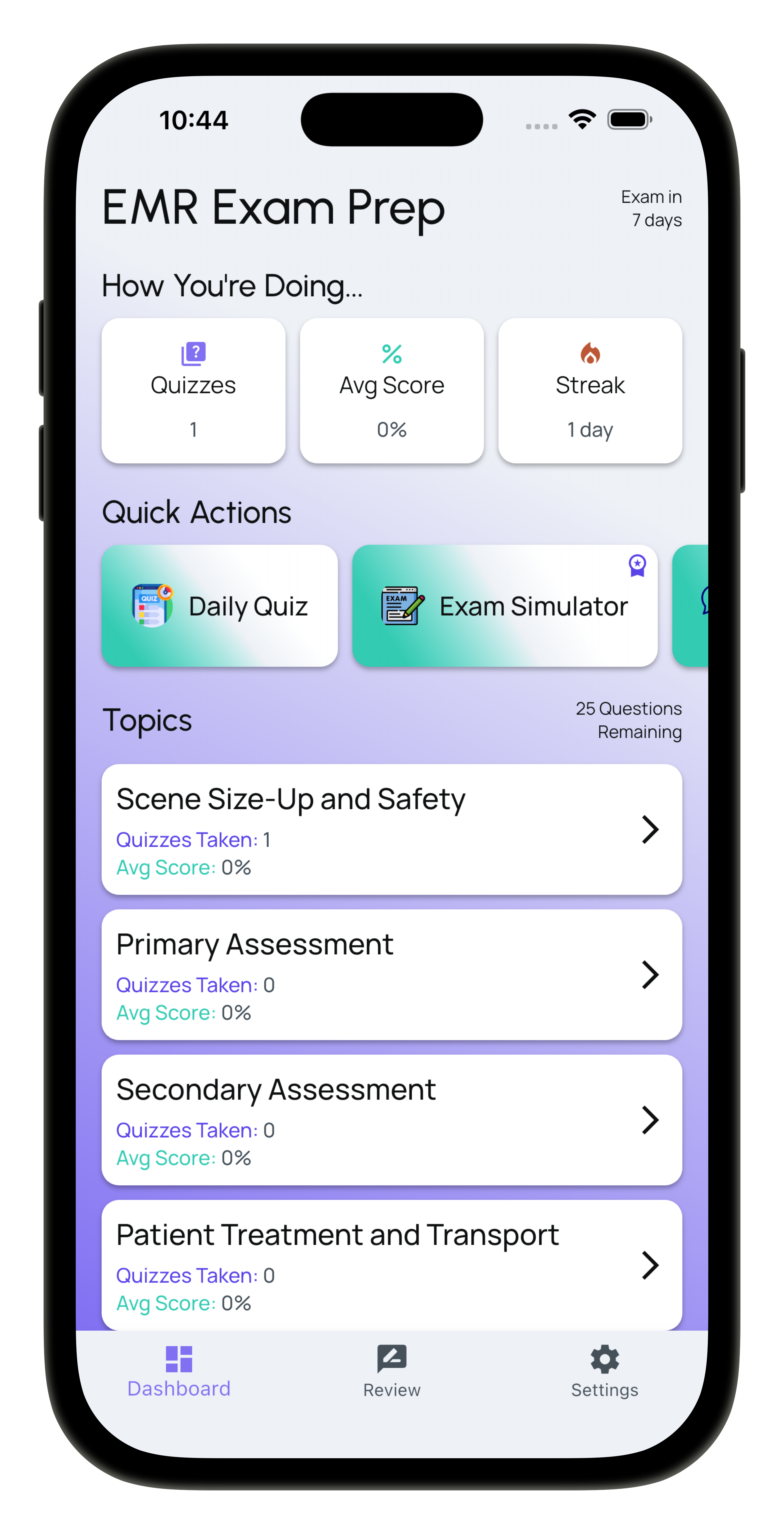
EMR Exam Prep
As an aspiring Emergency Medical Responder (EMR), your journey is both thrilling and challenging. One of the most critical skills you will need to develop is effective communication. Whether you are on the scene of an emergency or collaborating with other healthcare professionals, your ability to convey information clearly and efficiently can make a significant difference in outcomes. In this guide, we’ll explore essential communication skills, practical training tips, real-world applications, career guidance, and safety considerations that will bolster your confidence and competence as an EMR.
Understanding Basic Emergency Medical Concepts
Before diving into communication, it is crucial to understand some basic emergency medical concepts and skills. As an EMR, you will frequently encounter situations that require not only quick thinking but also clear communication. Here are a few fundamental concepts to keep in mind:
-
Assessment Skills: You’ll need to quickly assess the patient’s condition and gather vital signs. This includes understanding how to ask relevant questions to the patient or bystanders, which will inform your next steps.
-
Basic Life Support (BLS): Knowing how to perform CPR and use an Automated External Defibrillator (AED) is vital. Communicating to bystanders your needs (e.g., “Call 911” or “Get the AED!”) can save precious time in emergencies.
-
First Aid Protocols: Familiarize yourself with first aid procedures for various situations, such as bleeding control, choking, and fractures. Being able to explain these protocols to a patient or bystanders can help everyone stay calm and organized.
Practical Training and Study Tips
Developing effective communication skills takes practice. Here are some actionable tips to enhance your abilities:
-
Role-Playing Scenarios: Engage in role-playing exercises with your peers. Simulate emergency situations where you have to assess a patient, communicate with bystanders, and relay information to medical professionals. This practice can foster confidence and improve your verbal and non-verbal communication.
-
Active Listening: Train yourself to listen actively. This means fully concentrating, understanding, responding, and remembering what the other person is saying. This skill is invaluable when interacting with patients who may be in distress or when receiving information from dispatchers and other responders.
-
Use Clear and Simple Language: When communicating in an emergency, avoid using jargon or complex medical terms. Instead, opt for clear and simple language that everyone can understand. This ensures that bystanders can assist you effectively.
-
Practice Documentation: Good communication extends to written forms as well. Practice filling out patient care reports clearly and concisely. This skill is vital when transferring care to other medical professionals.
Real-World Application Examples
Let’s apply these concepts to real-world scenarios where communication is key:
-
Scenario 1: Car Accident
Imagine you arrive at the scene of a car accident. You quickly assess the situation and find an unconscious driver. You need to communicate your findings clearly to the dispatcher: “I have an unconscious male, approximately 35 years old, with no visible injuries but unresponsive. Requesting an ambulance and additional units.” This clear communication ensures that the right resources are dispatched. -
Scenario 2: Choking Victim
You encounter a bystander who is visibly panicked because someone is choking. You need to communicate effectively to get help. Calmly instruct the bystander, “Call 911 and tell them there’s a choking adult. I will begin performing the Heimlich maneuver.” Your calm demeanor and clear instructions can help calm the bystander and ensure the victim receives the care they need.
Career Guidance for New EMRs
As you embark on your EMR career, it’s essential to understand the impact of effective communication on your professional growth:
-
Networking: Build relationships with fellow responders, instructors, and other healthcare professionals. Good communication skills can lead to strong networking opportunities that may help you in future job searches or volunteer opportunities.
-
Feedback and Improvement: Seek feedback from peers and mentors on your communication skills. Use constructive criticism to improve. Communication is an evolving skill; the more you practice, the better you become.
-
Continued Education: Consider enrolling in workshops focused on communication in healthcare settings. These can provide advanced techniques and strategies that will benefit you throughout your career.
Safety Considerations and Best Practices
Effective communication plays a significant role in ensuring safety during emergencies. Here are some best practices:
-
Stay Calm: In high-pressure situations, your ability to remain calm can set the tone for those around you. Take deep breaths and focus on clear communication.
-
Establish Leadership: In chaotic situations, take charge by directing bystanders and fellow responders. Clearly outline tasks and responsibilities to maintain order.
-
Follow Protocols: Be familiar with the communication protocols specific to your organization or EMS service. Adhering to these guidelines can help streamline operations and enhance team efficiency.
-
Document Everything: Accurate documentation not only helps in patient care but also protects you legally. Ensure that all communications, actions taken, and observations are recorded thoroughly.
Conclusion
Communication is the backbone of effective emergency medical response. As you continue on your journey as an EMR, remember that honing these skills will not only improve your performance but also enhance patient outcomes. Utilize the tips provided here, practice regularly, and engage with resources like EMR Exam Prep to support your study and training. You are embarking on a rewarding career that requires dedication and a commitment to learning. Stay focused, stay safe, and never underestimate the power of effective communication in emergency situations!
Starting your EMR certification journey? Try EMR Exam Prep for practice questions and study materials designed to help you succeed as an Emergency Medical Responder.