EMR Exam Prep
Embarking on your journey as an Emergency Medical Responder (EMR) is a commendable choice that places you at the forefront of emergency healthcare. As an entry-level emergency medical personnel, you will be responsible for providing critical care in high-pressure situations. This blog post will cover patient care basics, practical training tips, real-world applications, career guidance, and safety considerations to help you succeed in your training and prepare for your role in the field.
Understanding Basic Emergency Medical Concepts and Skills
As a new EMR, it’s essential to grasp the foundational concepts and skills that will guide your practice. Here are some key areas to focus on:
1. Patient Assessment
- Primary Assessment: The first step in patient care is to conduct a primary assessment. This involves checking for responsiveness, airway patency, breathing, and circulation (the ABCs). Quickly identifying life-threatening conditions is crucial in emergency situations.
- Secondary Assessment: Once the primary assessment is complete, proceed to the secondary assessment, which involves a more detailed evaluation of the patient’s condition, including taking vital signs and gathering medical history.
2. Basic Life Support (BLS) Skills
- CPR: Learn the techniques for performing cardiopulmonary resuscitation (CPR) on adults, children, and infants. Practice the compression-to-breath ratio and the depth and frequency of chest compressions.
- Use of an AED: Familiarize yourself with the automated external defibrillator (AED) and its operation. Knowing when and how to use it can be lifesaving.
3. First Aid Skills
- Wound Care: Understand how to properly clean and dress wounds to prevent infection.
- Splinting: Learn how to immobilize fractures and sprains using appropriate splinting techniques.
Practical Training and Study Tips
Training as an EMR can be intense, but with the right study habits and practice techniques, you can excel:
1. Engage in Hands-On Practice
- Skills Drills: Participate in hands-on skill drills offered in your training program. Repetition is key to mastering essential skills like CPR, AED use, and wound care.
- Scenario-Based Training: Engage in simulated scenarios that mimic real-life emergencies. This practice will help you improve your critical thinking and decision-making under pressure.
2. Utilize Study Resources
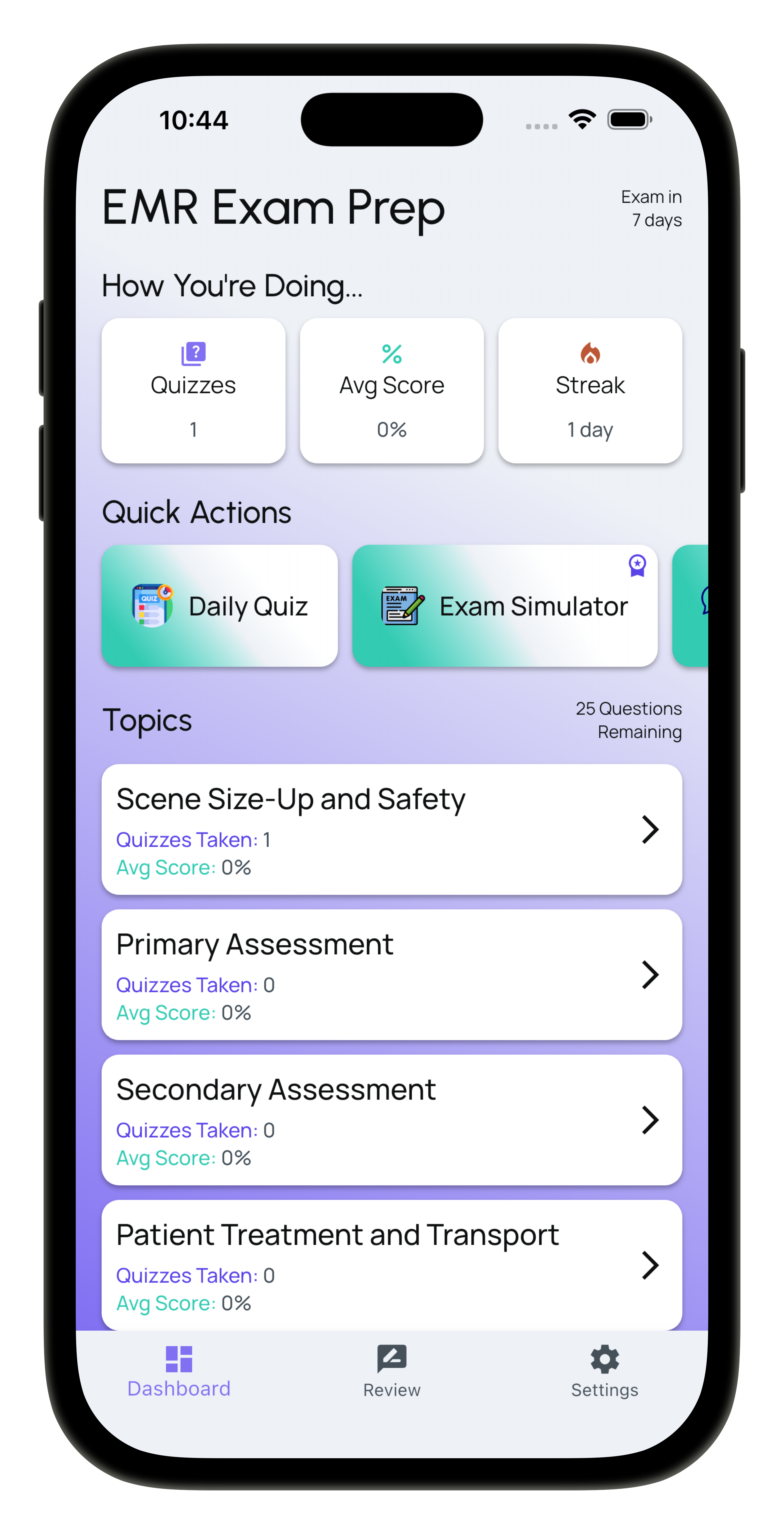
- EMR Exam Prep App: Leverage tools like the EMR Exam Prep app for access to practice questions and study materials. This resource can reinforce your knowledge and prepare you for certification exams.
- Study Groups: Form study groups with your peers to review materials, discuss challenging concepts, and practice skills together. Peer learning can enhance your understanding and retention.
3. Stay Updated
- Continuing Education: Stay informed about the latest protocols and advancements in emergency medical care. Attend workshops or seminars whenever possible.
Real-World Application Examples
Understanding how to apply your training in real-life scenarios is vital. Here are a few situations you may encounter as an EMR:
1. Responding to a Cardiac Arrest
You arrive at a scene where a bystander reports that an individual has collapsed and is unresponsive. You quickly assess the patient, initiate CPR, and use the nearest AED to provide defibrillation. Your quick actions can save a life.
2. Managing a Traumatic Injury
You receive a call about a vehicle accident. Upon arrival, you assess the injured parties, control any bleeding, and provide comfort while waiting for advanced care. Your ability to remain calm and focused can significantly impact the patients’ outcomes.
3. Addressing a Medical Emergency
In a case of a suspected stroke, you recognize the signs (facial drooping, inability to speak) and activate emergency medical services while monitoring the patient’s vital signs. Timely recognition and action can lead to better recovery for the patient.
Career Guidance for New EMRs
As you begin your career as an EMR, consider the following guidance:
1. Networking and Mentorship
Connect with experienced EMS professionals in your community. A mentor can provide valuable insights and guidance as you navigate your early career.
2. Explore Further Training
Consider pursuing additional certifications or training beyond your EMR certification. Advanced courses like EMT (Emergency Medical Technician) or paramedic training can open up more opportunities and enhance your skills.
3. Volunteer Opportunities
Look for volunteer positions with local EMS agencies or community organizations. Volunteering will provide hands-on experience and help you build a professional network.
Safety Considerations and Best Practices
Safety is paramount in emergency medical care, both for you and your patients. Here are some best practices to follow:
1. Personal Protective Equipment (PPE)
Always use appropriate PPE, such as gloves, masks, and eye protection, to minimize exposure to blood and bodily fluids.
2. Scene Safety
Before approaching a scene, assess for hazards (traffic, fire, chemical spills). Ensure that the area is safe for you and your patient.
3. Documentation
Accurately document your findings, interventions, and patient responses. This information is critical for continuity of care and legal protection.
Conclusion
Becoming an Emergency Medical Responder is a rewarding journey that requires dedication and preparation. By mastering basic emergency medical concepts, engaging in practical training, applying your knowledge in real-world situations, and prioritizing safety, you will be well on your way to success.
Remember, resources like the EMR Exam Prep app are here to support you in your studies and certification efforts. You have chosen a noble path that makes a tangible difference in the lives of others. Embrace the challenges ahead, and know that every bit of effort you put in today will prepare you for a successful career in emergency medical response. Stay safe, stay dedicated, and keep learning!
Starting your EMR certification journey? Try EMR Exam Prep for practice questions and study materials designed to help you succeed as an Emergency Medical Responder.