EMT Exam Prep 2025
As an Emergency Medical Technician (EMT), understanding pharmacology is crucial for providing safe and effective patient care in pre-hospital settings. The ability to recognize, administer, and manage medications is a core competency outlined by the National Registry of Emergency Medical Technicians (NREMT) standards. This blog post will explore essential pharmacological concepts, important medications, and study strategies to help you excel in your EMT certification exam.
Understanding Pharmacology: The Basics
Pharmacology is the study of drugs, their mechanisms of action, and their effects on the body. For EMTs, a solid grasp of pharmacology involves knowing how medications can alleviate symptoms, treat emergencies, and support patient outcomes. Key areas to focus on include:
1. Types of Medications
-
Analgesics: These medications, such as acetaminophen and ibuprofen, are used to relieve pain. EMTs need to understand their indications and contraindications.
-
Antipyretics: Often overlapping with analgesics, these drugs help reduce fever. Common examples include acetaminophen and aspirin.
-
Antihistamines: Medications like diphenhydramine (Benadryl) are used to treat allergic reactions. Recognizing their role in anaphylaxis is critical for EMTs.
-
Bronchodilators: These medications, such as albuterol, are essential for treating respiratory distress in conditions like asthma or COPD.
-
Cardiovascular Drugs: EMTs must be familiar with medications like nitroglycerin and aspirin used in cardiac emergencies.
2. Routes of Administration
Understanding how medications are administered is vital. EMTs commonly use:
-
Oral (PO): Medications taken by mouth, typically for non-emergency situations.
-
Intravenous (IV): Medications delivered directly into the bloodstream for rapid action, often used in critical care scenarios.
-
Intramuscular (IM): Medications injected into muscle tissue, such as epinephrine for anaphylaxis.
-
Subcutaneous (SC): Medications administered under the skin, often for insulin in diabetic emergencies.
-
Inhalation: A crucial route for respiratory medications, allowing for rapid absorption through the lungs.
3. Pharmacokinetics and Pharmacodynamics
-
Pharmacokinetics refers to how the body absorbs, distributes, metabolizes, and excretes medications. Understanding these processes helps EMTs anticipate how quickly a drug will take effect and its duration of action.
-
Pharmacodynamics involves how drugs affect the body, including their mechanisms of action and therapeutic effects. This knowledge is essential for recognizing the impact of medications on patient physiology.
Practical Tips for Studying Pharmacology
1. Utilize NREMT Resources
The NREMT provides study guides and practice exams that focus on pharmacology and medication administration. Use these resources to familiarize yourself with the exam format and types of questions you may encounter.
2. Flashcards for Memorization
Create flashcards for essential medications, routes of administration, and their indications/contraindications. This active recall method is proven to enhance memory retention and reinforce your understanding of pharmacology.
3. Group Study Sessions
Organize group study sessions with peers to discuss pharmacological concepts. Teaching each other about different medications and their uses can reinforce your knowledge and clarify any misconceptions.
4. Case Studies and Scenarios
Engage in case studies that simulate real-life emergency situations. Analyzing how specific medications would be administered in various scenarios can deepen your understanding of pharmacology in practice.
5. Practice Questions
Integrate NREMT-style practice questions into your study routine. Focus on pharmacology-related questions to assess your understanding and identify areas needing further review.
Conclusion: The Path to EMT Certification Success
A solid understanding of pharmacology is essential for EMT candidates as they prepare for their certification exams and future careers in emergency medical services. By familiarizing yourself with medication types, routes of administration, and pharmacological principles, you will be well-equipped to handle patient care in high-stress situations.
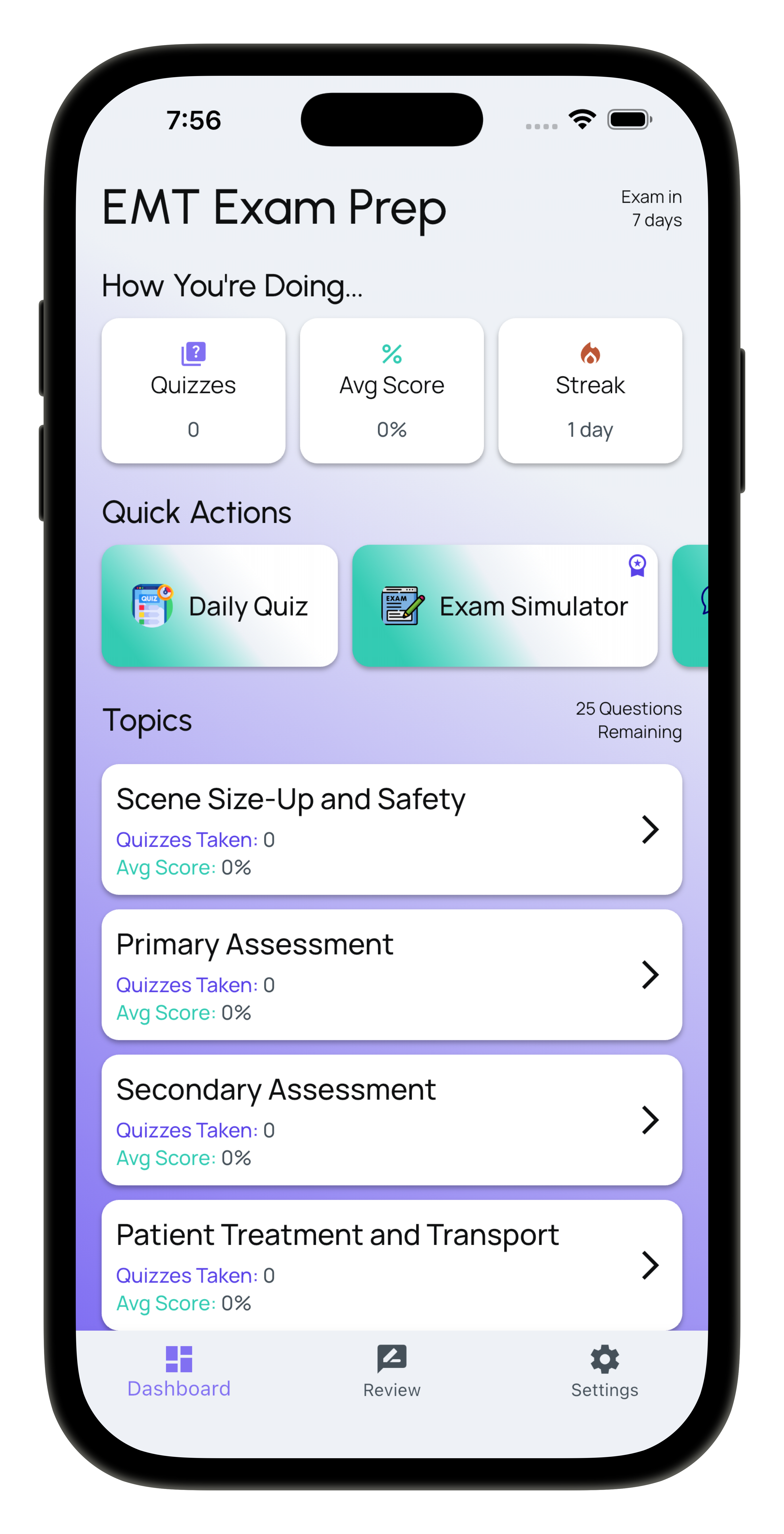
Remember to leverage resources like the EMT Exam Prep mobile app, which offers NREMT-style practice questions and detailed explanations to help reinforce your pharmacological knowledge. With diligent study, a commitment to patient safety, and a focus on professional development, you’ll be on the path to EMT certification success.
Ready to become a certified EMT? Try EMT Exam Prep 2025 for comprehensive NREMT-style practice questions with detailed explanations covering all essential certification content areas.