Promotion Ready
In today’s Army, effective communication is paramount. Whether you’re drafting a memorandum, creating a report, or preparing a presentation, strong writing skills can significantly impact your career trajectory. This blog post will explore practical strategies to develop military writing skills that not only enhance your professional image but also position you for success on promotion boards.
Why Military Writing Matters
Military writing is not just about putting words on a page; it’s about conveying information clearly and concisely while adhering to established formats and regulations. Strong writing skills can:
- Enhance Clarity and Understanding: Clear communication reduces the risk of misunderstandings, ensuring that orders and policies are executed correctly.
- Demonstrate Professionalism: Well-written documents reflect your attention to detail and commitment to quality, both of which are essential traits for leaders in the Army.
- Support Promotion Board Success: Many promotion boards evaluate candidates based on their ability to communicate effectively. A soldier who can articulate their experiences and contributions through writing stands out.
Practical Tips for Developing Military Writing Skills
1. Understand Military Writing Formats
Familiarize yourself with common military writing formats such as the memorandum, operational order (OPORD), and staff summary sheet (SSS). Each has specific guidelines, and adhering to these standards is crucial.
Action Item: Review FM 25-101 (Training for Full Spectrum Operations) and AR 25-50 (Preparing and Managing Correspondence) for detailed guidance on military writing formats.
2. Practice Writing Regularly
The best way to improve your writing is to practice. Set aside time each week to write various documents, such as training plans, after-action reviews, or even personal reflections on your leadership experiences.
Scenario: Suppose you just completed a training exercise. Write an after-action review detailing what went well, what didn’t, and how to improve next time. This not only hones your writing skills but also enhances your critical thinking.
3. Seek Feedback
Share your written documents with peers and superiors, and ask for constructive criticism. This feedback will help you identify areas for improvement and learn best practices from others.
Action Item: Create a writing group within your unit where you can exchange documents and provide feedback to one another. This collaborative approach can foster a culture of continuous improvement.
Military Leadership Insights
Strong writing is a hallmark of effective leaders. As a non-commissioned officer (NCO), your ability to communicate clearly can influence your soldiers’ understanding and performance. Leaders who articulate their vision and expectations through writing foster a cohesive team environment.
Example: Crafting the Command Philosophy
Imagine you’re tasked with developing a command philosophy for your unit. This document will guide your soldiers’ actions and mindset. A well-structured command philosophy articulates your values, expectations, and vision, reinforcing your leadership style and enhancing unit cohesion.
Career Development Strategies
1. Attend Writing Workshops
Many installations offer workshops focused on military writing. Participating in these sessions can provide you with insights into effective writing techniques and the latest updates on writing standards.
Action Item: Check your installation’s training calendar for upcoming writing workshops or consider online resources that focus on military writing.
2. Leverage Technology
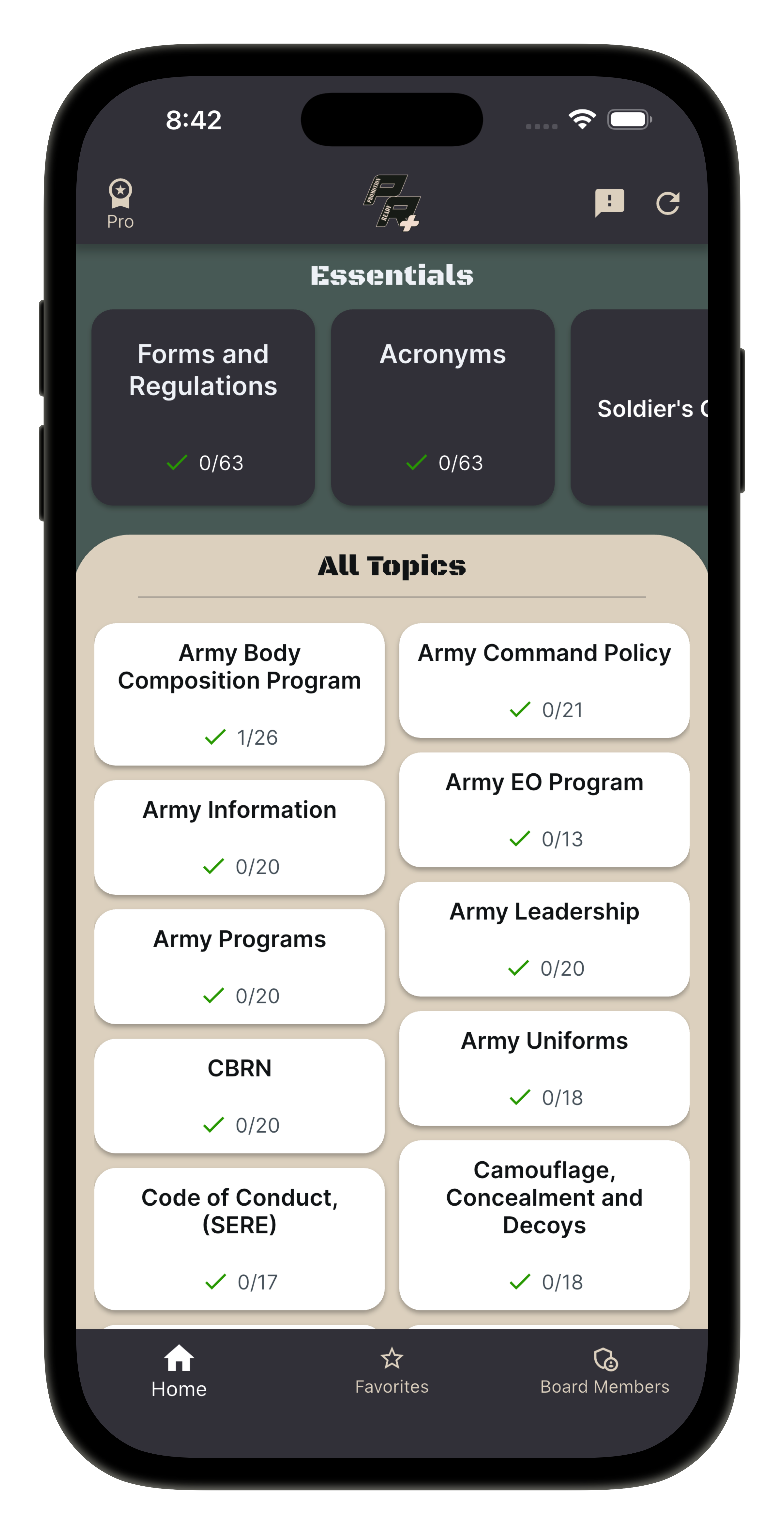
Utilize tools and apps that can help refine your writing. Software like Grammarly or Hemingway can assist in checking grammar, clarity, and conciseness. Additionally, use the Promotion Ready app to access tailored writing exercises that mimic board preparation scenarios.
3. Document Your Achievements
Keep a record of your accomplishments and contributions. This practice not only helps you prepare for performance evaluations but also provides material for your writing during promotion board preparations.
Scenario: When writing your Enlisted Record Brief (ERB), use your documented achievements to clearly define your impact. This clarity can set you apart from other candidates.
Writing for Promotion Boards
When preparing for promotion boards, your written submissions may include a Personal Statement or a summary of your key accomplishments. This is an opportunity to showcase your writing skills while highlighting your leadership capabilities.
Action Item: Practice Board Simulations
Engage in board simulations using resources like the Promotion Ready app. This tool provides practice questions and scenarios that can help you refine your written and verbal communication skills, ensuring you’re prepared for any questions that may arise during the board.
4. Reflect and Revise
After each writing task, take time to reflect on what went well and areas you can improve. Revising your work is essential for developing strong writing skills.
Conclusion
Developing strong military writing skills is an essential component of career advancement in the Army. Clear, concise, and professional writing not only enhances your ability to communicate but also positions you as a capable leader in the eyes of your superiors. By following the actionable tips outlined in this post, you can refine your writing skills and prepare for promotion boards with confidence.
Remember, the journey to becoming a better writer is ongoing. Embrace feedback, practice regularly, and utilize available resources like the Promotion Ready app to guide you in your development. As you enhance your writing skills, you will not only advance your career but also contribute to the effectiveness of your unit and the Army as a whole.
Ready to excel in your next promotion board? Promotion Ready provides hundreds of expert-crafted practice questions, realistic board simulations, and comprehensive study guides designed specifically for Army personnel advancing their careers.