Am I Good? - Simple Budgeting
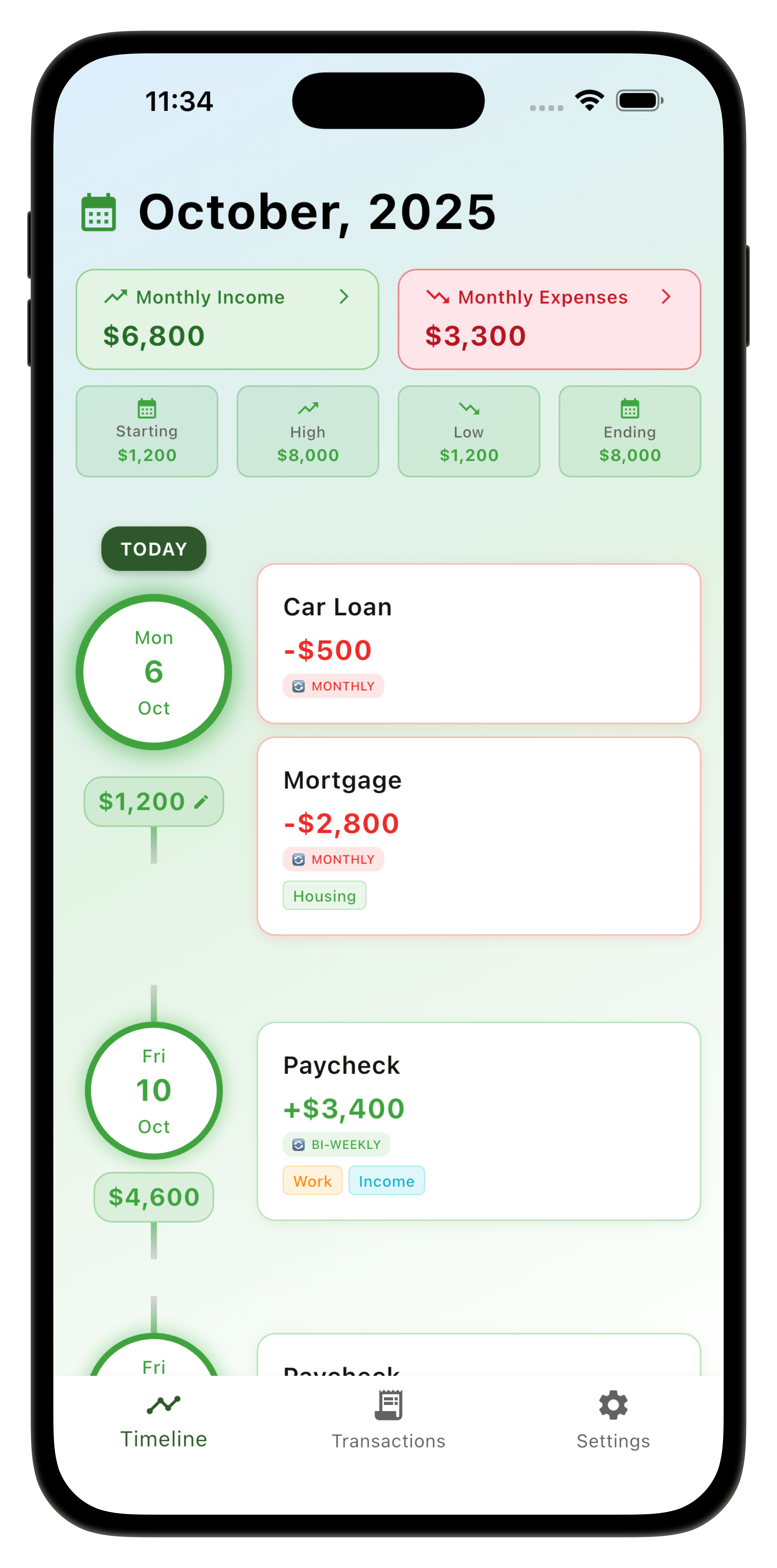
In a world brimming with financial apps and complex budgeting methods, it’s easy to feel overwhelmed. But achieving financial peace of mind doesn’t have to be complicated. With straightforward budgeting strategies and a focus on privacy, you can take control of your finances without the stress. Let’s explore practical, simple techniques to help you manage your money effectively while keeping your financial data secure.
1. Start with the Basics: Track Your Income and Expenses
The foundation of any solid budget is knowing where your money comes from and where it goes. This doesn’t need to be a daunting task.
Actionable Steps:
- List Your Income: Write down all your sources of income, whether it’s your salary, side gigs, or passive income. This gives you a clear picture of your financial inflow.
- Document Your Expenses: Track your spending for a month. Break it down into categories—essentials (like rent and groceries) and non-essentials (like dining out or subscriptions). With the Am I Good app, you can do this easily without creating an account or sharing your data.
Real-World Example:
Imagine you’re a military family moving to a new base. By tracking your income and expenses, you can account for moving costs and plan for your new living situation without overspending.
2. Set Clear, Achievable Goals
Financial goals give you something to work towards, whether it’s saving for a vacation, paying off debt, or building an emergency fund. The key is to set realistic and measurable goals.
Tips for Goal Setting:
- Break Down Big Goals: Instead of saying, “I want to save $5,000 this year,” consider breaking it down to “I want to save $400 a month.” This makes it more manageable.
- Celebrate Small Wins: When you hit a milestone, no matter how small, take a moment to acknowledge your progress. This keeps you motivated.
Mindset Shift:
Instead of viewing budgeting as a chore, see it as a journey toward your financial aspirations. Each small step contributes to your overall peace of mind.
3. Embrace the 50/30/20 Rule
One of the simplest budgeting techniques is the 50/30/20 rule. This method helps you allocate your income in a balanced way while keeping things uncomplicated.
Breakdown:
- 50% for Needs: Allocate half of your income to essentials like housing, food, and transportation.
- 30% for Wants: Use this portion for non-essential spending, like entertainment or hobbies.
- 20% for Savings and Debt Repayment: This is your opportunity to build savings or pay off debts.
Stress Reduction Approach:
By following this simple guideline, you’re less likely to feel guilty about spending. You know that your needs are covered, you have room for enjoyment, and you’re also saving for the future.
4. Maintain Financial Privacy
In an age where data breaches are common, maintaining your financial privacy is paramount. Here are some tips to keep your financial information secure:
Actionable Tips:
- Use Secure Tools: Choose budgeting tools that don’t require you to create accounts or share personal information. Am I Good is designed specifically for privacy-focused users.
- Limit Sharing: Be cautious about sharing your financial situation with friends and family. It’s great to seek advice, but your financial journey is personal.
Real-World Example:
Consider a frequent mover, like a military family. By using a privacy-focused budgeting app, they can seamlessly track their finances without worrying about their data being stored or sold.
5. Automate and Simplify
Automation can be your best friend when it comes to budgeting. It reduces the mental load of remembering due dates or manually transferring funds.
Steps to Automate:
- Set Up Automatic Transfers: Schedule monthly transfers to your savings account or debt repayment. This way, you treat savings like a recurring bill.
- Use Alerts: Set up reminders for bills and payment due dates to avoid late fees.
Stress Reduction Approach:
By automating your budgeting process, you can alleviate the stress of financial management. You’ll have peace of mind knowing that your savings are growing and bills are being paid without constant oversight.
6. Review and Adjust Regularly
Your financial situation can change due to job changes, unexpected expenses, or personal goals. It’s essential to review your budget regularly.
How to Review:
- Monthly Check-ins: At the end of each month, review your spending and savings. Adjust your budget as needed to reflect any changes in income or expenses.
- Reflect on Goals: Are your financial goals still relevant? If not, don’t hesitate to modify them to fit your current life circumstances.
Mindset Shift:
View your budget as a living document. It’s meant to evolve with you, helping you maintain financial peace of mind.
Conclusion: Embrace Simplicity for Financial Wellness
Achieving financial peace of mind doesn’t require a complicated system or invasive tools. By embracing simple budgeting strategies, maintaining your privacy, and fostering a positive mindset toward your finances, you can create a stress-free financial environment.
Remember, it’s about progress, not perfection. Start small, stay focused, and enjoy the journey to financial wellness. With the right tools and mindset, you’ll find that budgeting can be both simple and rewarding. Happy budgeting!
Ready for simple, private budgeting? Try Am I Good? and track your income and expenses effortlessly—no accounts, no data sharing, just straightforward financial awareness.