EMT Exam Prep 2025
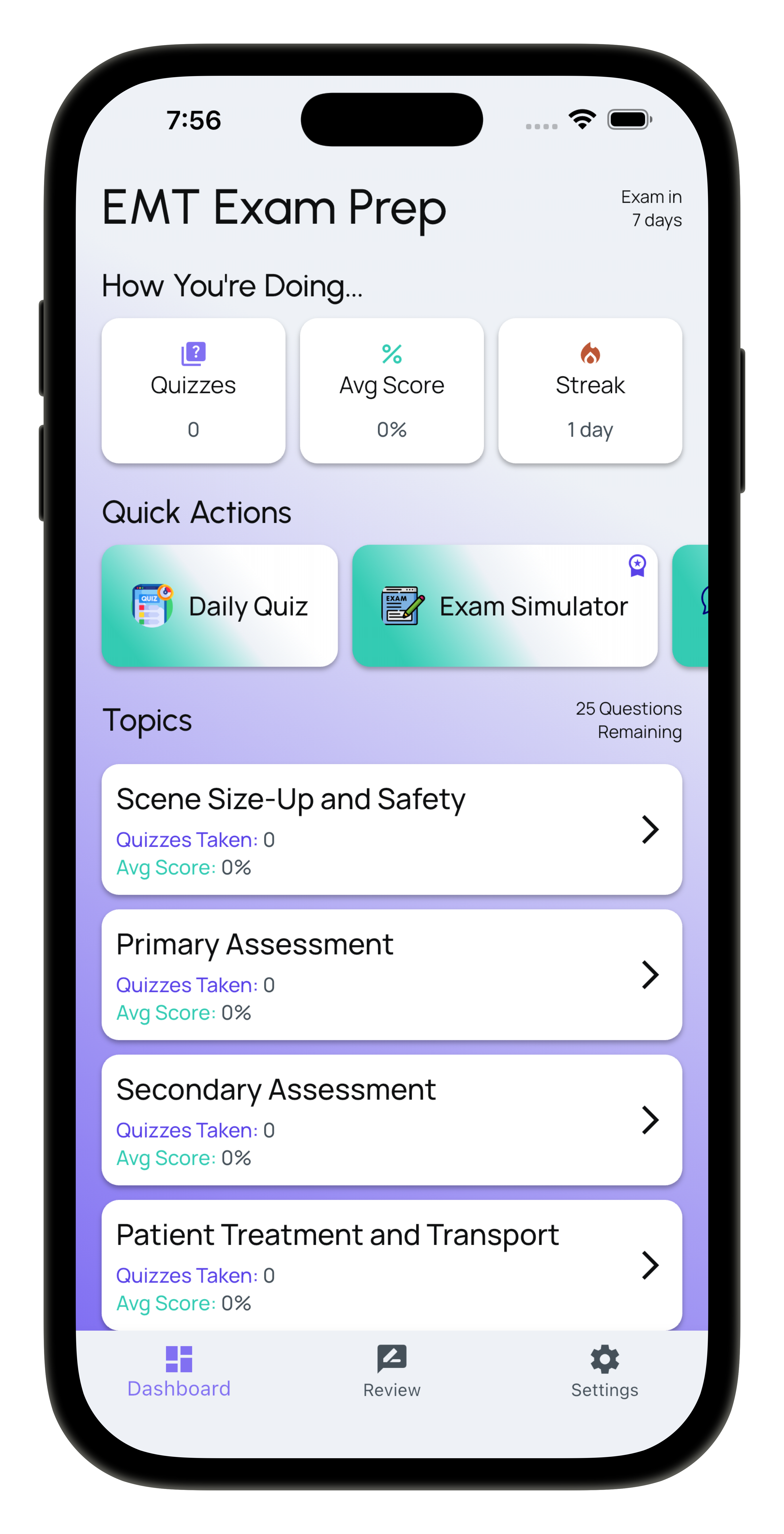
In emergency medical services, the ability to conduct a thorough and accurate patient assessment can be the difference between life and death. As an EMT candidate, you are not only expected to perform technical skills but also to apply critical thinking and clinical judgment under pressure. This blog post will guide you through the essential components of patient assessment in emergency situations, offering practical tips, study strategies, and insights that align with NREMT standards.
Understanding the Importance of Initial Patient Assessment
Patient assessment is foundational in emergency medicine. It involves gathering information about a patient’s condition to determine the necessary interventions. An effective assessment allows EMTs to prioritize care, recognize life-threatening conditions, and communicate vital information to healthcare providers upon arrival at the hospital.
In emergency situations, patients often present with altered levels of consciousness, trauma, or acute medical issues, making swift and systematic assessment critical. The National Registry of Emergency Medical Technicians (NREMT) emphasizes the importance of a structured approach, which can be broken down into the following components:
The Primary Assessment: A Systematic Approach
The primary assessment is your first priority when you arrive on the scene. This assessment is designed to identify and manage any life-threatening conditions. Here’s how to conduct an effective primary assessment:
-
Scene Safety: Before approaching the patient, ensure the scene is safe for both you and the patient.
-
General Impression: Quickly evaluate the patient’s appearance, position, and any obvious signs of distress or injury.
-
Level of Consciousness (LOC): Use the AVPU scale (Alert, Verbal, Painful stimuli, Unresponsive) to assess the patient’s responsiveness.
-
Airway: Check if the airway is clear. If the patient is unresponsive, you may need to open the airway using the head-tilt, chin-lift maneuver or jaw-thrust maneuver for suspected spinal injury.
-
Breathing: Assess the quality and rate of breathing. Look for any signs of respiratory distress, such as use of accessory muscles or abnormal lung sounds.
-
Circulation: Evaluate the pulse for rate and quality, check skin color and temperature, and look for any external bleeding.
-
Disability: Quickly assess neurological status using the Glasgow Coma Scale (GCS), which provides a more detailed evaluation of consciousness.
-
Expose: If necessary, expose the patient to identify any hidden injuries while maintaining privacy and dignity.
The Secondary Assessment: A Comprehensive Evaluation
Once you have stabilized the patient through the primary assessment, you can move to the secondary assessment. This is a more thorough evaluation that includes:
- History Taking: Use the SAMPLE acronym to gather important information:
- S: Signs and Symptoms
- A: Allergies
- M: Medications
- P: Past Medical History
- L: Last Oral Intake
- E: Events Leading Up to Present Illness/Injury
-
Physical Examination: Conduct a head-to-toe assessment to identify injuries or abnormalities. Pay special attention to areas that may indicate serious conditions, such as the abdomen and chest.
- Vital Signs: Measure and document the patient’s vital signs, including blood pressure, pulse rate, respiratory rate, and temperature.
Utilizing Tools and Techniques
In your practice and study sessions, familiarize yourself with tools that can aid in patient assessment:
- Pulse Oximeter: This device provides a quick assessment of oxygen saturation levels.
- Blood Glucose Meter: Important for assessing diabetic emergencies.
- Stethoscope: Essential for auscultating heart and lung sounds.
Using these tools in practice scenarios will enhance your confidence and proficiency during real-life assessments.
Study Strategies for Patient Assessment Success
To excel in patient assessment during your EMT certification exam and in the field, consider the following study strategies:
-
Simulated Scenarios: Engage in mock assessments with peers or instructors. Role-playing various scenarios can help you refine your skills and adapt to different situations.
-
Flashcards: Create flashcards for the various assessment components, including the primary assessment steps and SAMPLE history questions, to reinforce your knowledge.
-
Practice with the EMT Exam Prep App: Utilize the app’s NREMT-style practice questions that focus on patient assessment. Detailed explanations will help you understand the rationale behind each step.
-
Review NREMT Guidelines: Regularly refer to the NREMT standards and guidelines for patient assessment protocols to ensure you are aligned with certification expectations.
Practical Takeaways
- Always prioritize safety and perform a thorough primary assessment to identify life threats.
- Use the SAMPLE acronym for efficient history-taking during the secondary assessment.
- Practice your assessments in simulated environments to build confidence and skill.
- Familiarize yourself with vital signs and assessment tools to enhance your clinical effectiveness.
Conclusion: Your Path to EMT Certification Success
Mastering patient assessment is a crucial step toward your success as an EMT. By understanding the components of both the primary and secondary assessments, utilizing effective study strategies, and practicing regularly, you can enhance your skills and confidence. Remember, thorough patient assessment not only prepares you for the NREMT certification exam but also equips you to provide the highest standard of care in real-life emergency situations. As you continue your journey in emergency medical services, let EMT Exam Prep be your trusted resource for mastering the knowledge and skills you need to achieve certification success.
Ready to become a certified EMT? Try EMT Exam Prep 2025 for comprehensive NREMT-style practice questions with detailed explanations covering all essential certification content areas.