Am I Good? - Simple Budgeting
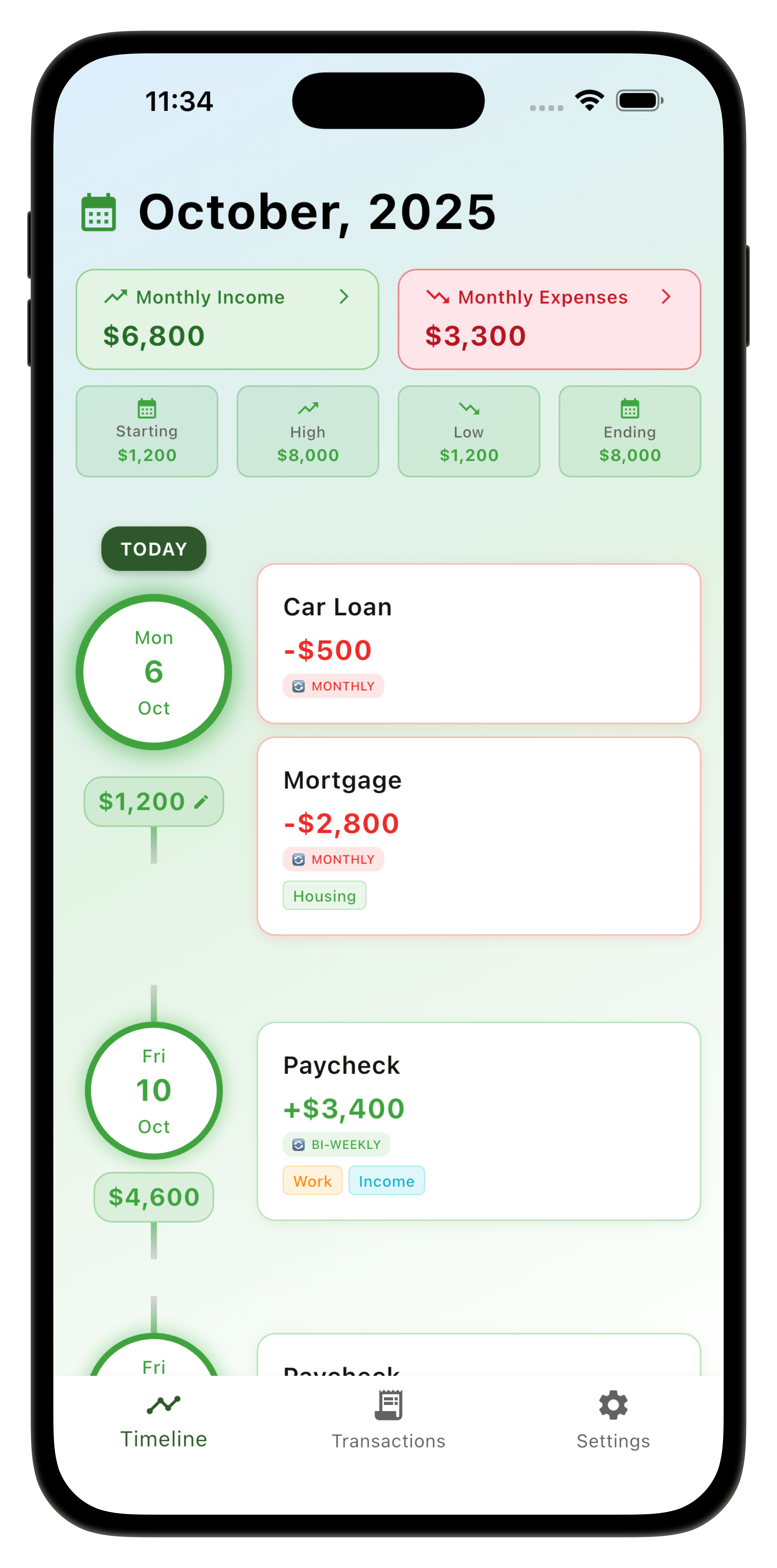
Financial stress can feel overwhelming, but with the right strategies, you can turn your financial situation around and regain control. At Am I Good, we believe that managing your money should be simple, approachable, and above all, private. In this post, we’ll explore practical solutions to help you manage financial stress while emphasizing privacy and simplicity.
Understanding Financial Stress
Before we dive into solutions, it’s important to recognize what financial stress looks like. Whether it’s anxiety about bills piling up, uncertainty about your savings, or concerns about unexpected expenses, financial stress can impact your well-being. The good news is that you can take actionable steps to alleviate this stress without letting it consume your life.
Practical, Easy-to-Implement Financial Strategies
1. Create a Simple Budget
A budget doesn’t have to be complicated to be effective. Here’s a straightforward approach:
-
Track Your Income and Expenses: Use a simple tool like a notebook or a basic spreadsheet to jot down your monthly income and expenses. Note down fixed costs (like rent or mortgage), variable expenses (like groceries), and discretionary spending (like entertainment).
-
50/30/20 Rule: This popular budgeting technique divides your income into three categories: 50% for needs, 30% for wants, and 20% for savings or debt repayment. This helps you allocate your income without overthinking it.
2. Set Up an Emergency Fund
Having an emergency fund can significantly reduce financial stress. Start small by saving just $5 or $10 a week. Over time, this will build up and provide a safety net for unexpected expenses, like car repairs or medical bills. Aim for three to six months’ worth of living expenses, but remember that every little bit counts.
3. Automate Payments and Savings
To simplify your financial management, consider automating your bill payments and savings. Set up automatic transfers to your savings account each payday. This way, you’ll save without even thinking about it. Additionally, automating bill payments can prevent late fees and reduce anxiety about missed deadlines.
Tips for Maintaining Financial Privacy
1. Use Cash When Possible
To maintain your financial privacy, try using cash for your discretionary spending. This way, you won’t leave a digital trail that could be exposed. It can also help you stick to your budget more effectively because you can physically see the money you have left.
2. Choose Privacy-Focused Financial Tools
When it comes to budgeting apps, choose those that prioritize your privacy. At Am I Good, we offer a simple solution that requires no accounts, no data sharing, and no invasive tracking. You can manage your finances without compromising your privacy.
3. Limit Sharing Financial Information
Be mindful of how much financial information you share with friends and family. While it’s great to seek advice, oversharing can lead to unnecessary stress and comparisons. Keep your financial journey personal, focusing on your own goals and progress.
Simple Budgeting Techniques and Mindset Shifts
1. Shift Your Mindset
Instead of viewing budgeting as a restriction, see it as a tool for empowerment. A budget gives you clarity on your financial situation, allowing you to make informed decisions. Celebrate small victories, like sticking to your budget for a week or successfully saving a little each month.
2. Embrace Flexibility
Life is unpredictable, and so is your financial situation. Embrace flexibility in your budgeting. If you overspend in one category, adjust other areas to balance it out. Remember that budgeting isn’t about perfection; it’s about progress and finding what works for you.
Real-World Examples That Resonate
Example 1: The Busy Military Family
Consider a military family that frequently moves from one base to another. They often encounter unexpected expenses like relocation costs and fluctuating living expenses. By implementing a simple budgeting system, automating savings, and using cash for daily expenses, they can effectively manage their finances while maintaining privacy in their spending habits.
Example 2: The Recent College Graduate
A recent college graduate may feel overwhelmed by student loans and the need to start saving. By adopting the 50/30/20 rule and setting up an emergency fund, they can navigate their financial landscape confidently. Embracing a mindset of financial empowerment rather than fear allows them to view budgeting as a proactive step toward financial wellness.
Stress-Reduction Approaches to Money Management
1. Practice Mindfulness
Financial stress often comes from constant worrying about future expenses. Practicing mindfulness can help you stay grounded. Set aside a few minutes each day to focus on your breathing or engage in meditation. This can help you reduce anxiety and make more rational financial decisions.
2. Seek Support
Don’t hesitate to seek support from a financial advisor or a trusted friend. Sometimes, just talking about your financial fears can alleviate stress. Look for someone who understands your values and can offer advice without judgment.
3. Stay Informed, Not Overwhelmed
While it’s essential to stay informed about financial matters, avoid overwhelming yourself with information. Choose a few reputable resources that resonate with your values. Focus on simple, actionable tips rather than trying to absorb everything at once.
Conclusion
Overcoming financial stress doesn’t have to be complicated or invasive. By implementing straightforward budgeting techniques, maintaining your financial privacy, and adopting a positive mindset, you can regain control of your financial well-being. Remember, at Am I Good, we’re committed to helping you navigate your financial journey with simplicity and privacy in mind. Take it one step at a time, and you’ll find that managing money can be less stressful and more empowering than you ever imagined.
Ready for simple, private budgeting? Try Am I Good? and track your income and expenses effortlessly—no accounts, no data sharing, just straightforward financial awareness.