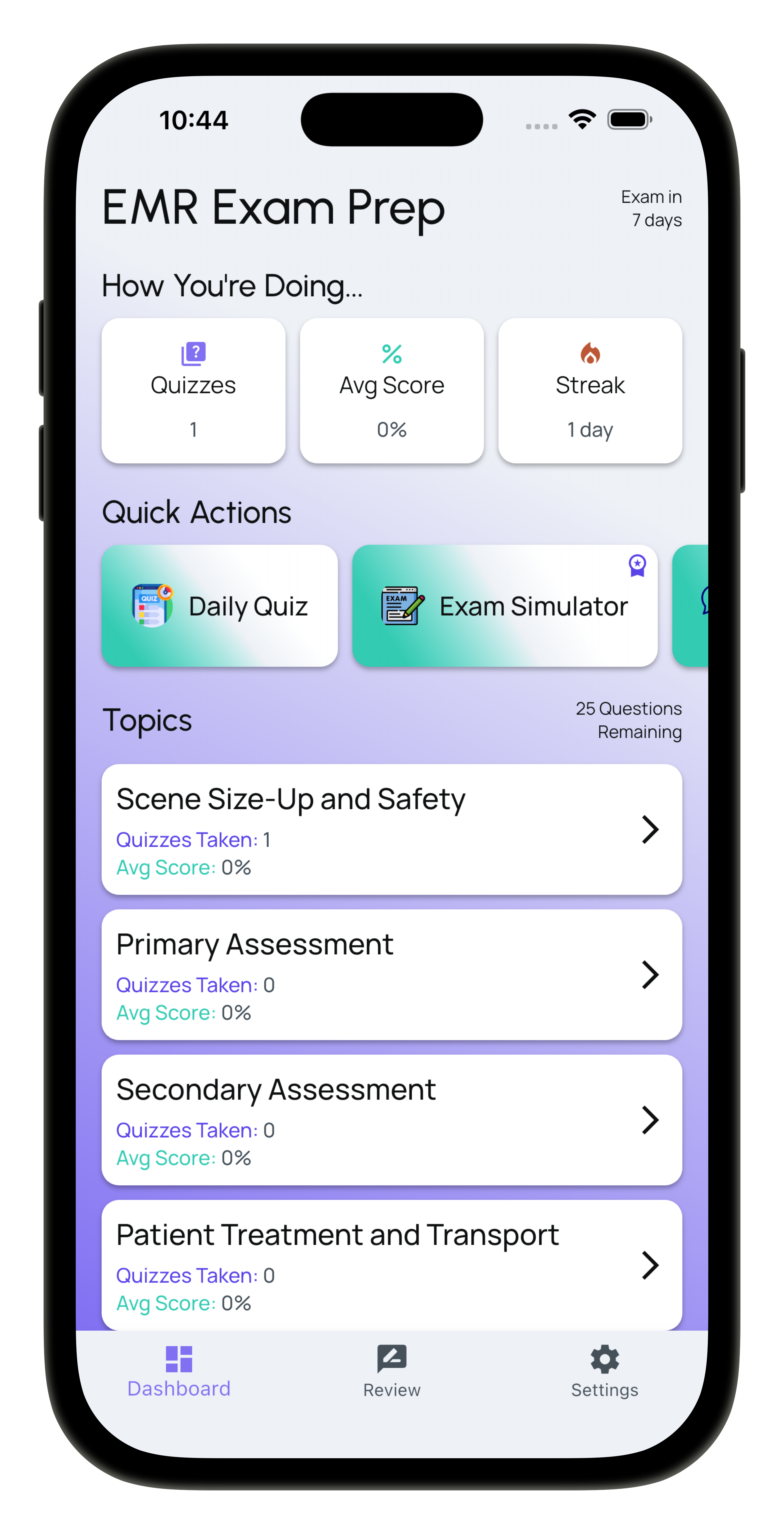
EMR Exam Prep
As an aspiring Emergency Medical Responder (EMR), it’s crucial to have a firm grasp on your scope of practice and the legal considerations that come with the role. Understanding these elements not only enhances your competency in emergency situations but also protects you and the individuals you serve. In this blog post, we’ll break down basic emergency medical concepts and skills, provide practical training tips, illustrate real-world applications, and offer career guidance for new EMRs. We’ll also highlight safety considerations and best practices to ensure that you’re well-prepared for your journey in emergency medical services.
Basic Emergency Medical Concepts and Skills
What is Scope of Practice?
The scope of practice defines the procedures, actions, and processes that an EMR is permitted to undertake. This scope is determined by local and state regulations, as well as the policies of the organization you work for. As an entry-level responder, your focus will primarily be on basic life support (BLS) and first aid skills.
Key Skills for EMRs
-
Patient Assessment: Learn how to systematically assess a patient’s condition. This includes checking responsiveness, airway, breathing, circulation, and any injuries or medical history that may affect care.
-
Basic Life Support (BLS): Familiarize yourself with CPR techniques, use of an Automated External Defibrillator (AED), and how to manage choking situations.
-
First Aid Procedures: Understand how to control bleeding, treat shock, manage fractures, and provide care for burns and other injuries.
-
Communication: Effective communication with patients, bystanders, and other emergency personnel is essential. Practice clear, concise reporting to ensure the continuity of care.
-
Documentation: Keep accurate records of the care you provide, as this information is critical for ongoing patient management and legal protection.
Practical Training and Study Tips
Utilize EMR Exam Prep Resources
To prepare for your certification and enhance your knowledge, leverage the study materials and practice questions available through EMR Exam Prep. Here are some actionable training tips:
-
Set a Study Schedule: Break down your study materials into manageable sections. Aim to cover a topic each day, and set aside time for review and practice tests.
-
Engage in Hands-On Training: Seek out local training sessions or volunteer opportunities with EMS organizations. Real-life practice will reinforce your skills and build your confidence.
-
Form Study Groups: Collaborate with fellow EMR students. Discussing concepts with peers can deepen your understanding and make studying more enjoyable.
-
Practice Scenario-Based Questions: Familiarize yourself with practical scenarios that you might encounter in the field. EMR Exam Prep’s practice questions can help you think critically about how to apply your knowledge in real situations.
Real-World Application Examples
Scenario 1: Patient with Chest Pain
Imagine you arrive on the scene to find a 50-year-old man experiencing severe chest pain. Your assessment reveals he is conscious but anxious, with a history of heart disease.
- Action Steps:
- Ensure the patient is in a comfortable position.
- Administer oxygen if available and the patient is in distress.
- Monitor vital signs and prepare to provide CPR if he becomes unresponsive.
- Communicate with EMS personnel upon their arrival, providing them with a clear report of your findings and interventions.
Scenario 2: Child with a Severe Burn
You respond to a call about a child who accidentally spilled hot water on themselves.
- Action Steps:
- Assess the extent of the burn and determine if it is a critical situation.
- If the burn is minor, cool it with running water for at least 10 minutes.
- Cover the burn with a sterile dressing and reassure the child while waiting for further medical assistance.
- Document the incident thoroughly, noting the time, nature of the burn, and any actions taken.
Career Guidance for New EMRs
Starting your career as an EMR can be both exciting and daunting. Here are some tips to help you thrive:
-
Network: Connect with established professionals in the EMS community. Attend workshops, seminars, and local EMS events to build relationships and learn from experienced responders.
-
Consider Further Education: After gaining some experience, consider advancing your training to EMT or Paramedic levels. This not only broadens your skill set but can also enhance your career prospects.
-
Stay Informed: EMS is an ever-evolving field. Regularly update your knowledge on best practices, legal requirements, and new technologies to stay ahead.
-
Volunteer: If possible, volunteer with local EMS services or community programs. This hands-on experience is invaluable and helps build your resume.
Safety Considerations and Best Practices
Safety is paramount in emergency medical response. Here are some essential safety considerations to keep in mind:
-
Personal Protective Equipment (PPE): Always wear appropriate PPE, including gloves and masks, when providing care to minimize exposure to bloodborne pathogens.
-
Scene Safety: Before approaching a scene, ensure it’s safe. Look for potential hazards such as traffic, fire, or unstable structures.
-
Follow Protocols: Adhere to local protocols and guidelines. These are in place to protect you, the patient, and bystanders.
-
Manage Stress: Emergency medical response can be stressful. Practice stress management techniques such as deep breathing, and debrief with colleagues after particularly challenging calls.
Conclusion
Understanding your scope of practice and the legal considerations that accompany your role as an EMR is essential for providing safe and effective care. By focusing on foundational emergency medical skills, leveraging training resources like EMR Exam Prep, and staying informed about best practices and legal policies, you can set yourself up for success in your EMS journey.
Remember, every responder was once a beginner, and your commitment to learning and improving will make a significant difference in the lives of those you serve. Stay safe, stay prepared, and continue to build your skills as you embark on this rewarding career path!
Starting your EMR certification journey? Try EMR Exam Prep for practice questions and study materials designed to help you succeed as an Emergency Medical Responder.